
Last updated October 17, 2026
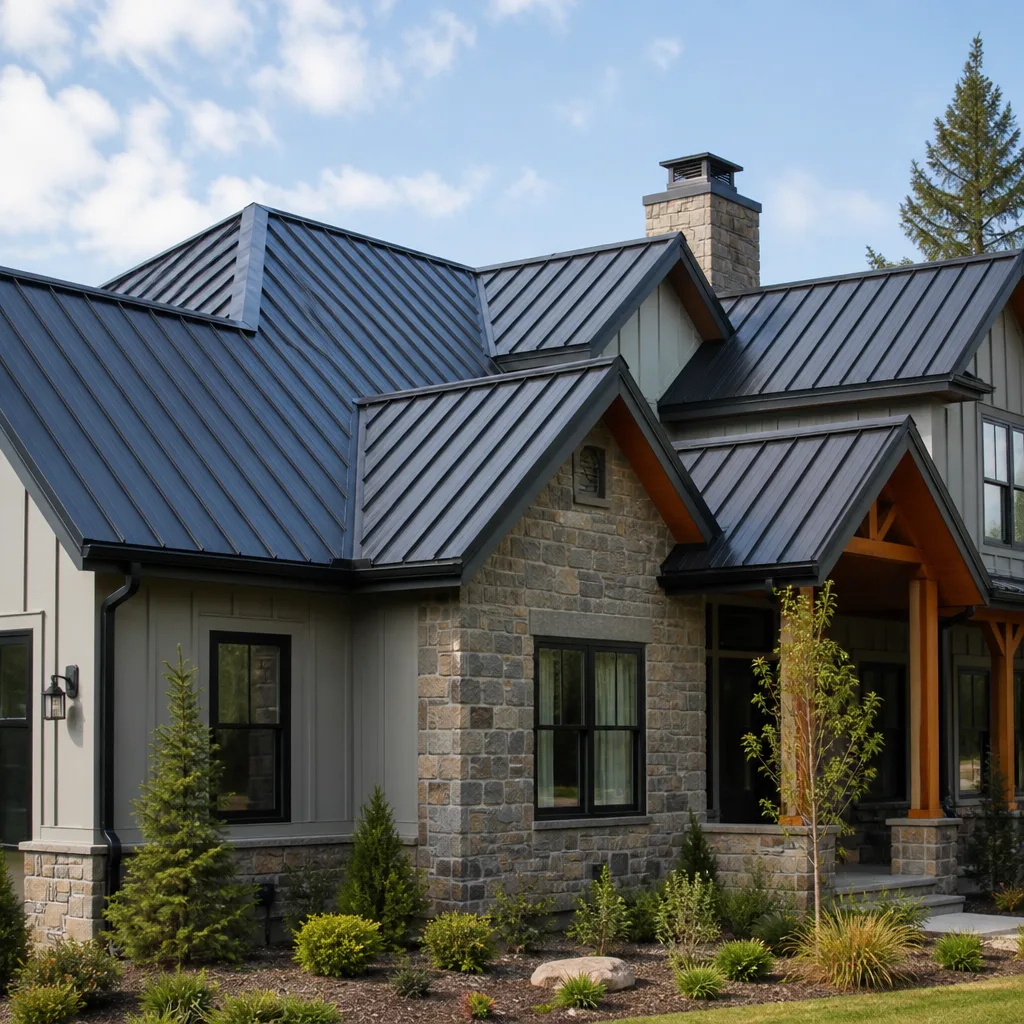 Metal roofing
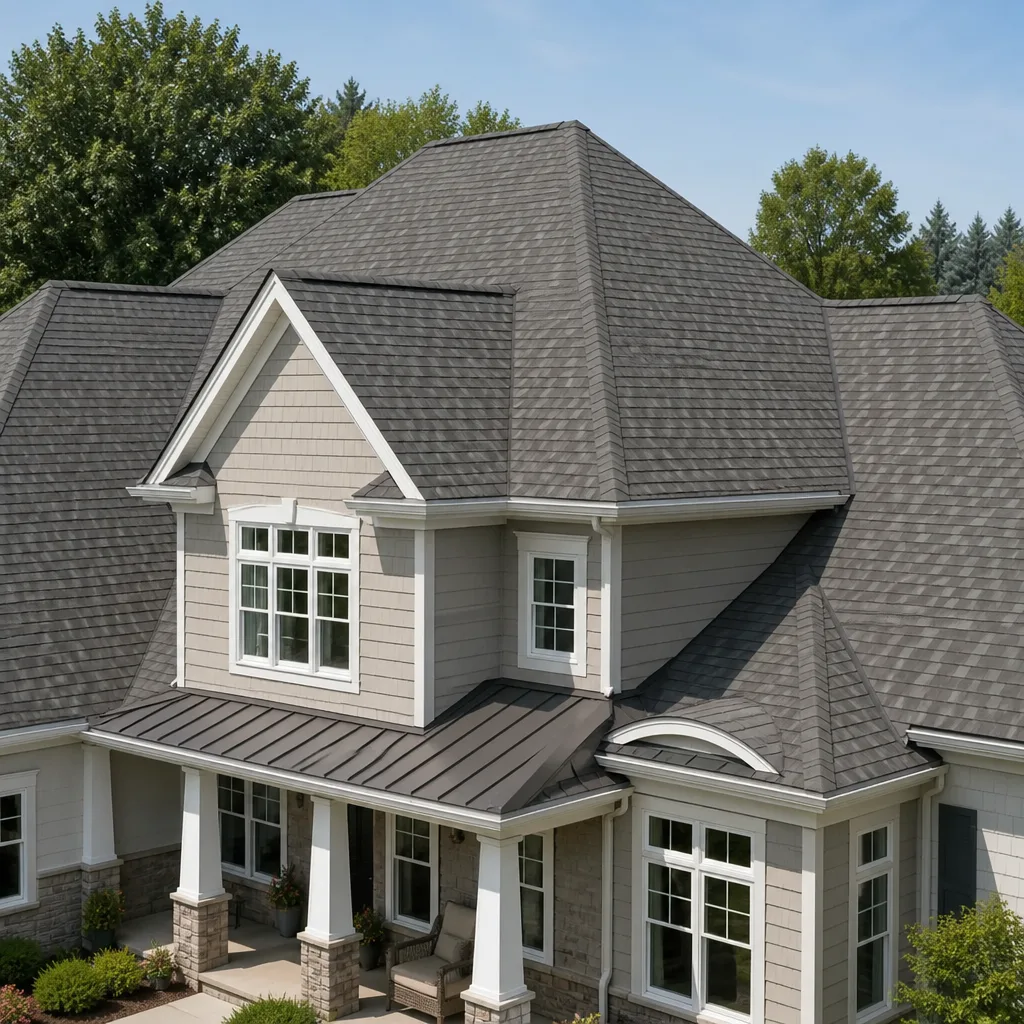
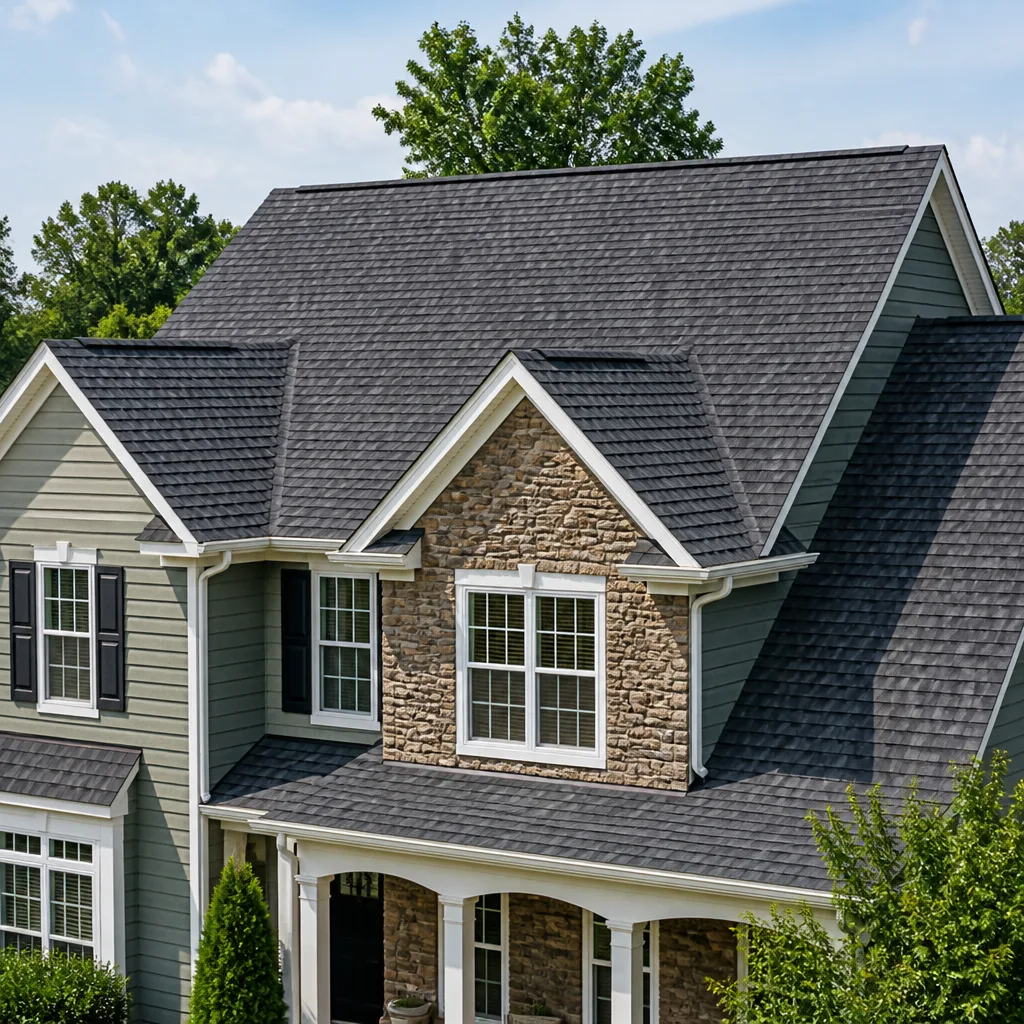 Architectural shingles
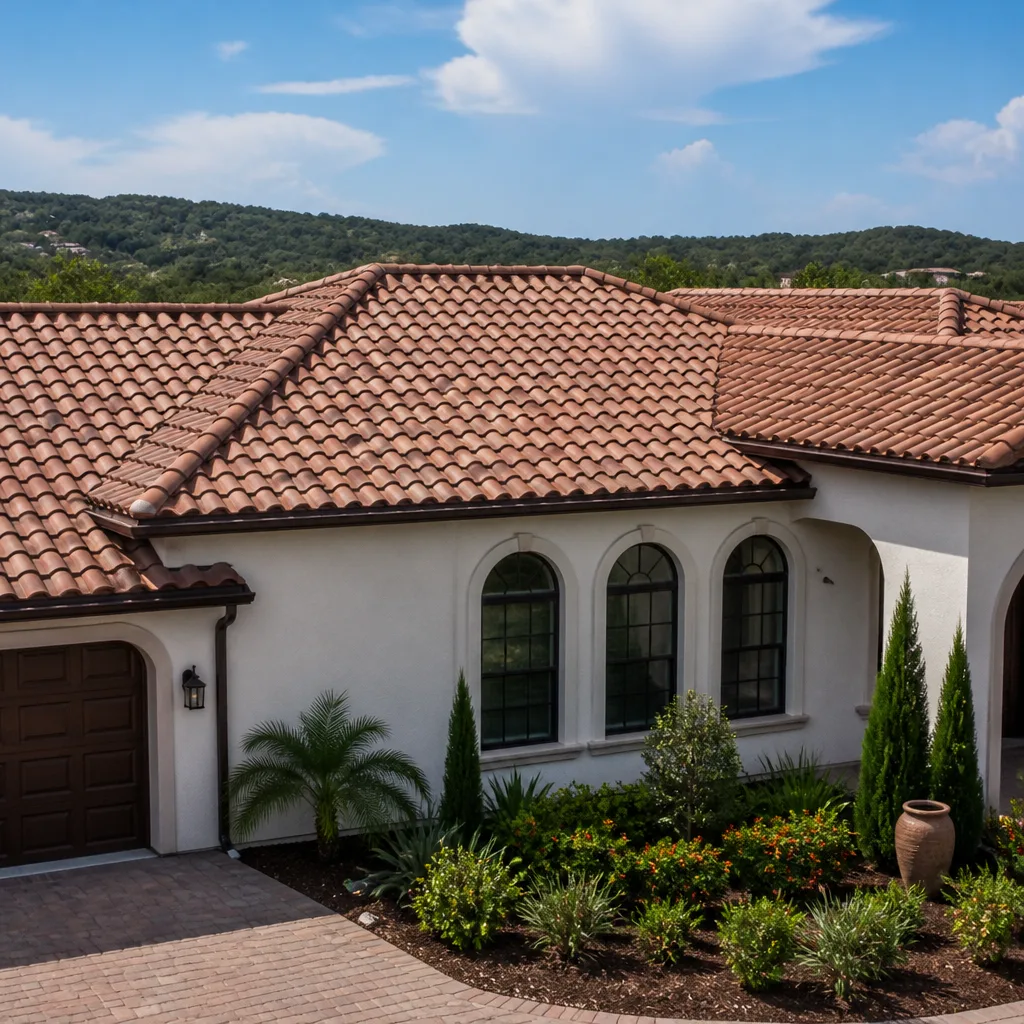 Tile roofing
 GAF
GAF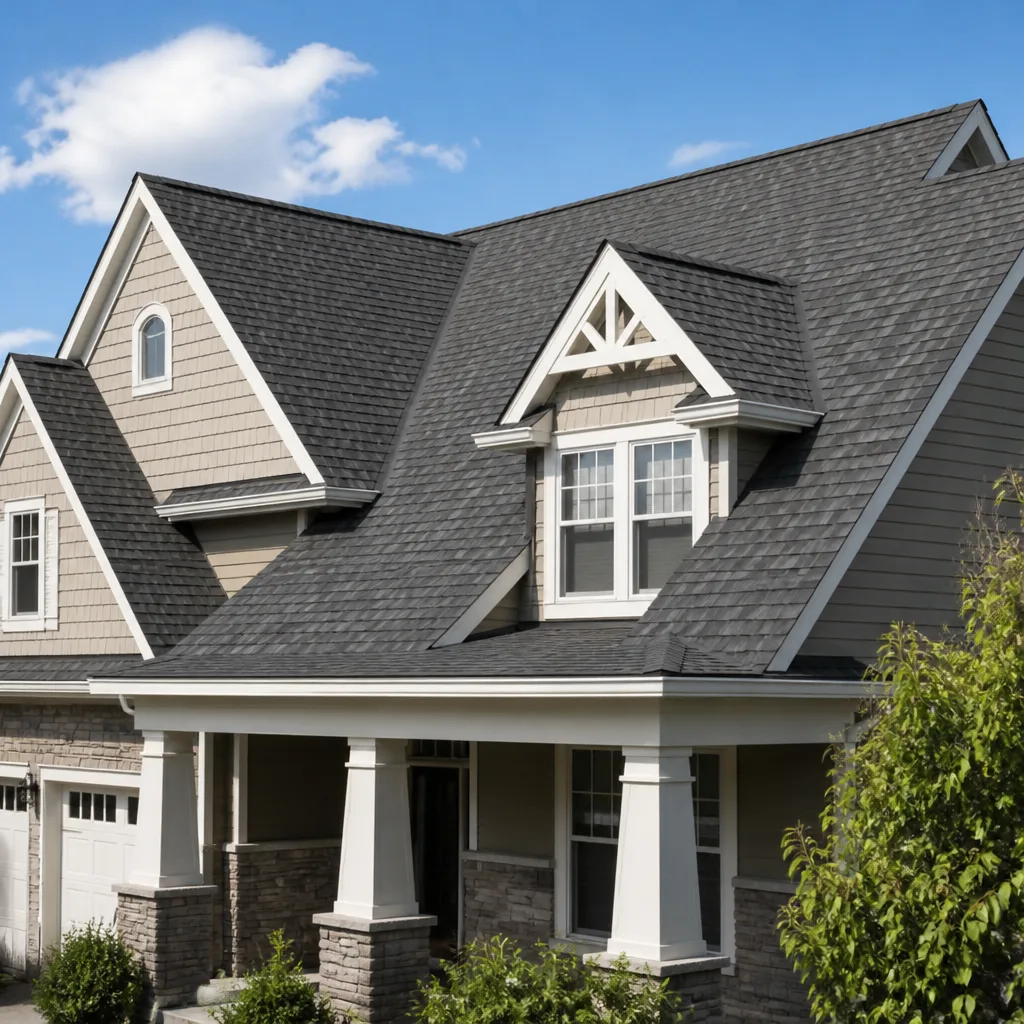 Owens Corning
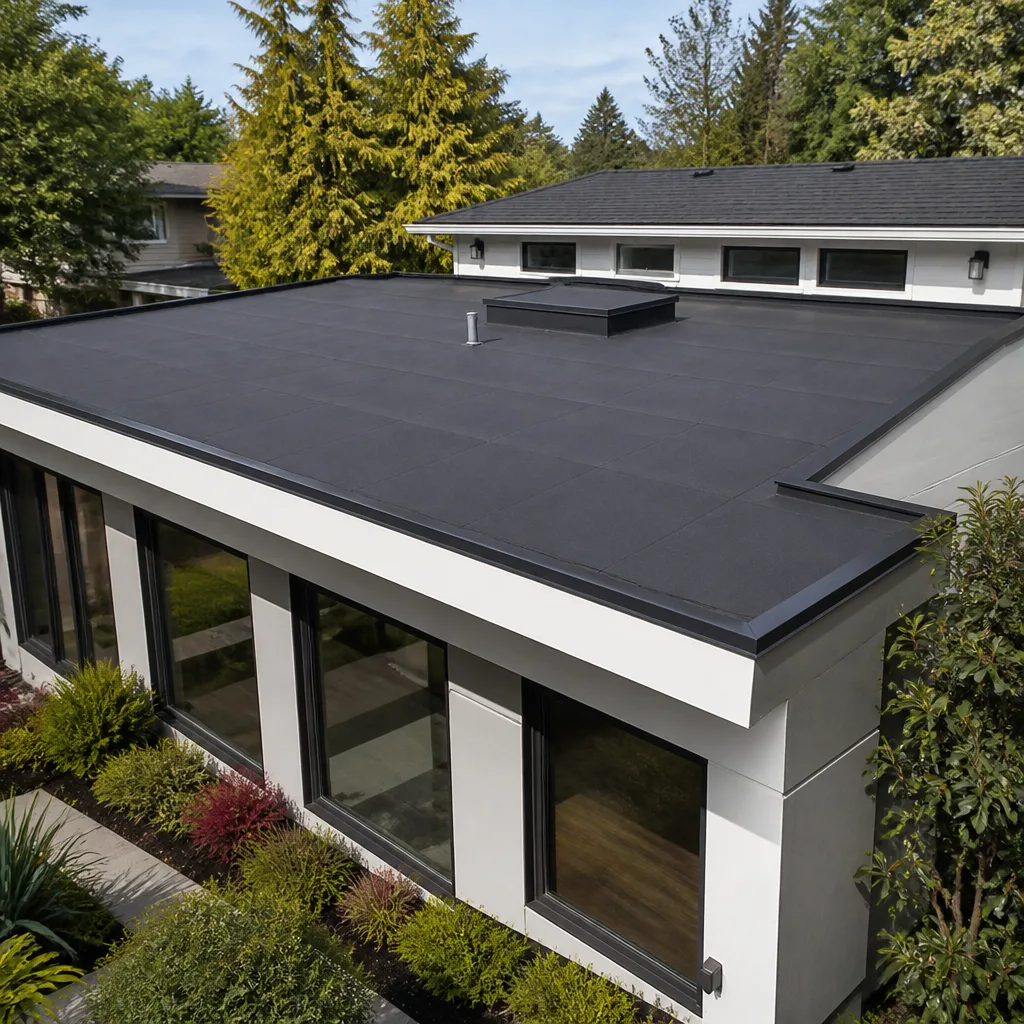 Flat & low-slope
Free roof inspection with deck photos before we talk money - GAF and Owens Corning certified installation
Roofing Cost Breakdown: The Austin Homeowner’s Reference for 2026
Two Austin homeowners on the same street, with the same 2,400-square-foot roof, recently received bids of $9,400 and $16,800 for what both contractors called “a standard architectural shingle re-roof.” The gap wasn’t profit margin. It was six line items one contractor included and the other didn’t mention until problems arose mid-job. This guide breaks down every cost category in a 2026 Austin roofing bid, using real market ranges we see daily across neighborhoods like Allandale, Circle C, and Mueller. For seasonal roofing care for Austin: a year-round homeowner’s guide, see our related resource. You’ll learn how to read a roofing bid the way a contractor does, so the number you approve is the number you actually pay.
Quick Answer
Roof replacement in Austin in 2026 typically runs $9,000 to $20,000 for a standard single-family home, with most architectural shingle re-roofs landing between $12,000 and $16,000. The range reflects shingle grade, roof pitch, decking condition, and whether the bid includes permits, disposal, and underlayment upgrades. A full tear-off costs more than an overlay, and Austin’s labor rates run 8 to 15 percent above the Texas average.
Styles & brands we work with
Table of Contents
- Austin Roofing Labor and Materials: What Actually Drives the Number
- The Line-Item Breakdown: 2026 Austin Market Ranges
- Permits, Inspections, and Hidden Decking Damage in Austin
- Material Tiers and the 10-Year Cost Math in Austin’s Hail Corridor
- Written Bid vs. Vague Estimate: Language That Signals Trouble
- Why Some Austin Roofs Cost More: Pitch, Stories, and Staging
- Common Mistakes to Avoid
- When to Call a Professional
- Frequently Asked Questions
Austin Roofing Labor and Materials: What Actually Drives the Number
Most Austin roofing bids combine labor, materials, disposal, and overhead into a single “per square” price. A square is 100 square feet of roof area. In 2026, the all-in cost for a tear-off and architectural shingle re-roof in Austin runs $450 to $650 per square. Labor alone accounts for roughly 60 percent of that figure. Materials account for about 30 percent. The remaining 10 percent covers disposal, permits, and the contractor’s overhead.
Why does Austin labor run 8 to 15 percent above the Texas average? Three reasons. First, Austin’s cost of living pushes wages for skilled roofers higher than San Antonio or Waco. Second, the city’s building code enforcement is strict, which adds time to every job. Third, Austin’s summer heat limits productive working hours. A crew that can roof from sunrise to 6 p.m. in Dallas will stop by 2 p.m. in an Austin July. That compressed window lengthens the job, and labor is billed by the hour or by the day.
When we prepare a roofing company in Austin bid, we always separate labor from materials on paper, even though most homeowners are used to seeing one bundled number. You should ask for the same. If a contractor won’t separate them, you can’t evaluate whether you’re paying $550 per square for shingles that cost $110 per square at the supplier.
The Line-Item Breakdown: 2026 Austin Market Ranges
Here is what a complete Austin roofing bid should show, with 2026 market ranges for each line item. These are prices we see on current jobs across the metro. If a bid you receive falls meaningfully below these ranges, something is missing.
- Shingle material (architectural, 30-year): $110 to $150 per square for the shingles themselves. Brands like GAF, Owens Corning, and Atlas all sit in this band at Austin supply houses.
- Shingle material (Class 4 impact-resistant, 50-year): $180 to $260 per square. The jump reflects the polymer-modified asphalt and the insurance discount these shingles often trigger.
- Synthetic underlayment: $18 to $35 per square installed. It replaced felt paper as the Austin standard because it holds up better during the exposed weeks between tear-off and shingle install, and it doesn’t wrinkle in heat.
- Felt underlayment (budget option): $8 to $14 per square installed. Legal and functional, but it tears more easily during installation and won’t last as long if shingles blow off in a storm before repair.
- Decking replacement: $2.50 to $4.00 per square foot for new plywood or OSB, installed. This only appears if existing decking is rotten or delaminated. Most bids include a per-sheet price for replacement and note that it’s charged only if damage is found.
- Ice-and-water shield: $3.50 to $6.00 per linear foot installed. In Austin, this membrane goes in valleys, around penetrations, and along eaves. Code requires it in specific locations even though Austin’s ice risk is essentially zero; the membrane serves as a water barrier, not just an ice barrier.
- Drip edge: $3 to $5 per linear foot installed. This metal trim prevents water from wicking under the shingle edge at the eave and rake. Austin code requires it, and replacing it is mandatory on a tear-off.
- Ridge cap shingles: $2.50 to $4.00 per linear foot installed. These are specialized shingles, not cut-up field shingles. Cheap bids sometimes use field shingle scraps here; that leaks and looks bad within five years.
- Disposal: $600 to $1,200 for a full tear-off on a 2,400-square-foot roof. The range depends on how many layers are coming off and whether the driveway can fit a roll-off dumpster.
A complete roof installation in Austin bid accounts for every one of these items. When a bid shows only “shingles + labor,” the contractor is either absorbing these costs into a padded square price or planning to add them later as change orders.
Permits, Inspections, and Hidden Decking Damage in Austin
The City of Austin requires a permit for full roof replacements. The permit fee is calculated on project valuation. For a typical $14,000 re-roof, expect the permit to run $200 to $350. The inspection fee is typically included in the permit cost. A legitimate contractor pays this before work begins and passes the exact cost through on the invoice. If a bid doesn’t mention a permit, ask whether one is included. See our detailed guide on Roofing Permits, Codes & Inspections in TX: What You Need to Know. Unpermitted work can complicate a future home sale in Austin, where disclosure requirements are strict.
The bigger risk is decking. Austin homes built before 1985 often have 3/8-inch plywood decking instead of the 7/16-inch or 1/2-inch OSB used today. That thinner decking flexes under foot, and by 2026, much of it is delaminating at the edges from decades of attic heat. Here is the sequence that surprises homeowners:
- The tear-off crew strips shingles and underlayment.
- The decking is exposed for the first time in decades.
- The crew chief finds rotten or delaminated sheets, often around chimneys, valleys, or anywhere a past leak went unnoticed.
- The contractor stops work and calls you with a per-sheet replacement price.
- Those sheets get charged as a change order, on top of the original bid.
This is not a scam. It is what happens when damage is only visible after tear-off. But the way it is handled separates professional roofers from opportunists. A written itemized bid states the per-sheet price upfront, so if three sheets need replacing, the math is already agreed. A vague bid does not, and that is when “supplemental charges” balloon. At Mercer Roofing, we put the per-sheet decking price in writing before any nails are pulled. No surprises on the back end.
Material Tiers and the 10-Year Cost Math in Austin’s Hail Corridor
Austin sits at the southern edge of Texas hail alley. The city has recorded hail events in every month except December, and storms producing one-inch or larger hail arrive roughly every two to three years. That reality changes the math on shingle selection. A 30-year architectural shingle is the Austin default, installed for $12,000 to $16,000 on a typical home. A Class 4 impact-resistant shingle, from a brand like IKO or Tamko, costs $18,000 to $24,000 installed. The upfront gap is real. But the 10-year math looks different.
Consider two scenarios on the same Austin house:
- 30-year architectural shingle: $14,000 installed. Hail damage at year 7 requires a full replacement. Insurance covers $10,000 after depreciation and deductible. Homeowner out-of-pocket: $4,000, plus the original $14,000. Ten-year total: $18,000, plus two insurance claims on record.
- Class 4 impact-resistant shingle: $21,000 installed. Hail strikes at years 3 and 7. Shingles sustain cosmetic dents but no functional damage. No replacement needed. Homeowner’s insurance carrier applies a premium discount of 5 to 30 percent annually in most Austin policies. Ten-year premium savings: typically $1,500 to $4,000. Ten-year total: roughly $17,000 to $19,500, no claims, roof still performing.
The point is not that everyone should buy Class 4. The point is that Austin homeowners should evaluate roof cost over the window that includes the next hailstorm, not the day the check is written. We walk through this math on every roof repair in Austin and replacement estimate, because the cheapest bid is rarely the cheapest roof.
Written Bid vs. Vague Estimate: Language That Signals Trouble
An estimate is a number. A bid is a contract. Austin homeowners who learn the difference before they sign avoid the most common source of roofing disputes. Here is what each one looks like in practice.
A written, itemized bid includes:
- Every line item separated: shingles, underlayment, drip edge, ridge cap, ice-and-water, decking contingency, disposal, permit.
- A per-sheet price for decking replacement, stated before tear-off.
- A defined scope: full tear-off vs. overlay, number of layers being removed, ventilation work included or excluded.
- A payment schedule tied to milestones, not a large upfront deposit.
- A written workmanship warranty with a clear duration, not a verbal promise.
- Contractor’s name, license information, and a physical Austin address.
Watch for vague language that signals post-contract charges. “As needed” without a unit price is a blank check. “Decking repairs as required” without a per-sheet number means you’ll negotiate from a position of no leverage mid-job. “Ventilation improvements recommended” is a way to add $1,500 after work starts. “Standard flashing included” begs the question: which flashing, how many feet, what gauge?
Every Mercer Roofing bid includes the written price before work starts, every time. The 365-Day Done Right Promise backs it: if the work is not right within a year, we make it right. Written guarantee on every repair. Free second visit if a repair fails. This is not a sales pitch; it’s the reason we can hand you a bid and tell you to compare it line by line against anyone else in Austin.
Why Some Austin Roofs Cost More: Pitch, Stories, and Staging
Roof size is only half of the labor equation. Three factors routinely push Austin roofing costs beyond the per-square averages, and legitimate contractors disclose them in the bid while others bury them in the final invoice.
Roof pitch. A roof is classified by how many inches it rises per horizontal foot. A 5/12 pitch is comfortable to walk. A 9/12 or steeper pitch requires fall protection, planks, and slower work. Steep-pitch roofs typically add 15 to 30 percent to labor cost, and some Austin roofing crews simply won’t take them. The Holly Street bungalows and the modern two-story boxes in Mueller both have steep sections that change the math.
Multiple stories. A two-story Austin home means materials go up a ladder, not off the back of a truck. It means tear-off debris comes down a chute or by hand, not pushed directly into the dumpster. Two-story labor adds 10 to 20 percent. Some neighborhoods, like Crestview and Rosedale, have mature oaks overhanging two-story roofs, which adds another wrinkle.
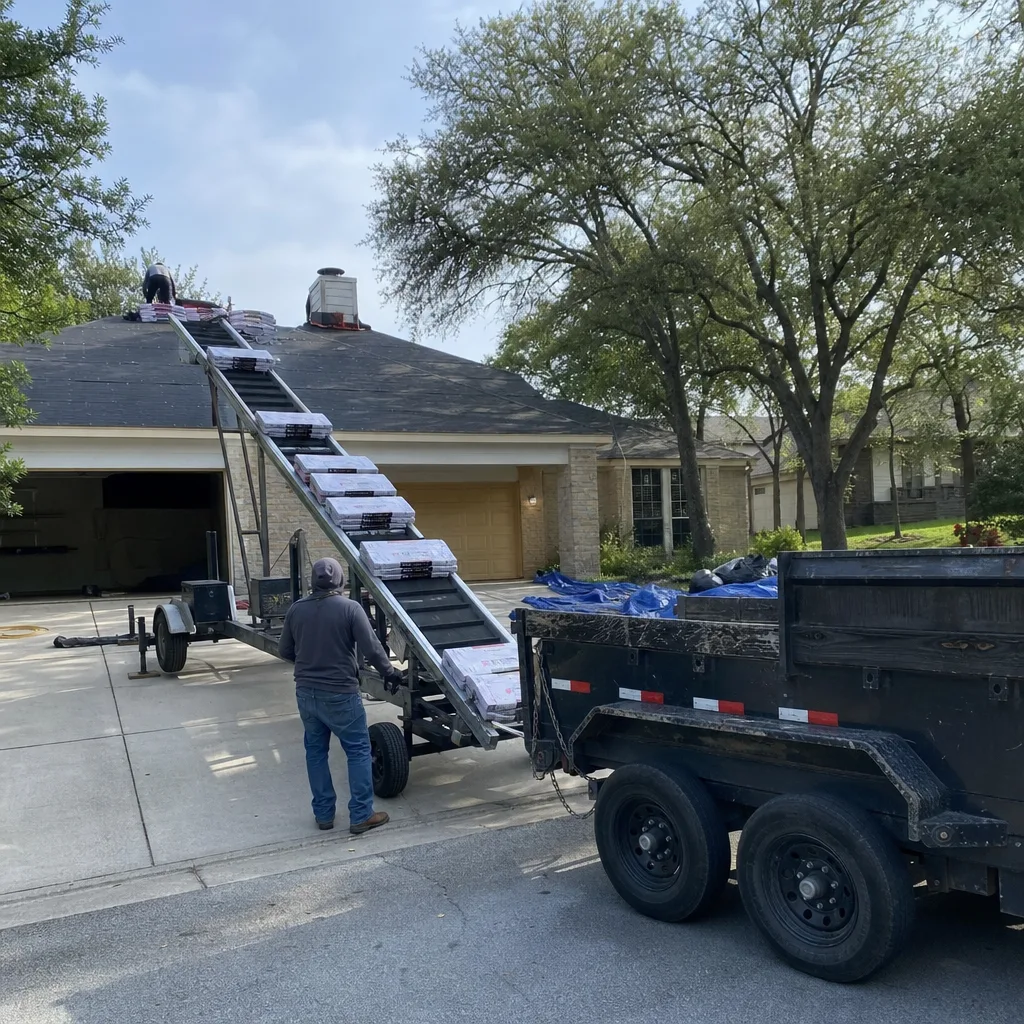
Staging access. Austin’s older neighborhoods have narrow driveways, zero-lot-line setbacks, and protected heritage trees that make it hard to position a dumpster or a materials lift. If a crew is hand-carrying shingles from the street to the roof, labor hours climb. Locked gates, alley access, and HOA restrictions in communities like Steiner Ranch and Lakeway add the same pressure. These are not dishonest upcharges. They are disclosed as “access considerations” in any bid written by someone who has actually walked the property.
If you want a roof estimate, walk the perimeter with the estimator and ask directly: “Does the pitch, story height, or access change this number?” A straight answer is a good sign. A blank look is not.
Common Mistakes to Avoid
- Accepting a bundled number without line items. A single “per square” price makes it impossible to compare bids. Two bids of $550 per square can differ by $3,000 in what they actually include. Demand separation.
- Choosing the lowest bid without checking what’s excluded. Austin’s lowest roofing bids frequently omit permits, drip edge replacement, or disposal. The contractor makes it up in change orders. Get the exclusions in writing.
- Overlooking decking contingency language. If the bid doesn’t state a per-sheet price for decking, assume you’ll pay retail plus markup when the time comes. Negotiate that number before tear-off.
- Signing a contract with a cancellation penalty or large deposit. Austin has reputable roofers who ask for nothing down. A 50 percent deposit before materials arrive is not standard for roof replacement.
- Assuming hail damage will fully cover replacement. Austin insurance policies carry depreciation schedules. A roof at year 15 of a 30-year shingle will not pay out enough for a full replacement at 2026 prices. Factor your out-of-pocket into any decision.
- Picking shingles on curb appeal alone. Color matters, but grade matters more. Ask for the hail rating, the wind rating, and whether the manufacturer certifies the installer. An uncertified install can void the shingle warranty regardless of how much you paid for materials.
- Not asking who exactly will be on the property. A roofing crew is a group of strangers with ladders. At Mercer Roofing, every technician’s name and photo is sent to you before arrival, and every one of them badged at the door. That’s the Threshold Verified standard, and it is non-negotiable.
When to Call a Professional
A roof replacement is not a DIY project. But even for homeowners who plan to hire out, certain situations call for a professional opinion immediately. Granules collecting in Austin gutters after a storm. Curling shingle edges visible from the street. Water stains spreading across a ceiling after a rain. Daylight visible through attic boards. Any of these signals a problem that gets more expensive the longer it waits. If you’re unsure whether a repair or a full replacement is needed, Mercer Roofing Co Austin offers free estimates across the Austin metro. Call (361) 202-8874 and a live person answers, 24/7. Not a voicemail. Not a callback form. A human being who can schedule a walk-through and put a written price in your hand before any work begins.
Frequently Asked Questions
Austin roof replacement in 2026 runs $9,000 to $20,000 for most single-family homes, with architectural shingle tear-offs averaging $12,000 to $16,000. The range is driven by roof size, pitch, shingle grade, decking condition, and access. Browse more guides & resources or call (361) 202-8874 for a free itemized estimate on your specific roof.
A fair Austin bid includes separated line items for shingles, underlayment, drip edge, ridge cap, ice-and-water shield, decking contingency with a per-sheet price, disposal, and permits. It also includes a written workmanship warranty and a defined scope. Anything less invites mid-job change orders.
It should not, except for decking replacement, which is only visible after tear-off. A professional bid states the per-sheet decking price upfront so any additional cost is calculated from an agreed number. At Mercer Roofing, the written price is provided before any work starts, and our 365-Day Done Right Promise backs the finished job.
Yes. Mercer Roofing pulls all required City of Austin permits and passes the exact fee through on the invoice. Unpermitted roof work can complicate a future home sale and may not meet Austin’s stringent code requirements. The permit cost for a typical re-roof runs $200 to $350 based on project valuation.
A standard architectural shingle tear-off and replacement on an Austin single-family home takes one to two days once materials are on-site. Steep pitches, two-story homes, and limited staging access can extend that to three or four days. Austin’s summer heat limits work hours, which is factored into scheduling.
For many Austin homeowners, yes. Class 4 shingles survive hail that would destroy a standard architectural shingle, and Austin sits in a hail corridor with storms every two to three years. The upfront premium of $6,000 to $8,000 is often offset within ten years by avoided replacements and insurance premium discounts. The right call depends on your specific roof and insurance policy. Call (361) 202-8874 to run the numbers on your home.
The Bottom Line
Austin roofing bids look confusing because contractors bundle dissimilar costs into one number. Unbundle them and the confusion disappears. Know your shingle grade, your decking contingency price, your permit fee, and your disposal cost. Demand a written, itemized bid with a workmanship warranty in writing. Evaluate material choices over ten years, not on install day. And when the crew arrives, know exactly who is walking up your driveway, because the company you hire sends that information before they show up. That’s how Mercer Roofing Co Austin operates on every job, and it’s the standard Austin homeowners should expect from any roofer they let on the property.
Written by Grant Whitlock, Owner at Mercer Roofing Co Austin, serving Austin since 2000.
See the difference
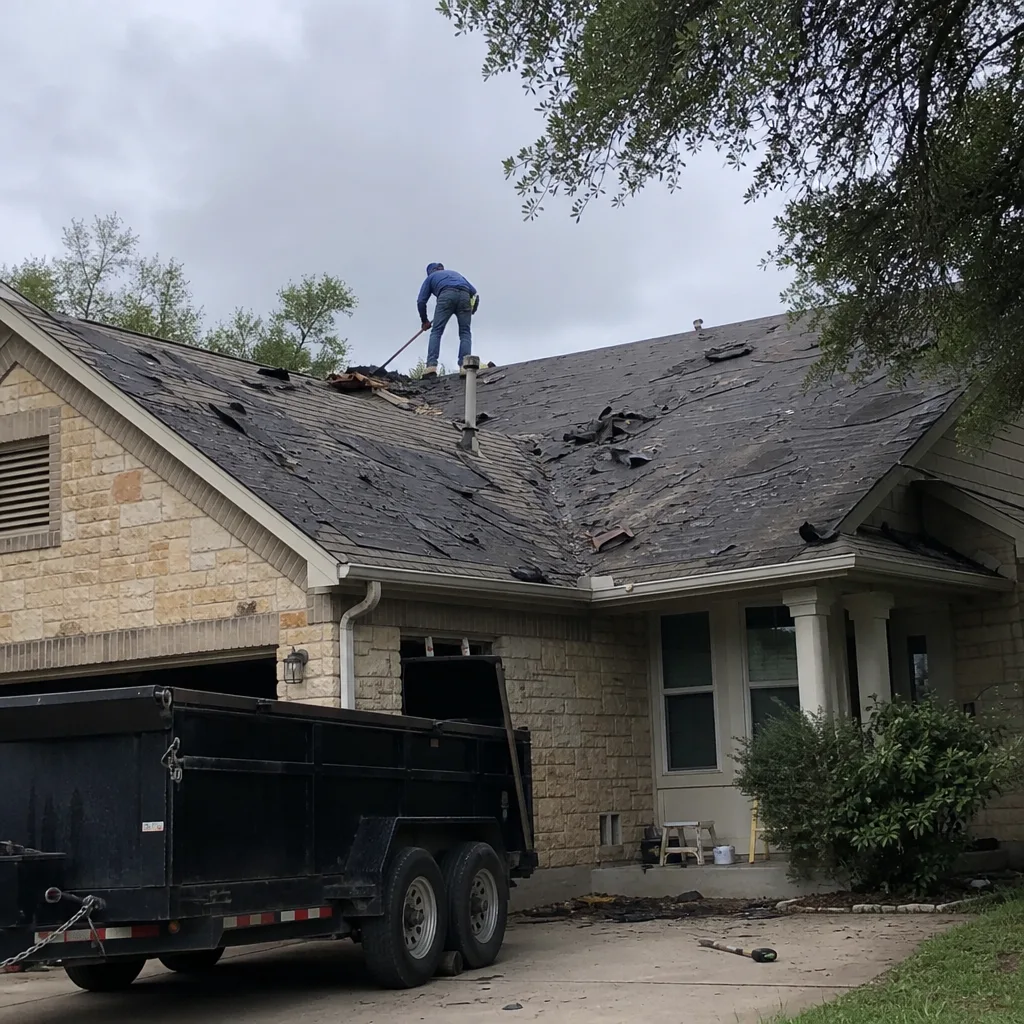 Before
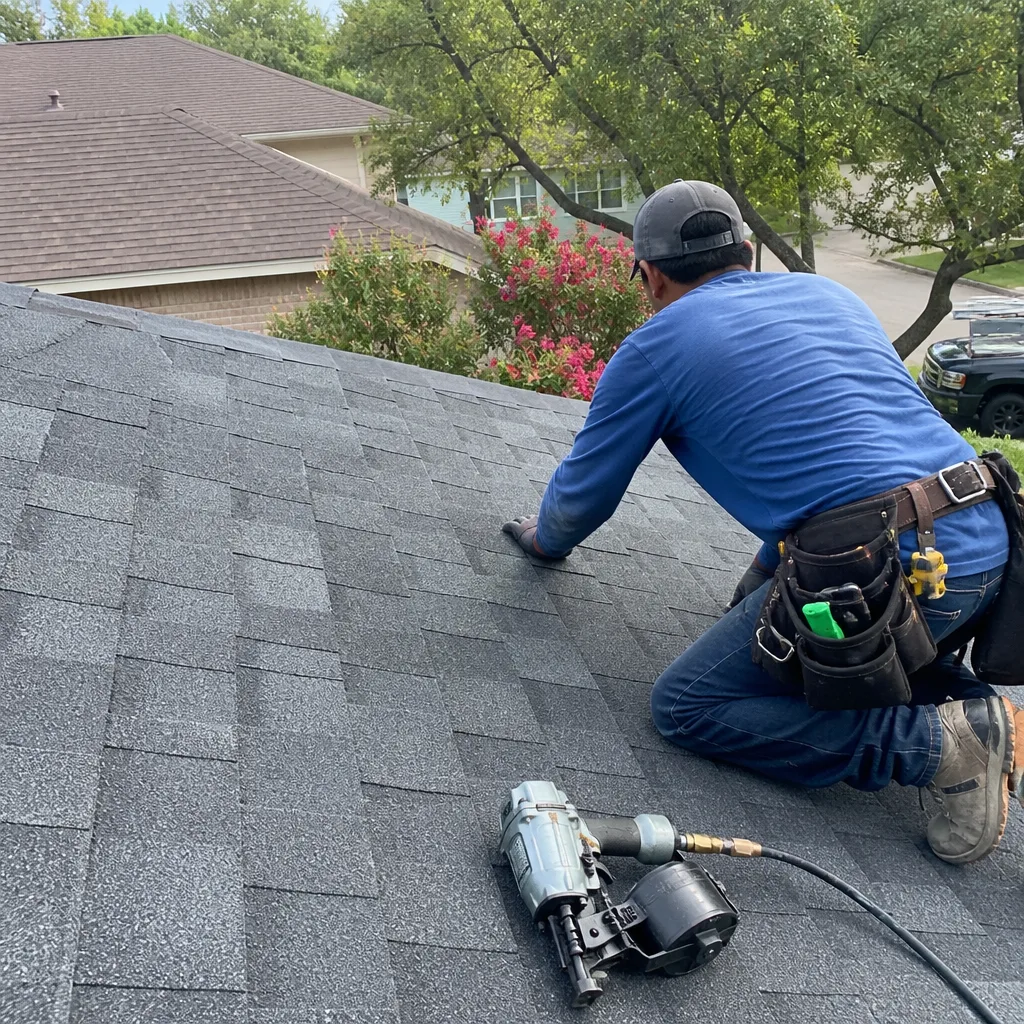 After
After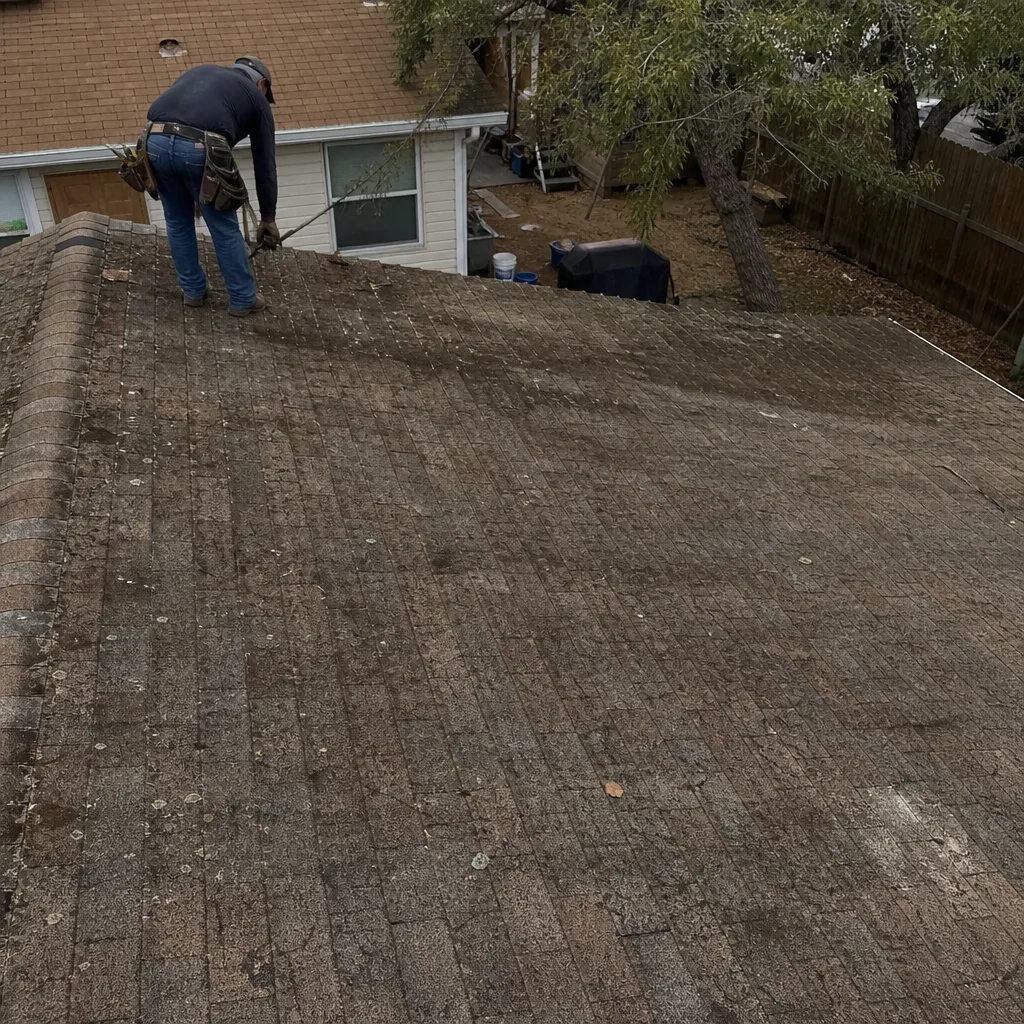 Before
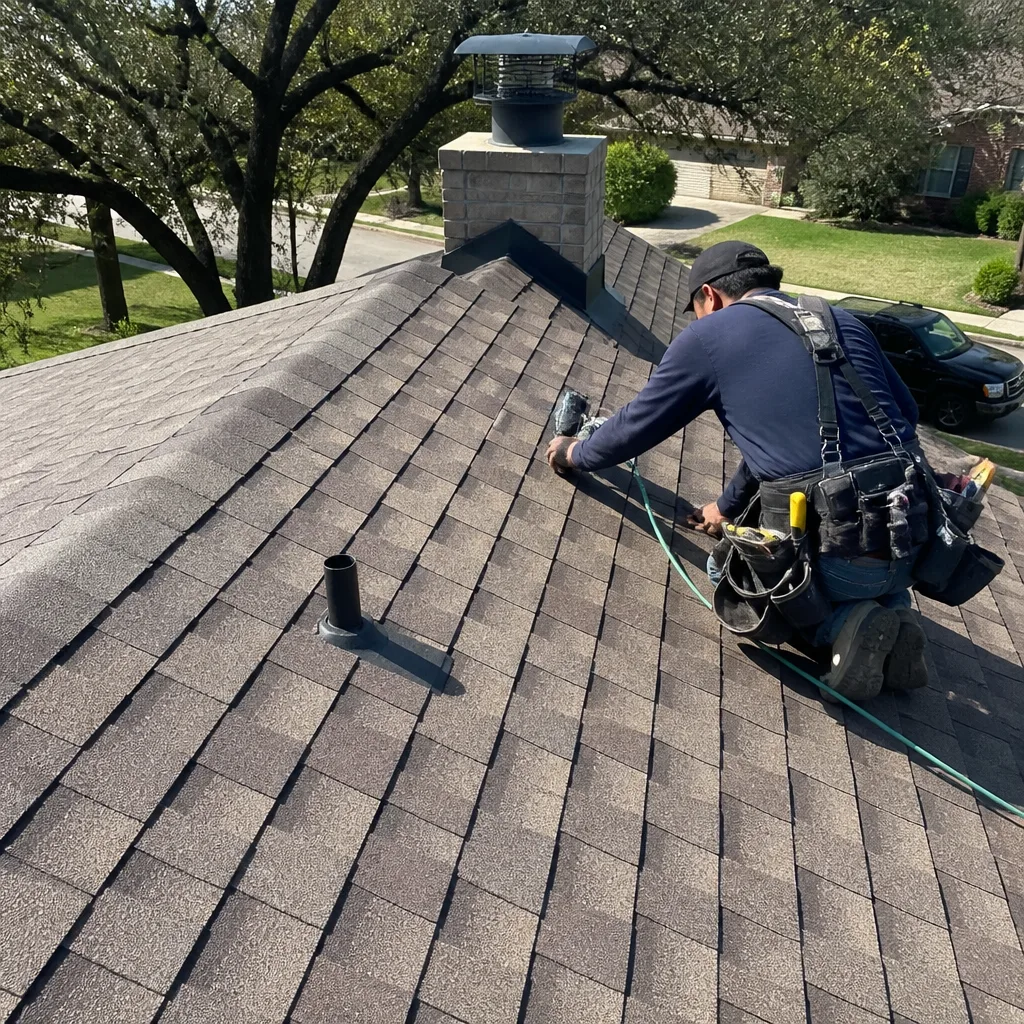 After
After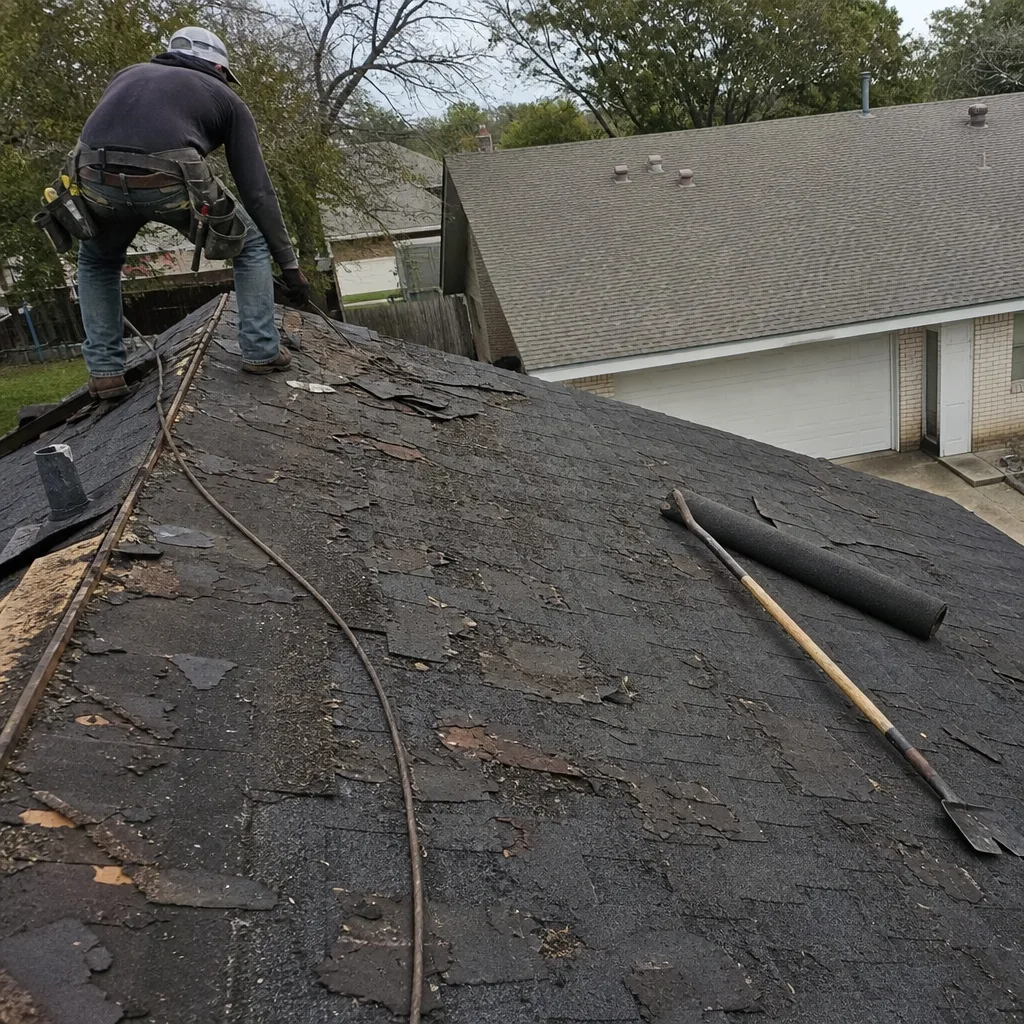 Before
 After
After