
 Metal roofing
 Architectural shingles
 Tile roofing
 GAF
GAF Owens Corning
 Flat & low-slope
Free roof inspection with deck photos before we talk money - GAF and Owens Corning certified installation
Atlas Ridge Vent Installation: The Austin Owner’s Guide
Atlas ridge vent installation in Austin typically runs $12 to $18 per linear foot installed, which puts most single-family homes between $480 and $900 for a complete replacement using Atlas-compatible vent material. We stock Atlas-pattern ridge vents on our trucks and can usually complete the swap the same day we arrive. Most Austin homeowners discover the problem after a hailstorm, when they notice granules from the vent baffle scattered in the gutter, or when attic temperatures climb and the AC starts running longer than it should.
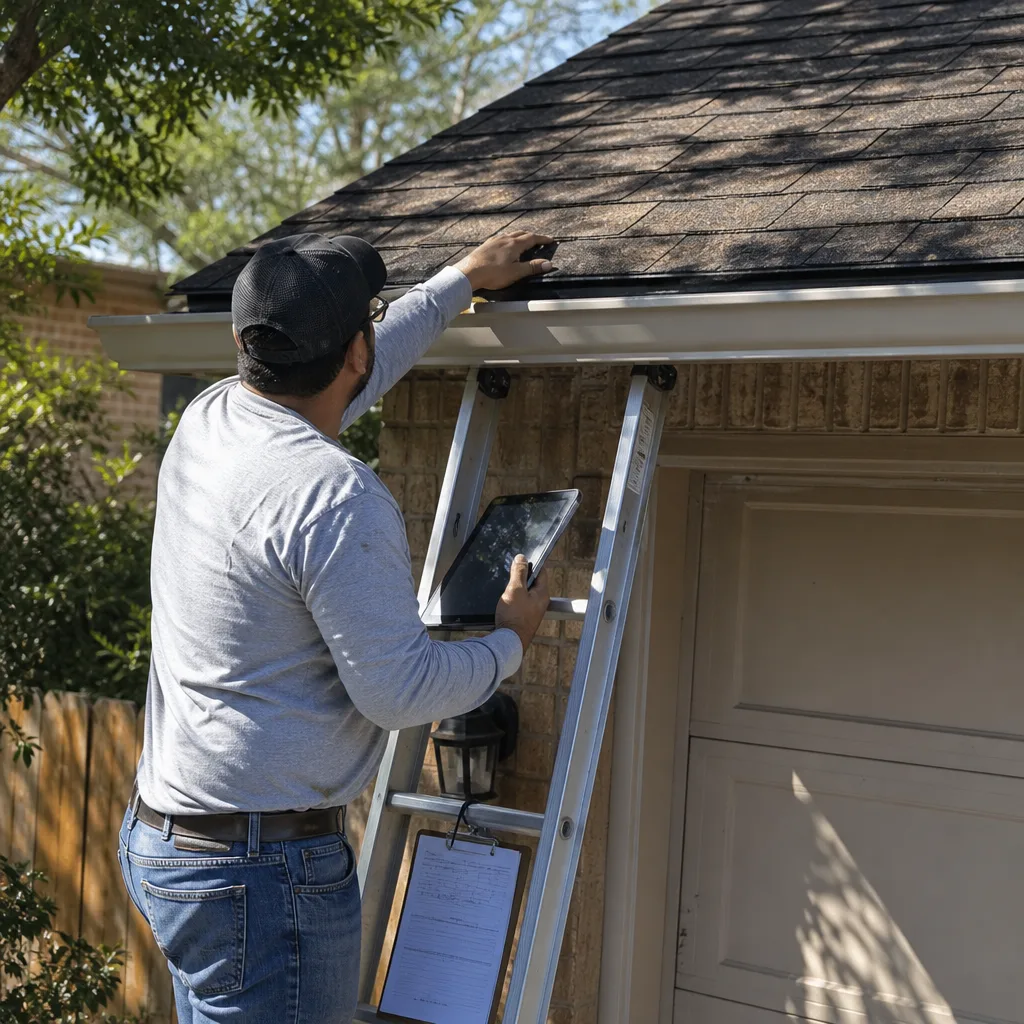
Ridge vents are the quiet workhorse of your roof’s ventilation system. When yours fails, the attic stops breathing, and that’s when heat and moisture start causing problems you can’t see from the street. Grant Whitlock has pulled more failed plastic ridge vents off Texas roofs than he cares to count, and the story is usually the same: UV exposure baked the plastic brittle, hail finished the job, and now the attic is cooking.
Here’s what you need to know about getting yours fixed in Austin, without the guesswork.
Which Atlas Models This Applies To
Atlas makes several ridge vent lines, and compatibility matters more than most roofers admit. The Atlas 4-foot plastic ridge vent is the most common we see in Austin subdivisions built after 2005. It mates with Atlas shingles but works with other architectural shingle brands too. The Atlas rolled ridge vent (sometimes called the Atlas Cobra or Atlas continuous vent, depending on vintage) fits lower-slope roofs and comes in 20-foot rolls. If your home has the older Atlas aluminum ridge vent, you’ll want a direct replacement rather than a plastic swap, because the nail flange spacing doesn’t line up the same way.
Here’s the gotcha most homeowners miss: if you don’t know which vent you have, check the attic side. Atlas stamps their part number on the underside of the vent material, usually near the butt end or along the nailing flange. You’ll see something like “ARV-4” or “Atlas 4FT RV” printed in small raised lettering. If the vent is so weathered the stamp is gone, measure the width. Atlas 4-foot sections run 11-1/4 inches wide; the rolled version runs 10-1/2 inches. That quarter-inch difference tells you which replacement you need.
We’re an independent installer, not affiliated with Atlas. That means we’re free to tell you when an aftermarket equivalent makes sense (most of the time, on plastic vents) and when it doesn’t (almost never on the aluminum line). We also carry GAF, Owens Corning, and CertainTeed vent patterns, so if your roof has mixed materials from a previous repair, we can match what’s actually up there.
Styles & brands we work with
Signs Your Atlas Ridge Vent Installation Is Failing
- Plastic baffle fragments in the gutter or yard. This is the classic Austin hail signature. The vent material gets brittle from UV exposure after 8 to 12 Texas summers, then hail shatters the exposed edges. If you see gray or black plastic shards in the gutter, the vent is already compromised.
- Attic temperature climbing even on mild days. A properly vented Austin attic stays within 10 to 15 degrees of outside temperature. If yours is hot enough to make you sweat within 10 seconds of popping the hatch, the ridge vent isn’t moving air. Failed plastic vents collapse inward, sealing off the airflow slot.
- Damp or musty smell upstairs. Ridge vents do double duty: heat out, moisture out. When the vent fails, humidity from showers and laundry pools in the attic. In Austin’s humid months, that shows up fast as a stale smell in upstairs bedrooms.
- Visible warping or sagging along the ridge line. Walk to the street and look at the peak of your roof. A healthy ridge vent runs straight and level. If it looks wavy, lifted, or sunken in spots, the vent has lost structural integrity and wind is getting underneath it.
- Shingle granule buildup at the downspouts. Some granule loss is normal. But if the ridge line is shedding while the rest of the roof looks stable, the vent’s movement is grinding against the shingles. That’s friction wear, and it only gets worse in high winds.
See the difference
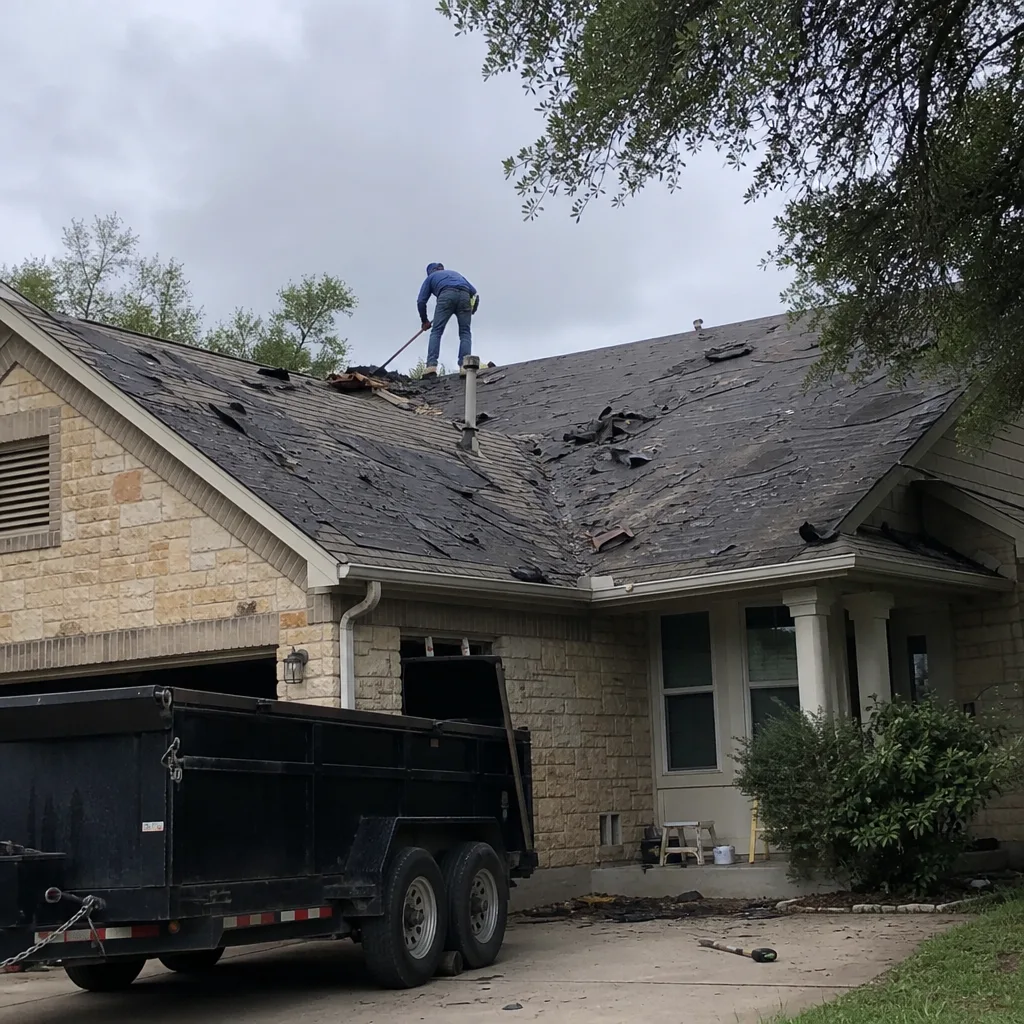 Before
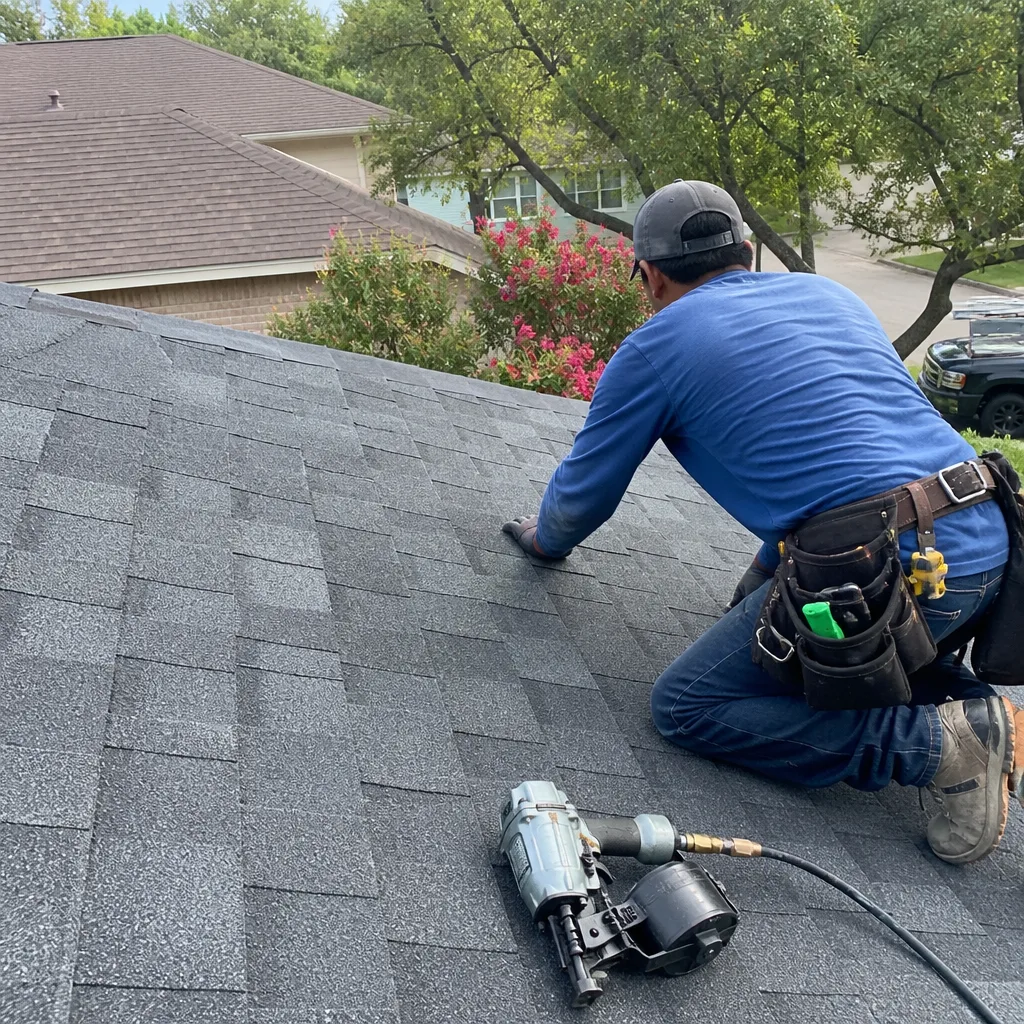 After
After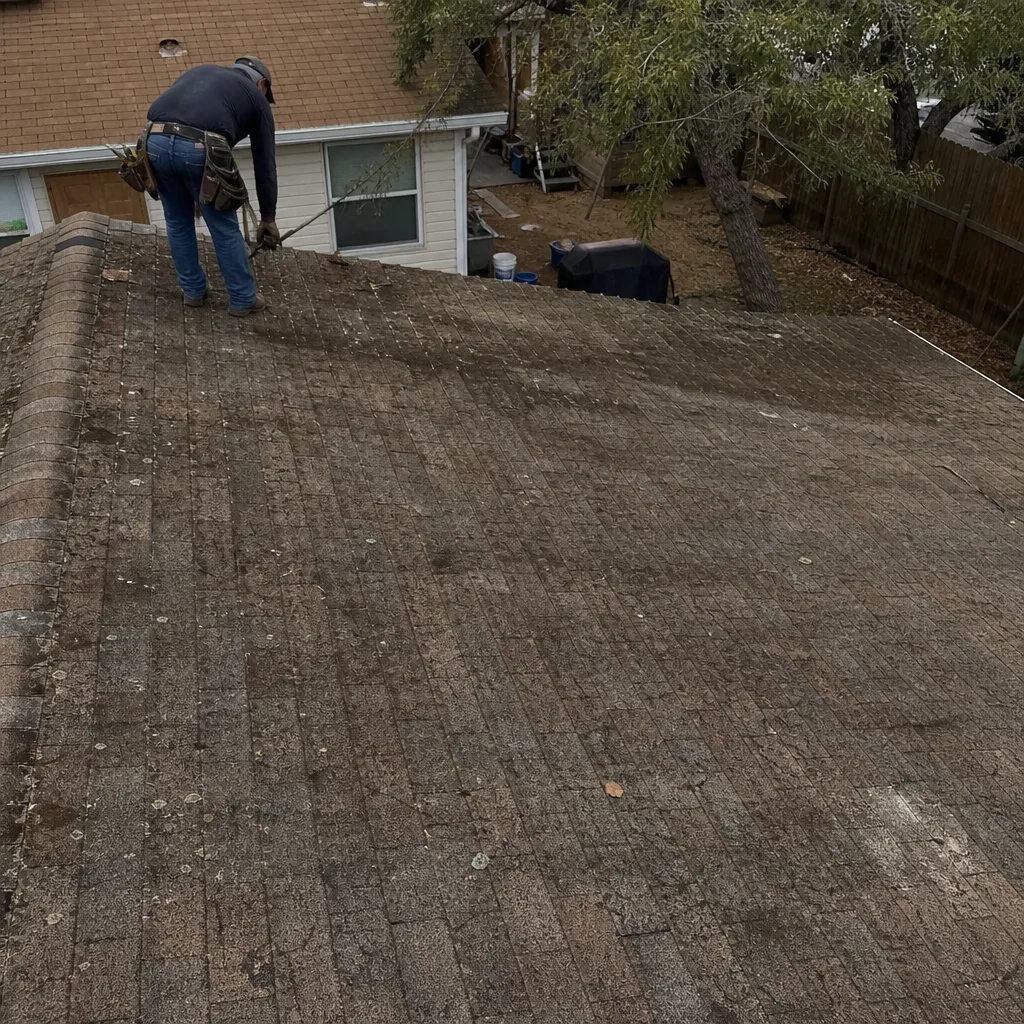 Before
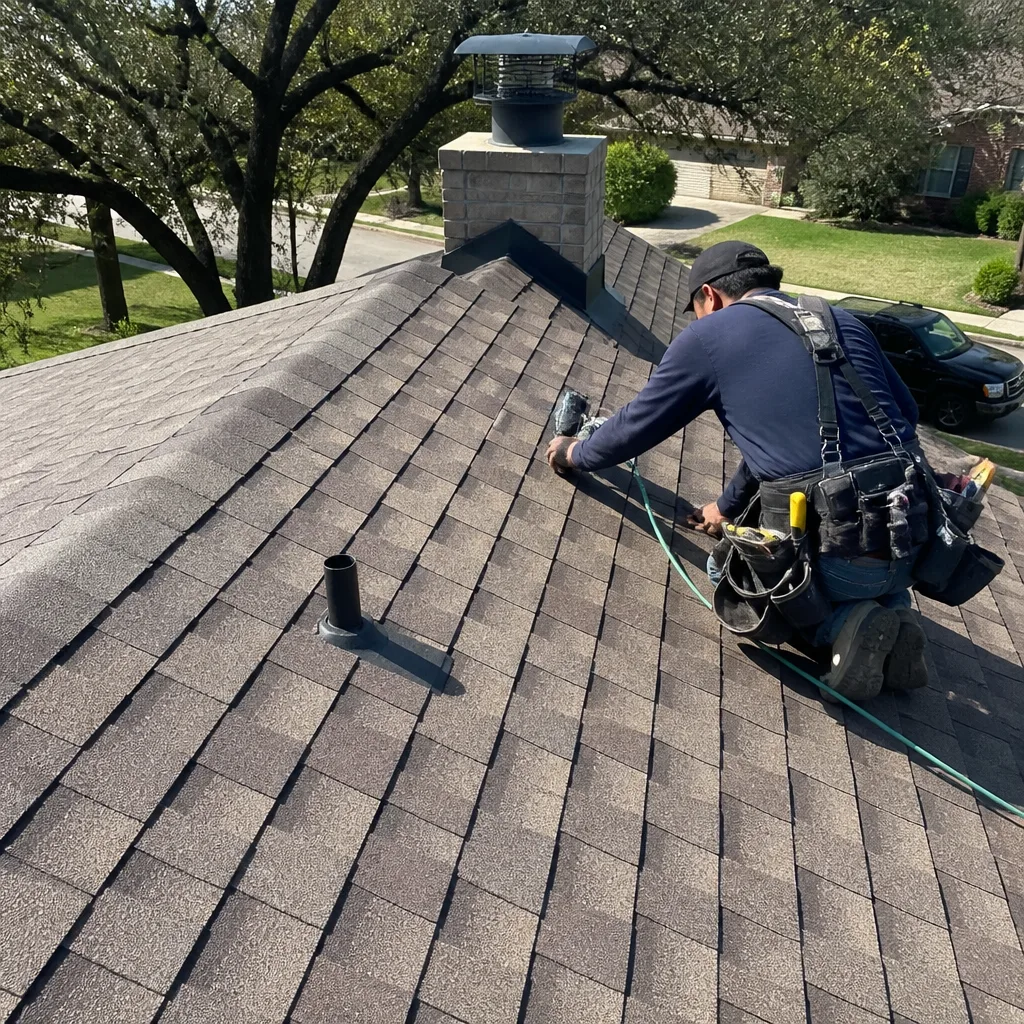 After
After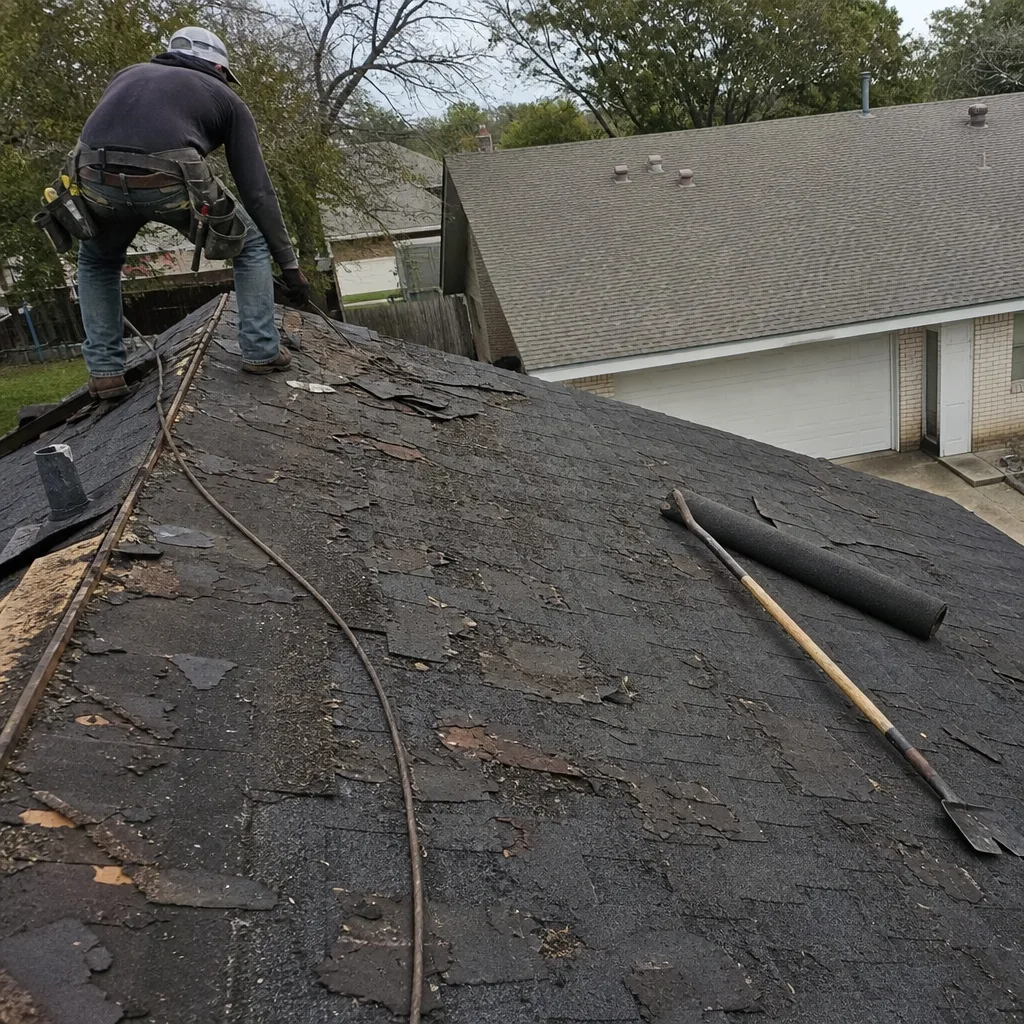 Before
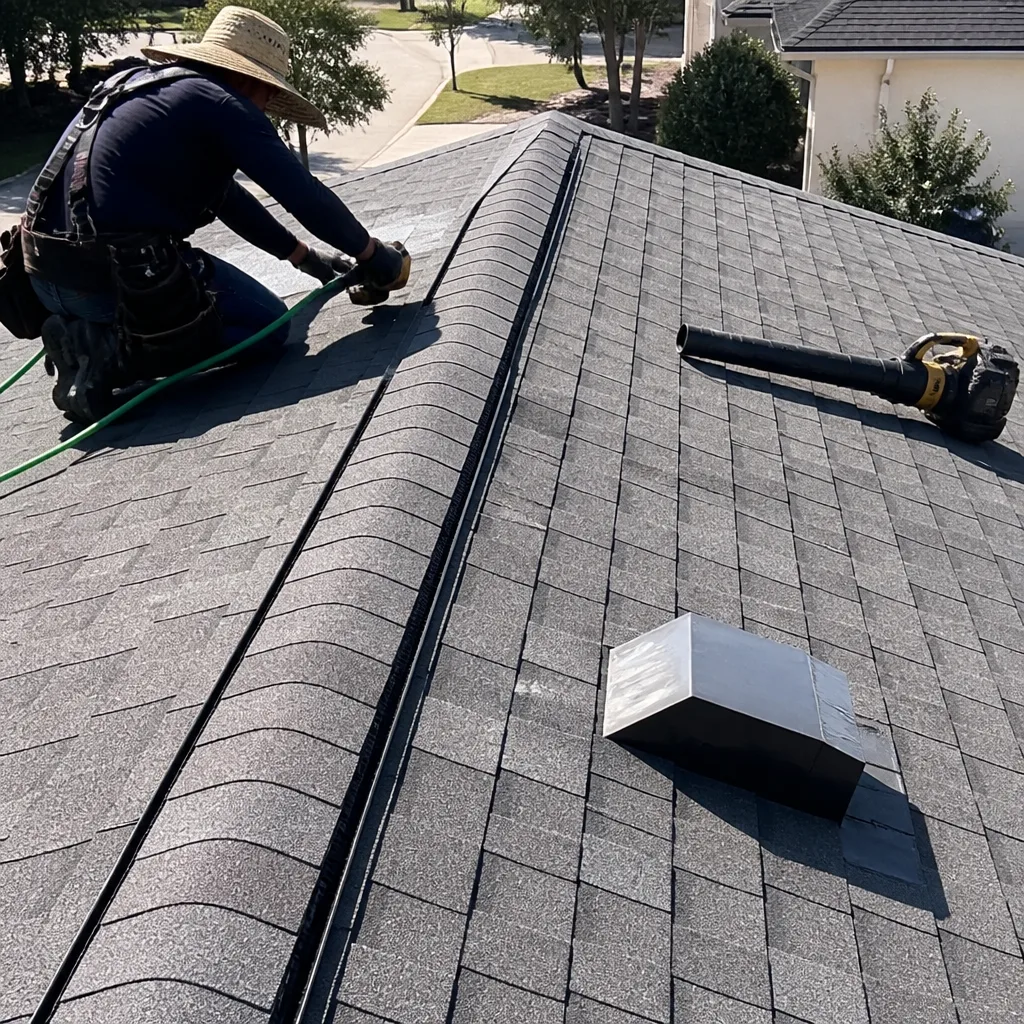 After
AfterReplacement Cost & What’s Included
For most Austin single-family homes, expect $480 to $900 for a full Atlas ridge vent replacement. That’s parts, labor, removal of the old vent, and the written guarantee. Homes with steep pitches, tall rooflines, or ridge lengths over 60 linear feet run higher, closer to $12 to $18 per linear foot as the total installed price.
Every quote includes the vent material, new zinc or galvanized nails, any necessary sealant at the butt joints, and cleanup with magnetic sweep. We write the price before any work starts, and that number is what you pay. If we find rotted decking under the old vent, we’ll show you a photo, give you the added price in writing, and wait for your approval before touching it. No surprises on the invoice.
The work is covered by our 365-Day Done Right Promise: if the vent fails within a year, we come back and make it right at no charge. Every repair includes that guarantee in writing, and a free second visit is built in if something goes wrong.
DIY or Call Us?
Replacing a ridge vent means working at the highest point of your roof, on a slope, with nails and a pry bar. That’s a fall risk we take seriously, and you should too. The safe DIY move is inspection from the ground or from a ladder resting against the gutter line. Look for the signs described above. Snap photos. That’s it.
The actual swap involves cutting back the old vent, checking the airflow slot width (most Austin homes need 1-1/2 to 2 inches of exposed slot), and fastening the new vent straight and true. Get the slot wrong and you’ve done a cosmetic fix that moves zero air. Get the fastening wrong and the first spring storm peels it right back off.
Call (361) 202-8874 if you’ve spotted the symptoms. We’ll come look, tell you honestly whether it’s a full replacement or something less, and put the price in writing before anything happens. A live person answers that number around the clock, so you won’t get a voicemail at 2 a.m. if the wind just took half your vent off.
FAQs
An Atlas ridge vent in Austin typically lasts 10 to 15 years before UV exposure and hail take their toll. Plastic vents fail faster here than in cooler climates because Central Texas sunlight is unrelenting. If your vent is past year 12 and you’ve had two or more hailstorms in that window, you’re on borrowed time. Call (361) 202-8874 for a free estimate on replacement before the next storm season.
Yes, in some cases a damaged section can be spliced with a matching Atlas-pattern piece, but it’s only worth doing if the rest of the vent is under 5 years old and still flexible. Most of the time in Austin, the material is uniformly weathered, and a patch becomes a weak point. We’ll tell you which path makes sense after looking, and the written quote covers either option.
A typical single-family Atlas ridge vent replacement takes 2 to 4 hours on site. That includes removing the old vent, inspecting the airflow slot, installing the new vent, and cleaning up with a magnetic sweep. We’ll give you a time window when you book, and we hit it. Call (361) 202-8874 to schedule.
We keep Atlas 4-foot plastic sections, Atlas rolled vent, and common aftermarket equivalents stocked on our trucks, so we don’t have to reschedule you for a supply run. If your roof needs a specialty Atlas part that isn’t standard inventory, we’ll order it and give you a firm install date. Either way, the price is written before any work starts.
Your roof shouldn’t be something you worry about, that’s what we’re here for.
Written by Grant Whitlock, Owner, Mercer Roofing Co Austin at Mercer Roofing Co Austin, serving Austin and nearby areas.