
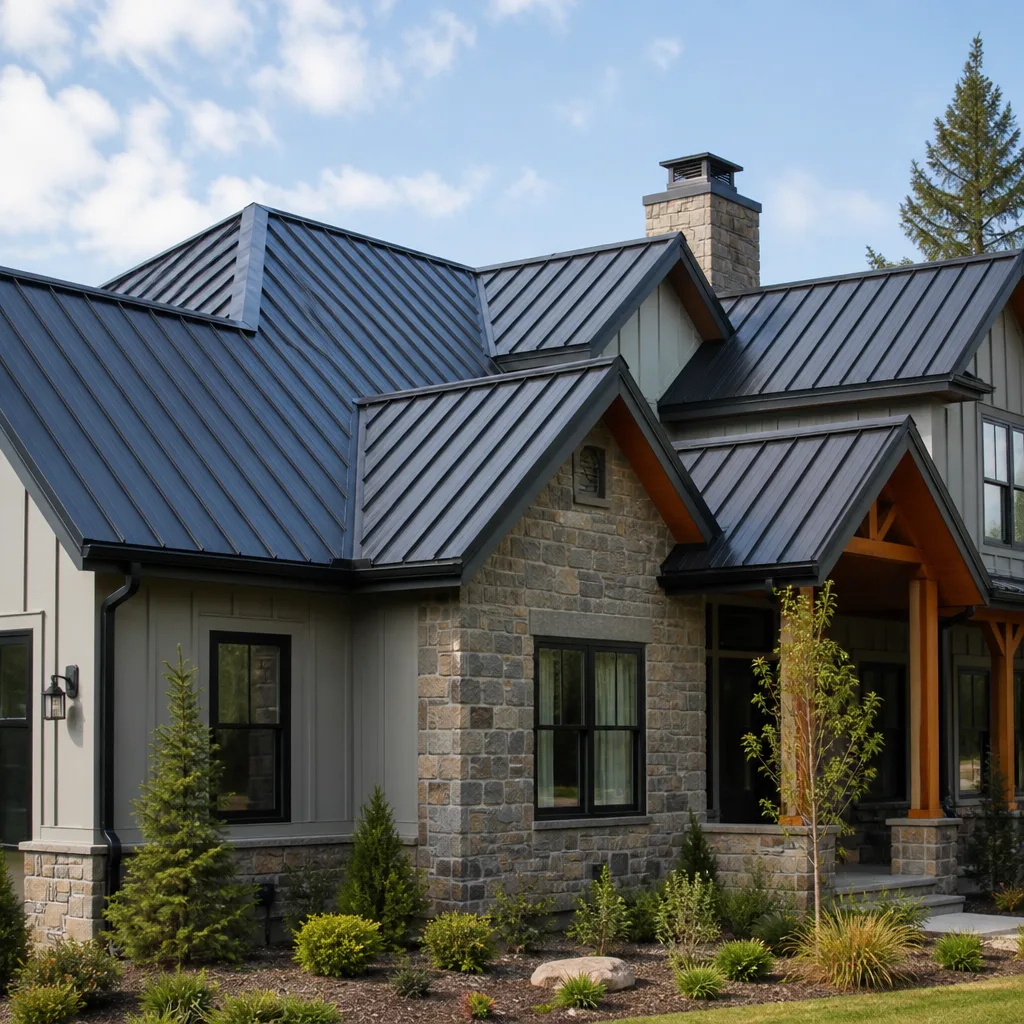
 Metal roofing
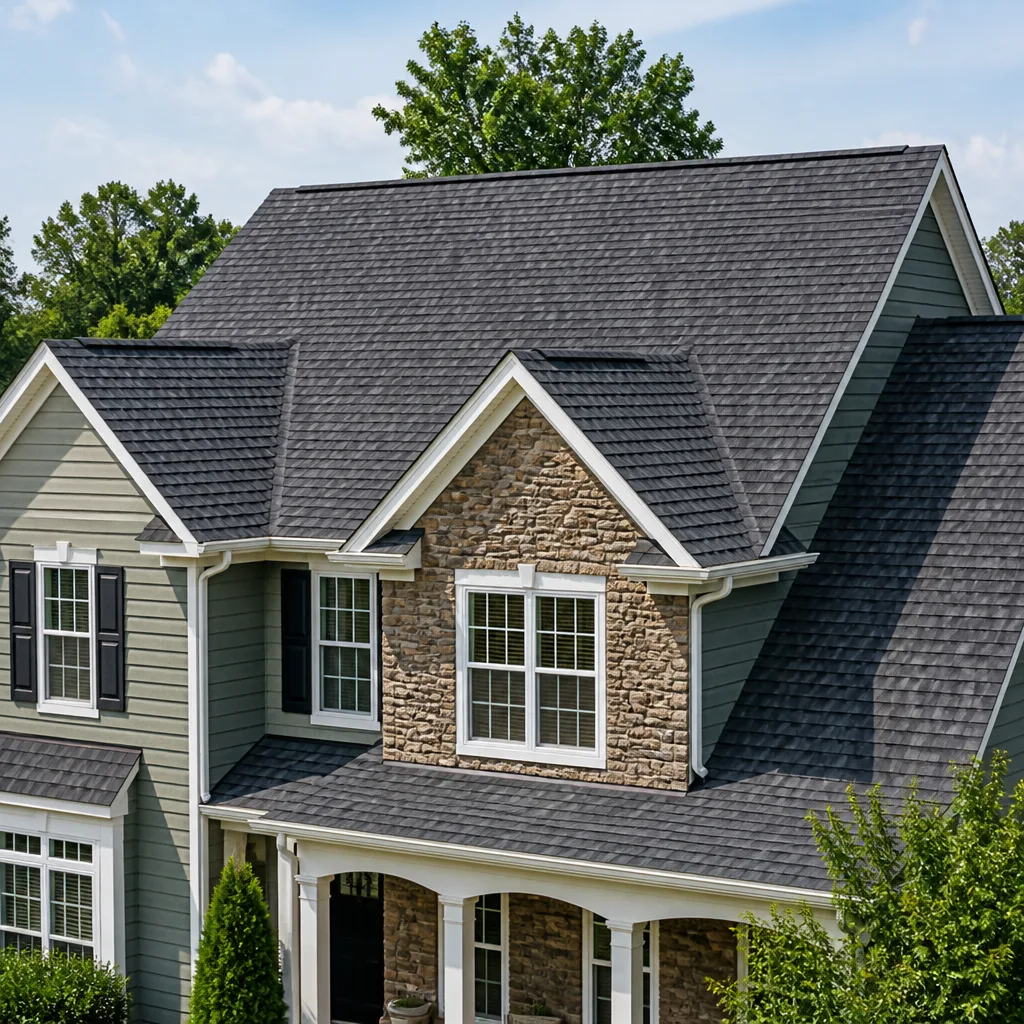 Architectural shingles
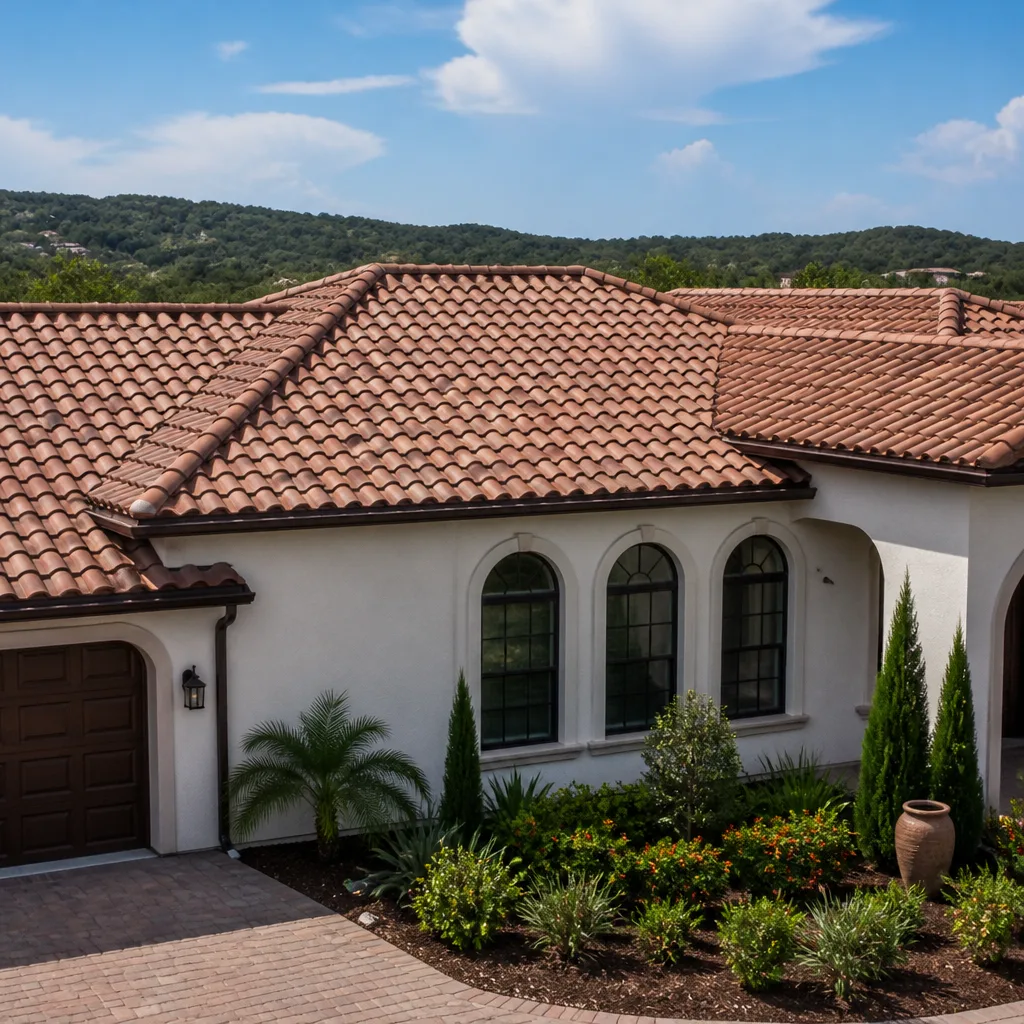 Tile roofing
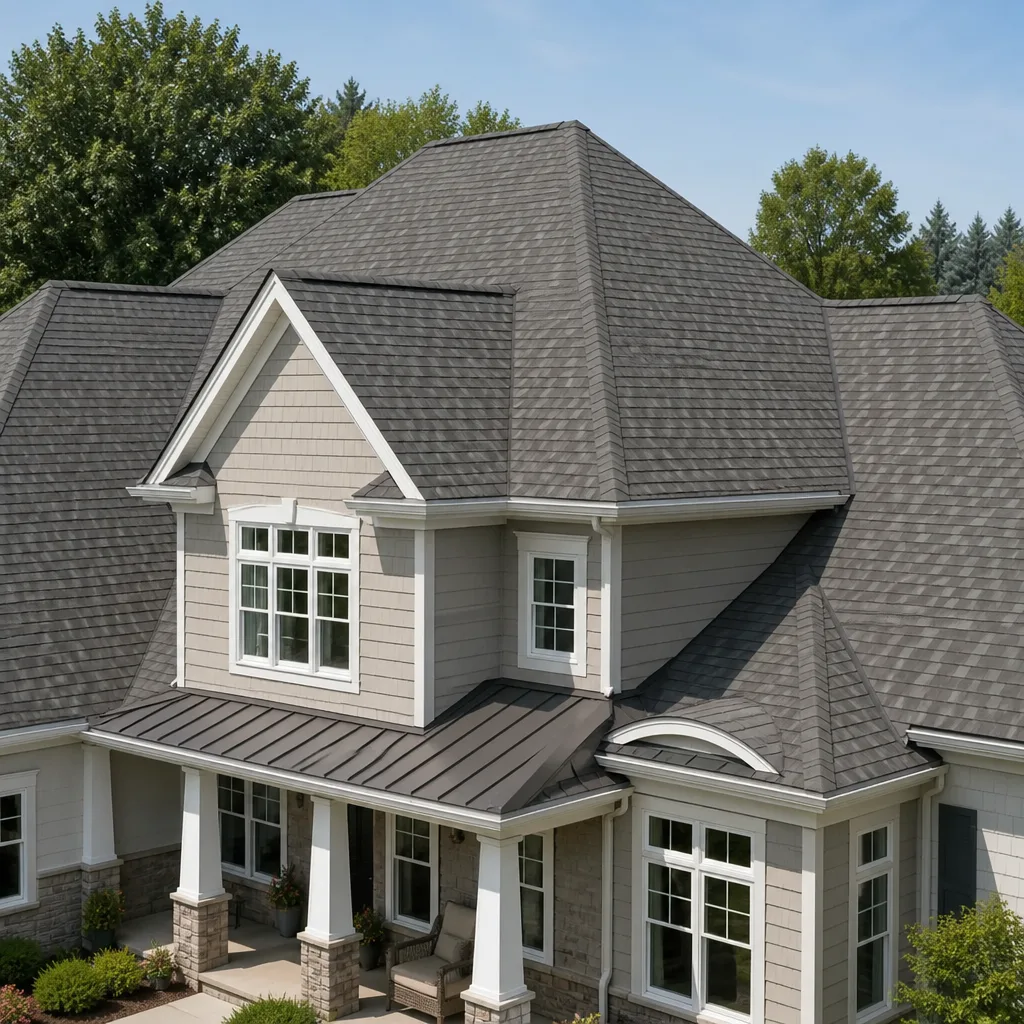 GAF
GAF Owens Corning
 Flat & low-slope
Free roof inspection with deck photos before we talk money - GAF and Owens Corning certified installation
Boral Flashing Replacement: The Austin Owner’s Guide
Replacing Boral flashing on an Austin roof typically costs between $350 and $900 installed, depending on the flashing type, roof pitch, and how much surrounding material has to be lifted to do the job right. We keep common Boral-compatible flashing profiles on our trucks, so most replacements in Austin are done the same day we diagnose the leak. Flashing fails quietly. You usually find out after a rainstorm, when a water stain shows up on the ceiling or along a wall near a chimney, skylight, or roof valley, and tracing it back leads to a cracked or corroded piece of metal that stopped doing its job years before you noticed.
Which Boral Models This Applies To
Boral roofing systems, particularly their concrete and clay tile lines, use flashing profiles sized to the tile’s contour and profile. The flashing has to match the tile’s gauge, not just the roof’s geometry. Boral tile profiles run from flat to high-barrel, and each profile changes the flashing’s kick-out angle and hem length. If someone slaps a generic L-flashing under a Boral barrel tile, the water channel is often too shallow and the first hard Austin downpour will find it.
To identify what you have, look for the Boral stamp on the underside of a tile, usually near the nose. The profile name, like Villa, Saxony, or Shake, tells us a lot about the flashing spec. If the stamp is worn off, we measure the tile’s rise and the width of its water channels. The choice between OEM Boral flashing and a quality aftermarket equivalent comes down to gauge and coating. Boral specifies a minimum 26-gauge metal with a factory-applied finish. We’ve seen cheap 30-gauge flashing installed under Boral tile that corroded through in under five years in the Austin heat and humidity cycle. On the truck, we carry 26-gauge galvanized and pre-finished flashing stock that meets or exceeds the Boral spec, and we can order OEM profiles when the tile shape demands an exact match.
Styles & brands we work with
Signs Your Boral Flashing Replacement Is Failing
- Water staining at the ceiling or wall below a roof penetration. This is the classic first sign. The flashing is the seal around the penetration, and when it fails, water follows the rafter down into the living space. The stain often shows up two to four feet away from the actual leak point.
- Lifted or warped flashing visible from the ground or a ladder. Austin’s cycle of 100-degree summers and hard freezes causes metal to expand and contract. Over time, that fatigue pulls the flashing away from the tile and the wall, leaving a gap you can see.
- Rust streaks or mineral staining on the flashing itself. Once the factory coating is compromised, the base metal corrodes. The rust will run down the tile and stain it orange-brown. By the time you see that, the flashing is usually too far gone to reseal.
- Grit or tile debris in the gutters near a valley or penetration. When flashing under a Boral tile begins to shift, the tile above it can work loose. If you’re cleaning gutter debris that includes tile fragments or a lot of coarse sand from a specific roof area, the flashing under that section may have failed.
- Drafts or daylight visible at the roofline inside the attic. Flashing doesn’t just keep water out, it closes the roof-to-wall junction. If you can see daylight at the eave or around a chimney chase from inside the attic, the flashing is no longer seated and the seal is broken.
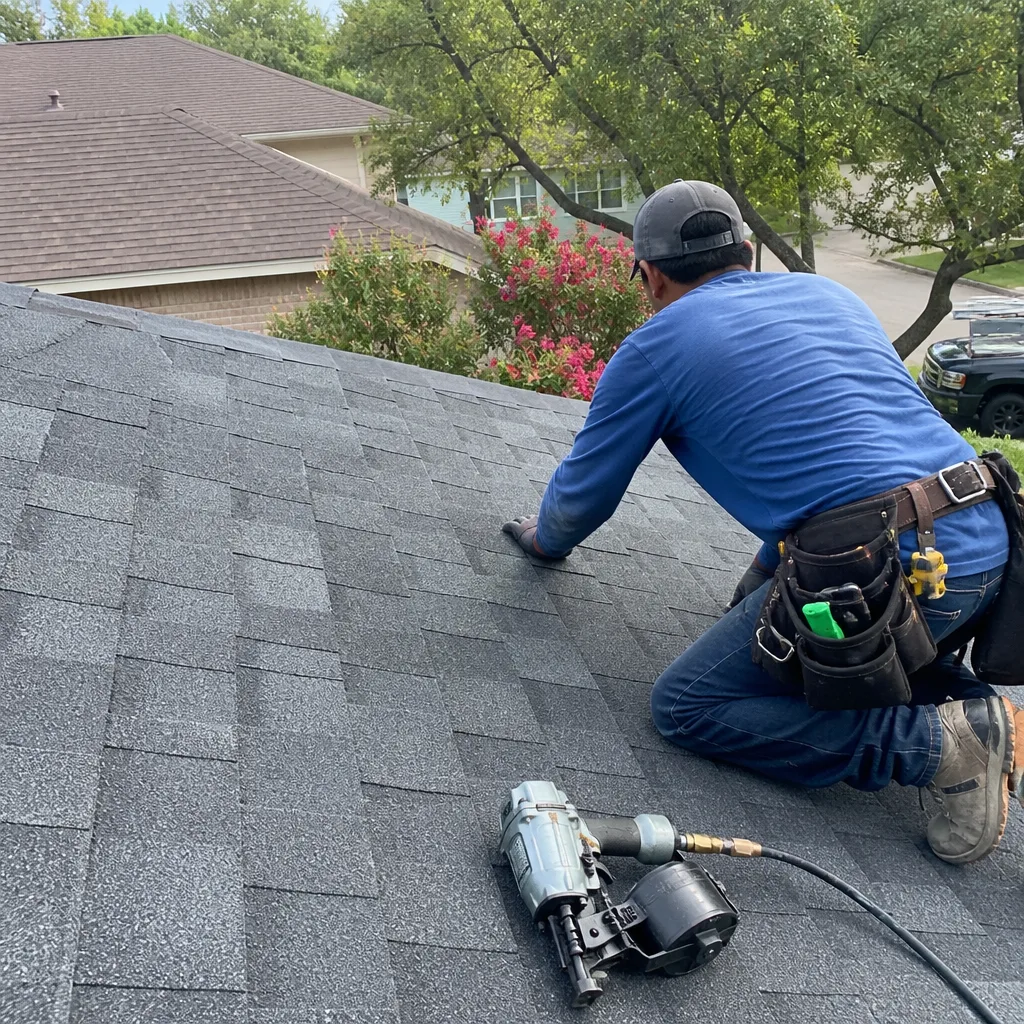
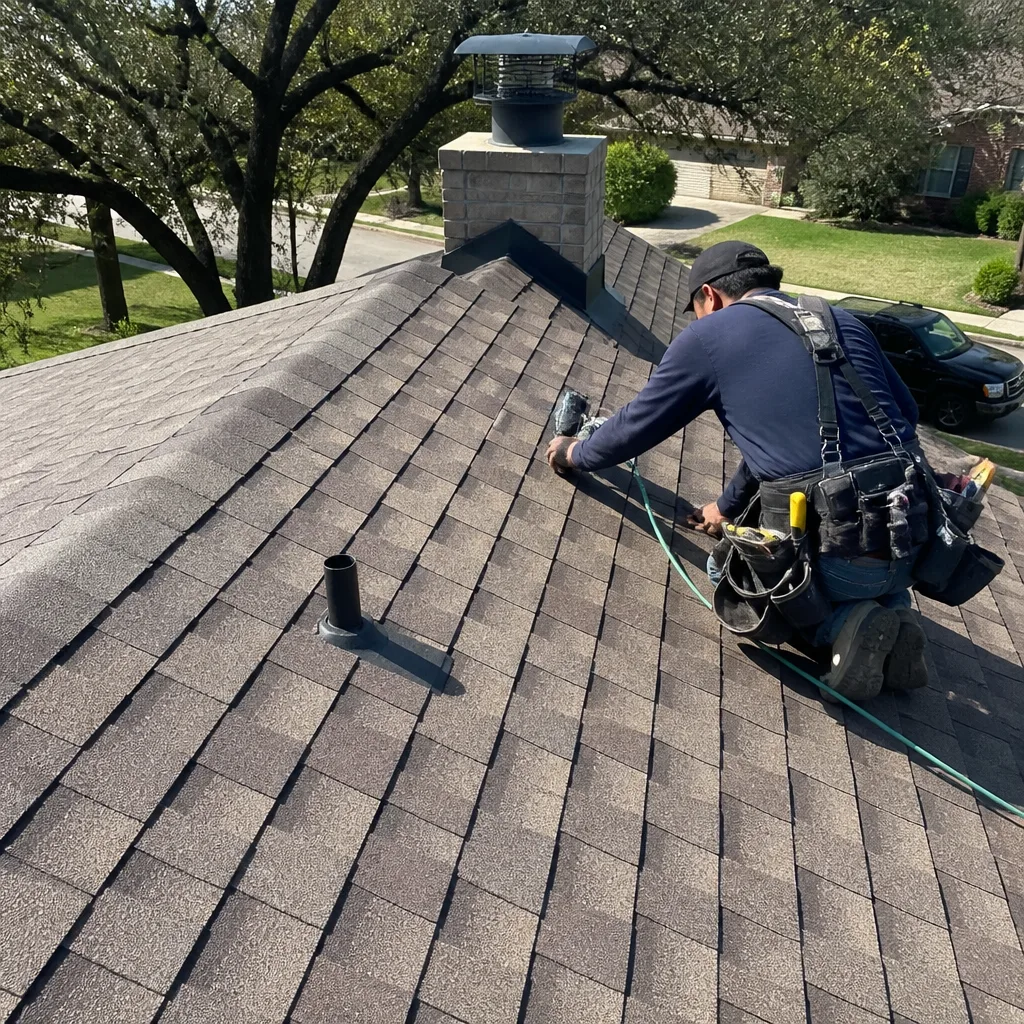
See the difference
 Before
 After
After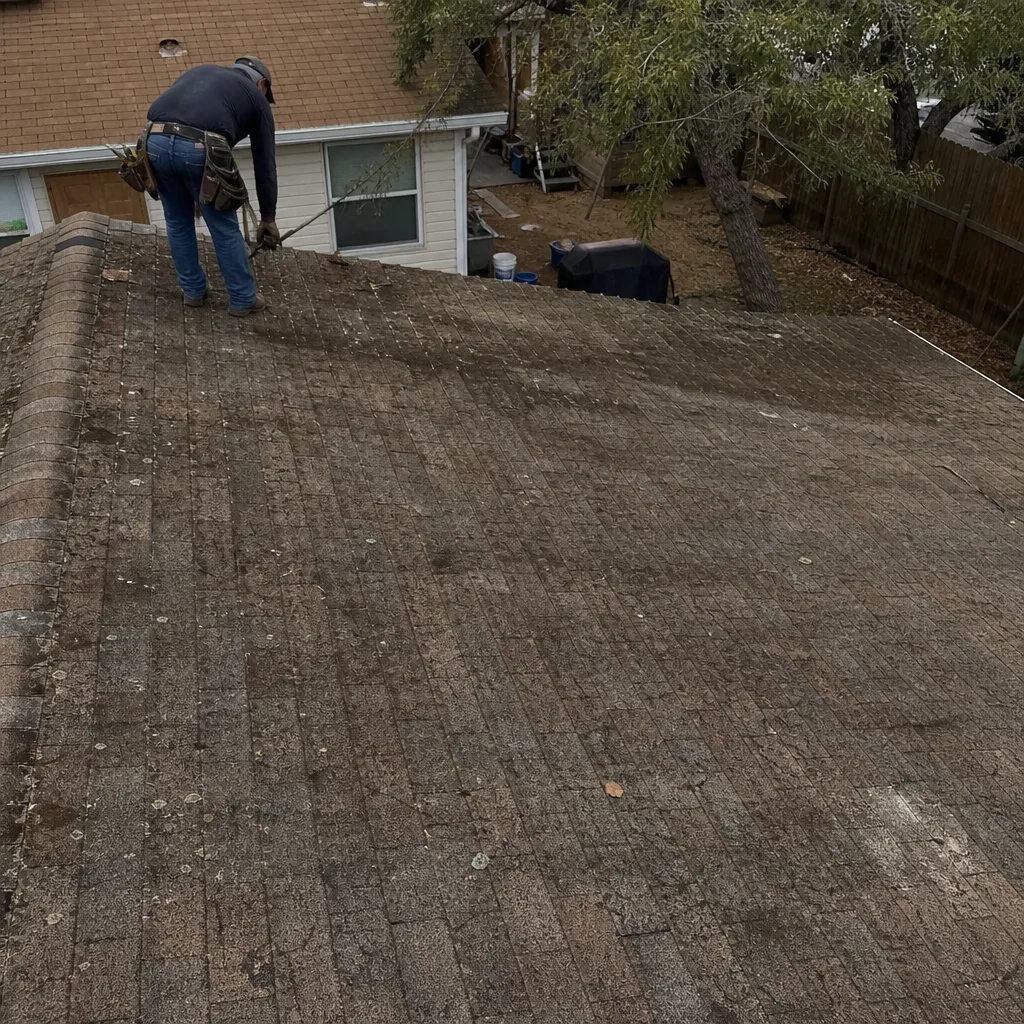 Before
 After
After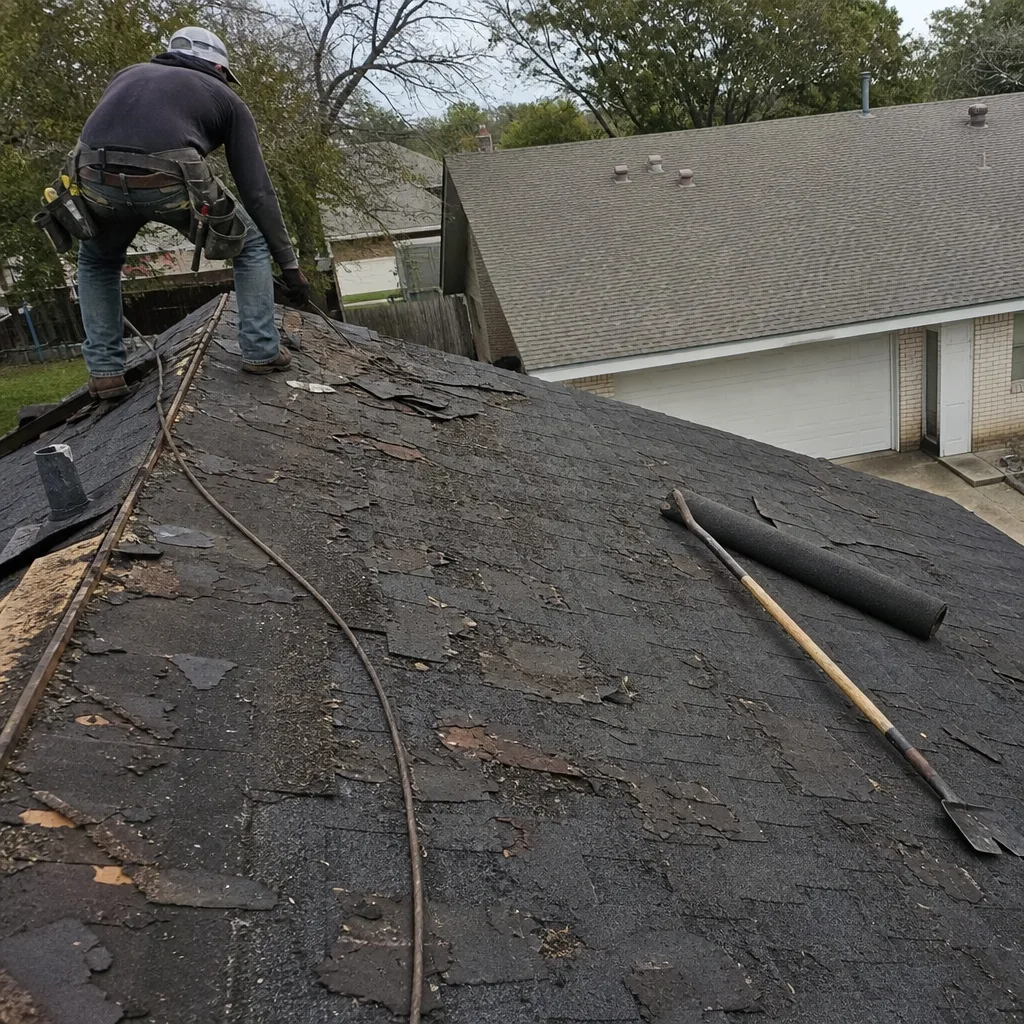 Before
 After
AfterReplacement Cost & What’s Included
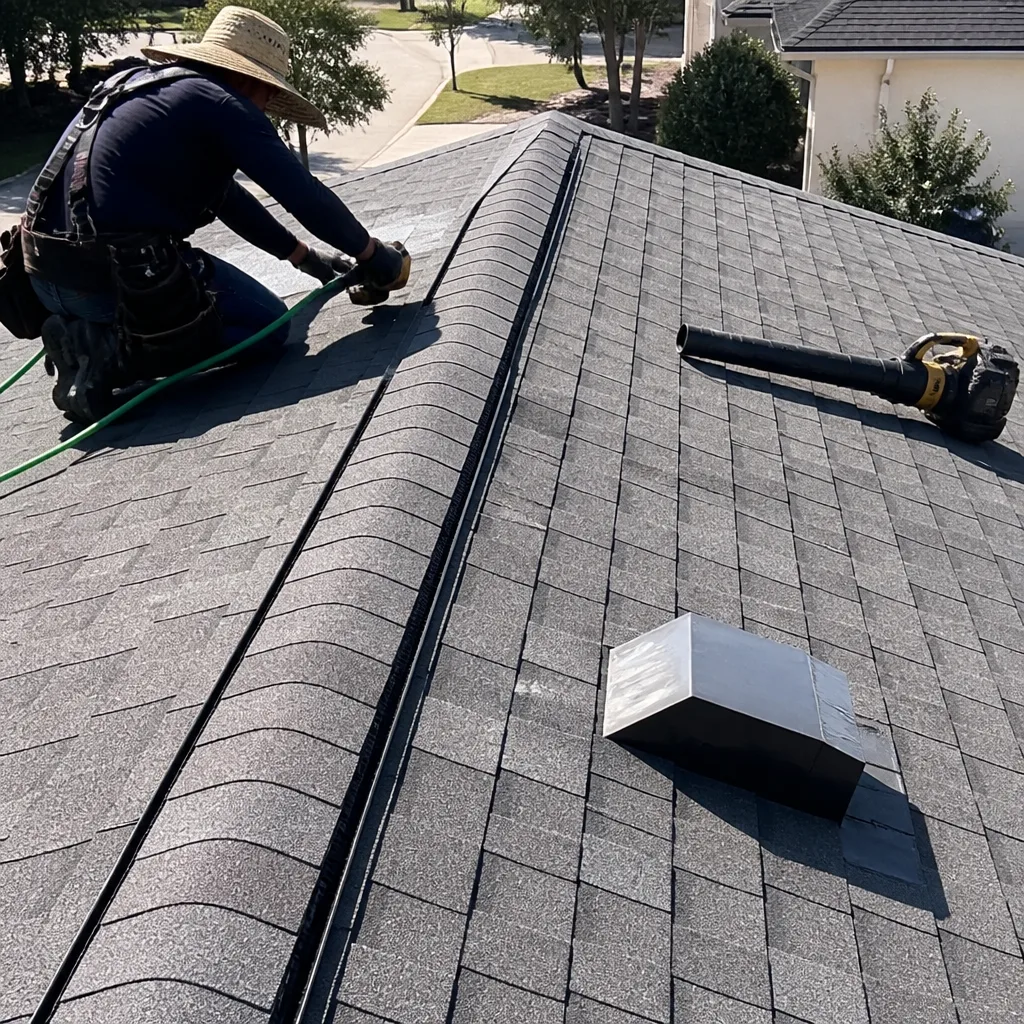
In the Austin market, Boral flashing replacement runs $350 to $900 for a typical penetration like a chimney, skylight, or wall junction. That’s the installed price, including removal of the old flashing, new pre-finished flashing cut and bent to match your tile profile, fresh underlayment at the tie-in point, and re-setting the surrounding tiles. The range depends on roof pitch, the number of tile courses we have to lift, and whether the existing underlayment is still sound. Steep roofs and two-story homes add labor because of access and safety setup. Parts are usually $40 to $150 of the total; the rest is labor, and we show you both numbers on a written quote before any work begins. Every repair includes the 365-Day Done Right Promise, meaning if the flashing fails within a year, we come back and make it right at no charge.
DIY or Call Us?
Flashing replacement is one of the most common DIY attempts we see in Austin, and it’s also one we get called to fix regularly. There are things you can safely do: inspect from the ground with binoculars, look for rust and lifted metal, and clear simple debris from a valley with a long-handled tool from a ladder. What you shouldn’t do is pry up Boral tile and attempt to re-bend or reseal flashing yourself. Boral tile is heavy, brittle at the edges, and a broken tile from a failed DIY flashing job costs more than the flashing repair itself. On a steep or two-story roof, lifting tile without proper fall protection is how people get hurt. If you’ve found the flashing and it’s rusted, cracked, or pulling away, the honest answer is to have it replaced properly. Call (361) 202-8874 and we’ll come out, show you what we found, and give you a written price before anything gets done.
FAQs
Expect 15 to 25 years from quality 26-gauge flashing under Boral tile in Austin’s climate. The primary killers are thermal cycling from our hot summers, freeze-thaw stress, and the constant UV exposure that degrades the factory coating. Flashing in shaded roof areas or near heavy tree canopy often corrodes faster because it stays damp longer.
If you’re seeing rust on flashing that’s under 15 years old, call (361) 202-8874 and let us look. We’ll tell you if it’s a premature failure or normal wear before we recommend any work.
Rarely. Small pinholes in an otherwise sound flashing can sometimes be soldered or sealed, but the repair rarely holds on Boral roofs because the tile’s weight and expansion re-crack the patch within a season or two. If the flashing is rusted through, lifted at the bend, or torn at a fastener, replacement is the fix that lasts. We won’t patch something for you that we wouldn’t patch on our own roof.
Want a straight answer on your flashing? Call (361) 202-8874 and we’ll inspect it and tell you honestly whether a repair is viable.
Most single-penetration flashing replacements are completed in two to four hours, from setup to final inspection. Jobs involving multiple penetrations, steep pitches, or extensive underlayment repair can stretch to a full day. We’ll give you a written time estimate along with the price before we start, and you’ll know exactly who’s coming because we send the technician’s name and photo before they arrive.
Call (361) 202-8874 to schedule your free flashing estimate.
We stock common 26-gauge flashing profiles that match most Boral tile geometries, and we cut and bend on-site to match your roof’s specific dimensions. For rare Boral profiles, like certain high-barrel shapes or custom color finishes, we order the OEM piece and typically have it within three to five business days. We also work with flashing materials for GAF, Owens Corning, and CertainTeed roofs, so if the flashing failure turns out to be tied to a different shingle line, we’re covered.
Call (361) 202-8874 and we’ll confirm what we need to bring before the first visit.
Written by Grant Whitlock, Owner, Mercer Roofing Co Austin at Mercer Roofing Co Austin, serving Austin and nearby areas.