
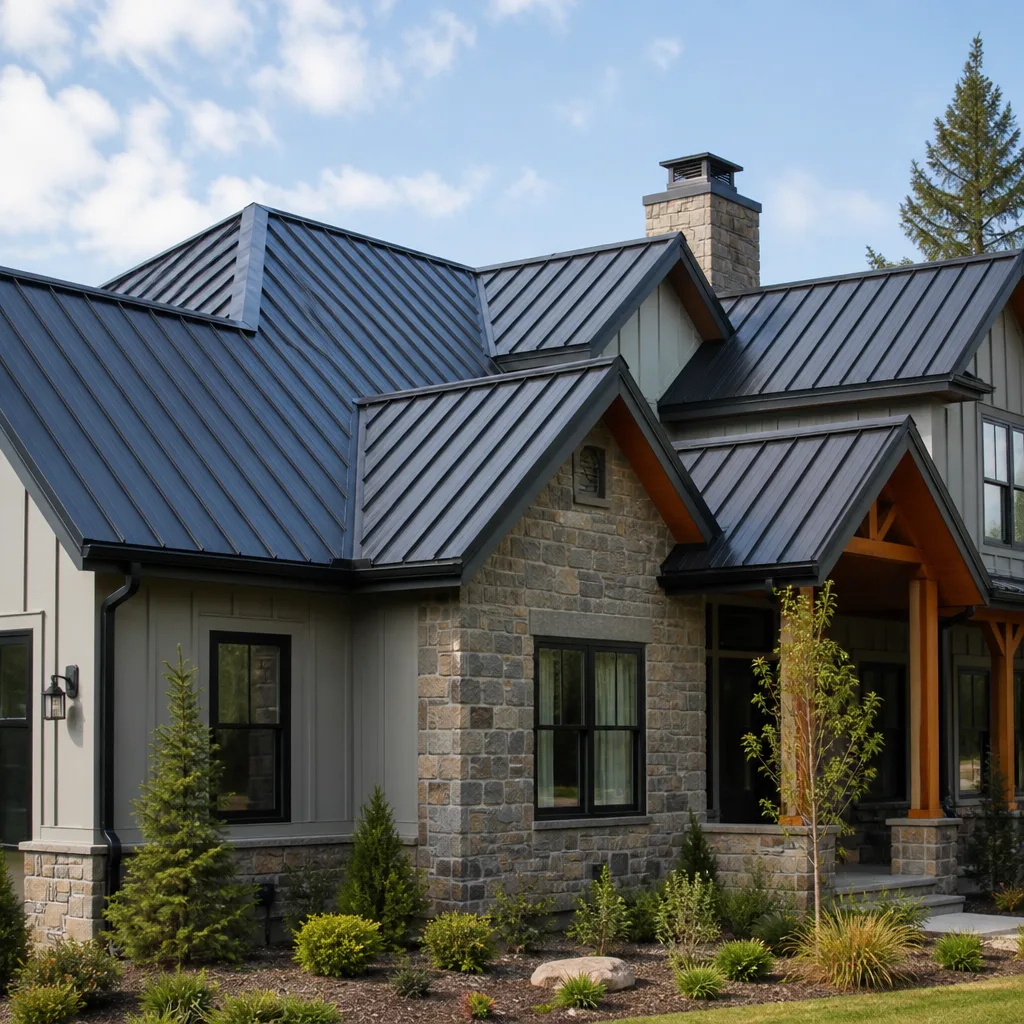
 Metal roofing
 Architectural shingles
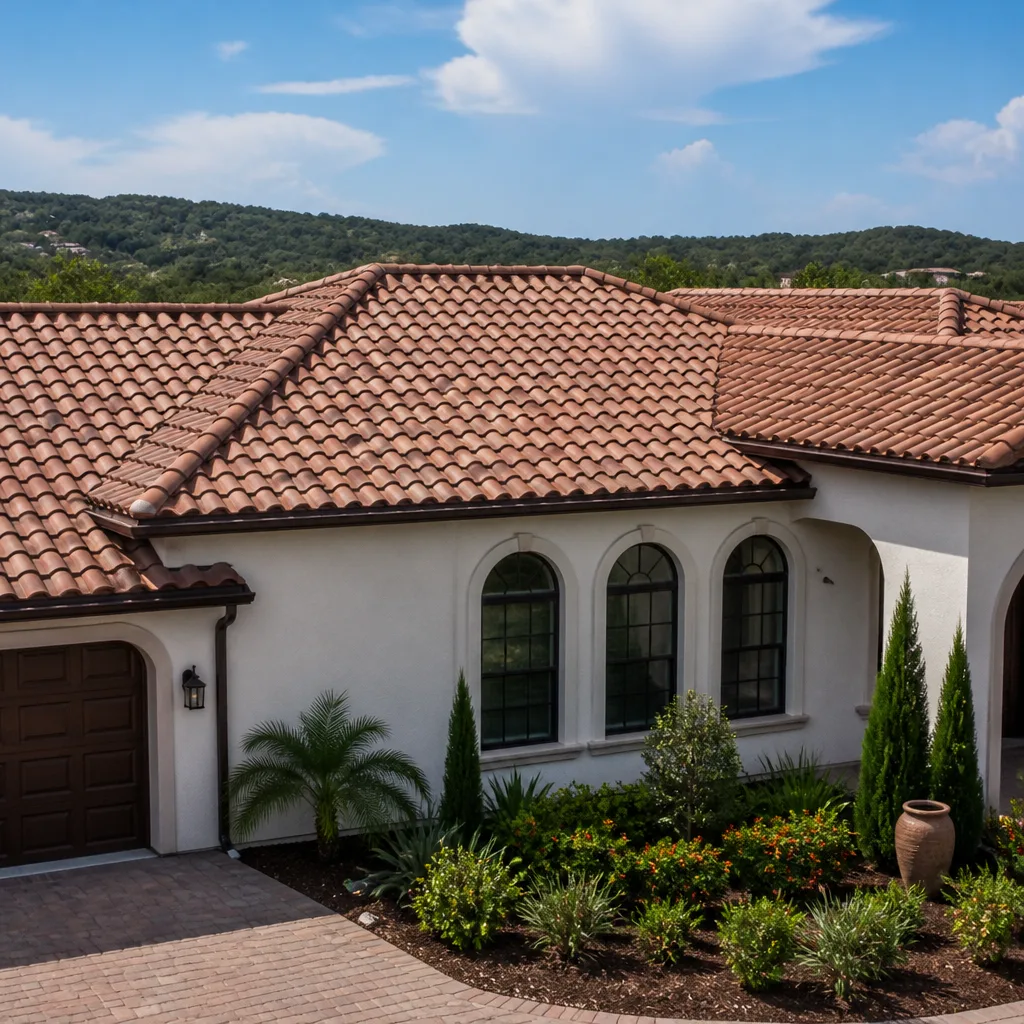 Tile roofing
 GAF
GAF Owens Corning
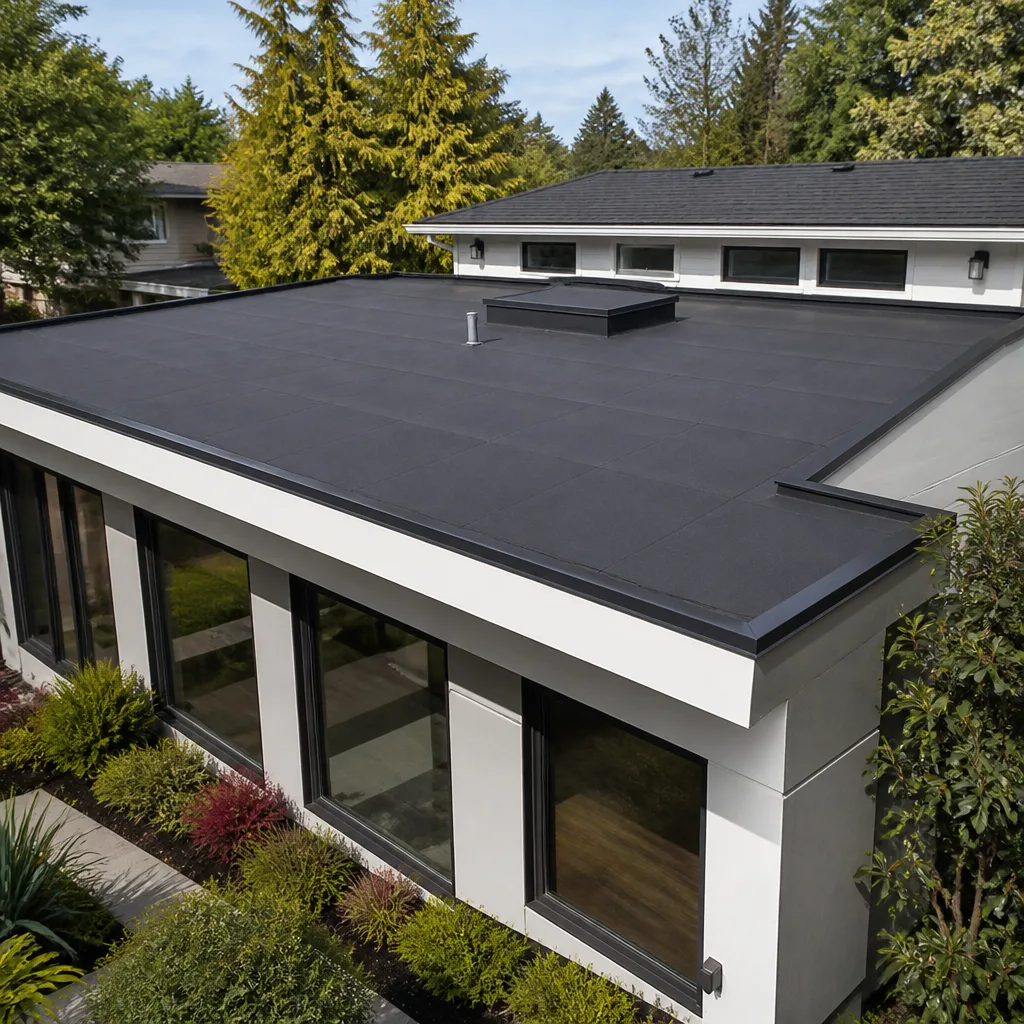 Flat & low-slope
Free roof inspection with deck photos before we talk money - GAF and Owens Corning certified installation
Atlas Flashing Replacement: The Austin Owner’s Guide
Atlas flashing replacement in Austin typically runs $285 to $640 installed, depending on whether we’re replacing a single pipe boot, a wall step flashing section, or a full chimney saddle. We stock Atlas-compatible flashing on our trucks, and most flashing-only jobs are completed the same day. You usually find out flashing failed the hard way: a brown ceiling stain after a Hill Country downpour, or granules collecting in the gutter below a wall line. Flashing rarely fails loudly. It fails quietly, at the joint, and by the time you see water inside, the metal has been compromised for months.
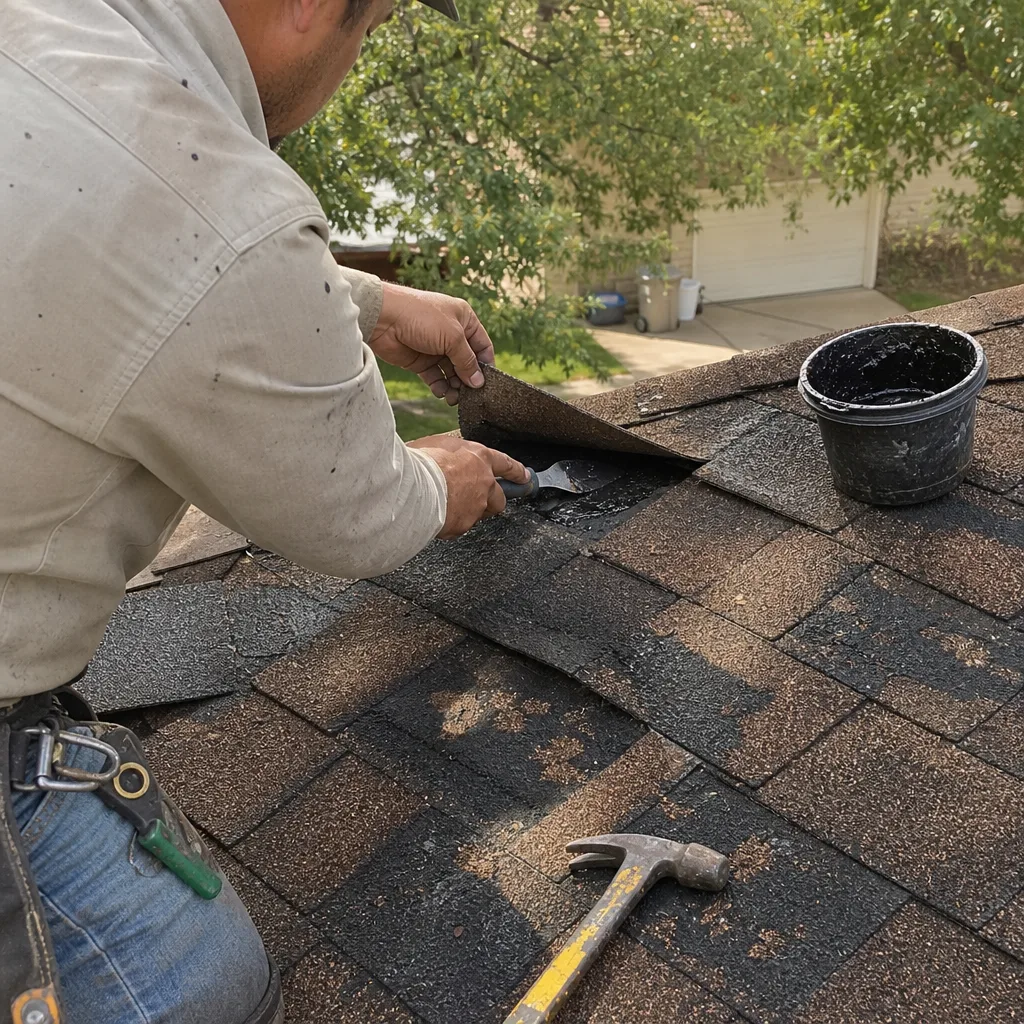
If your Atlas roof is leaking and you suspect the flashing, you’re probably right. It’s the most common leak point on any shingle system, Atlas included. The good news: flashing replacement is the most cost-effective repair in roofing. We’re Mercer Roofing Co Austin, an independent roofing contractor – not affiliated with Atlas – and we’ll match the right flashing to your Atlas installation, write the price down before we start, and back the repair with a 365-day written guarantee.
Key takeaways:
- Installed flashing replacement in Austin: $285 to $640, with written pricing before work starts.
- We stock Atlas-compatible pipe boots, step flashing, and counter-flashing on the truck.
- Every repair carries our written 365-Day Done Right Promise, including a free second visit if a repair fails.
- Your technician’s name and photo are sent to you before arrival. They badge in with photo ID at the door.
Which Atlas Models This Applies To
Atlas flashing is not model-specific the way a car part is. Atlas manufactures shingles – the Pinnacle line, StormMaster, GlassMaster, and the newer Architect series – but the flashing itself is a separate metal component installed alongside those shingles. What matters for replacement is the flashing profile, not the shingle model. We match three things when we swap Atlas flashing: the metal gauge, the flashing width and bend angle, and the material (galvanized, aluminum, or copper).
Here’s the compatibility detail most Austin homeowners don’t get from a quick YouTube search: Atlas shingles sit at a standard exposure, but the depth of your step flashing needs to match your shingle’s reveal. If you have Atlas StormMaster with a 5-5/8-inch exposure, your step flashing is cut differently than a Pinnacle install at 5 inches. Too-short flashing means water wicks behind the shingle course. Too-tall flashing creates a ridge the shingle can’t lay flat over. We measure before we quote, and the written price reflects exactly what your roof needs.
For pipe boots, we install OEM-style Atlas-compatible boots as standard. For wall flashing and chimneys, we often fabricate on-site from 26-gauge galvanized or pre-finished aluminum, matched to the existing Atlas color blend where possible. The decision between OEM and high-quality aftermarket flashing is usually about fit and lead time. Most aftermarket boots made for Texas installs equal or exceed OEM spec. We’ll tell you which we’re quoting and why, in plain language.
Styles & brands we work with
Signs Your Atlas Flashing Replacement Is Failing
- Dark ceiling stains or drips near exterior walls. This is the classic step-flashing failure. Water gets behind the flashing at the roof-to-wall joint and travels down the wall cavity before showing itself inside. The leak point on the roof is often three or four feet above where the water appears indoors.
- Granule buildup in gutters near a chimney or wall line. When flashing fails, water saturates the shingle edge and erodes the asphalt coating quickly. Granules in the gutter below a wall or chimney are a strong sign flashing has been compromised, even if you haven’t seen a leak yet.
- Rust or visible corrosion on exposed flashing metal. Austin’s humidity and the occasional freeze-thaw cycle accelerate rust on galvanized flashing, especially north-facing chimney saddles. Once the zinc layer is gone, the steel corrodes through, and pinholes become leaks within a season.
- Lifted, curled, or missing counter-flashing around chimneys. Chimney flashing lives in the worst weather on your roof. Wind-driven rain gets under lifted counter-flashing, and by the time you can see a gap from the yard, water has been intruding for months. Austin hail storms have a way of denting and displacing chimney flashing before shingles show any damage.
- Wet decking in the attic after normal rain, not storm rain. If you have attic access and see darkened plywood near a roof penetration after an ordinary shower, that’s flashing failure, not shingle failure. Shingles shed water; flashing channels it. A leak that shows up during normal rain, not just wind-driven storms, points to flashing that’s fully failed at the seal or the lap.
See the difference
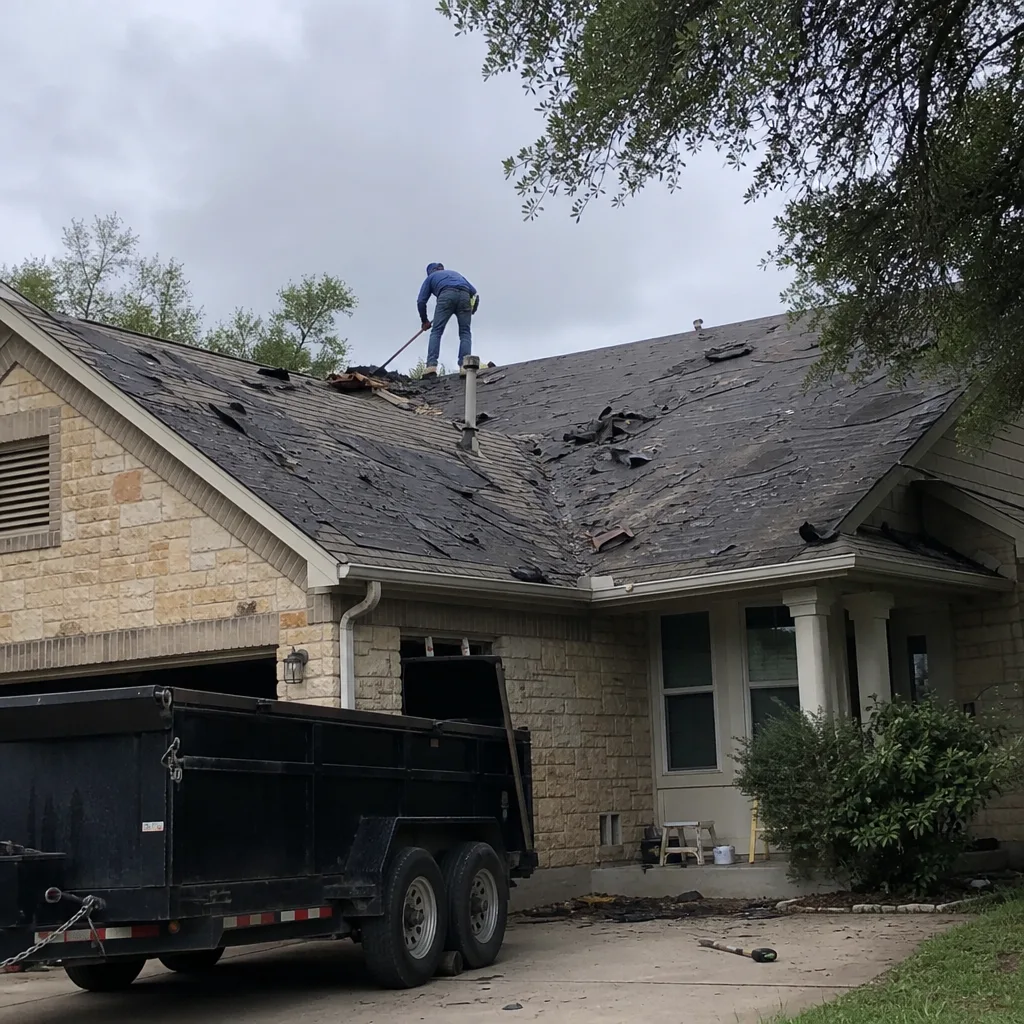 Before
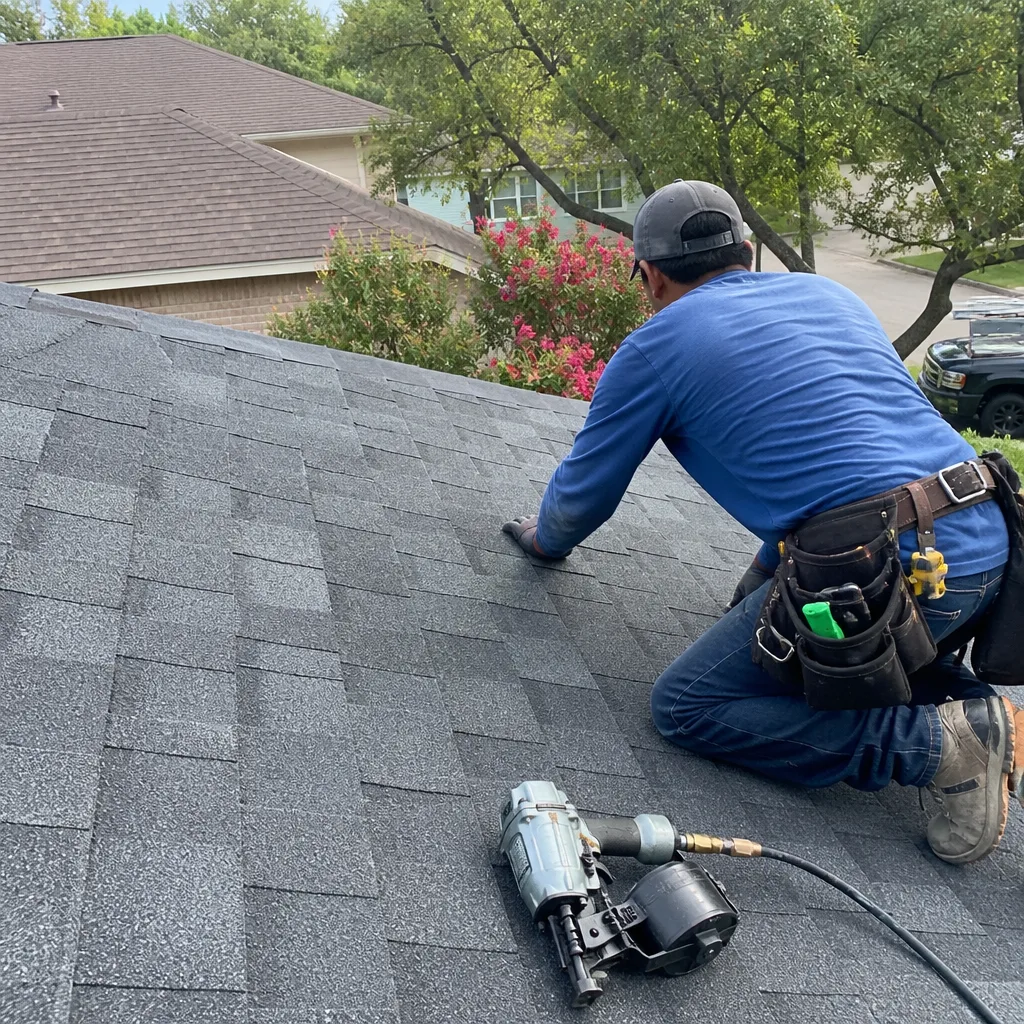 After
After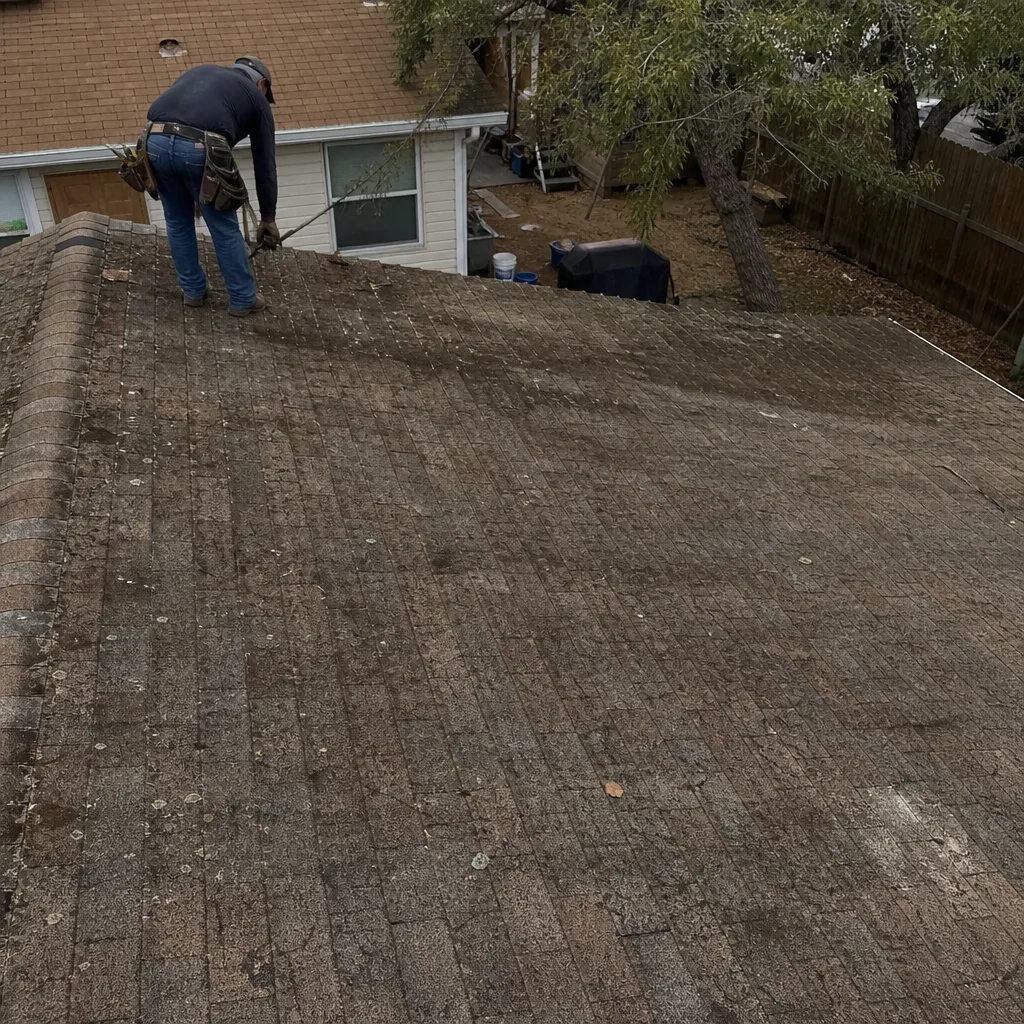 Before
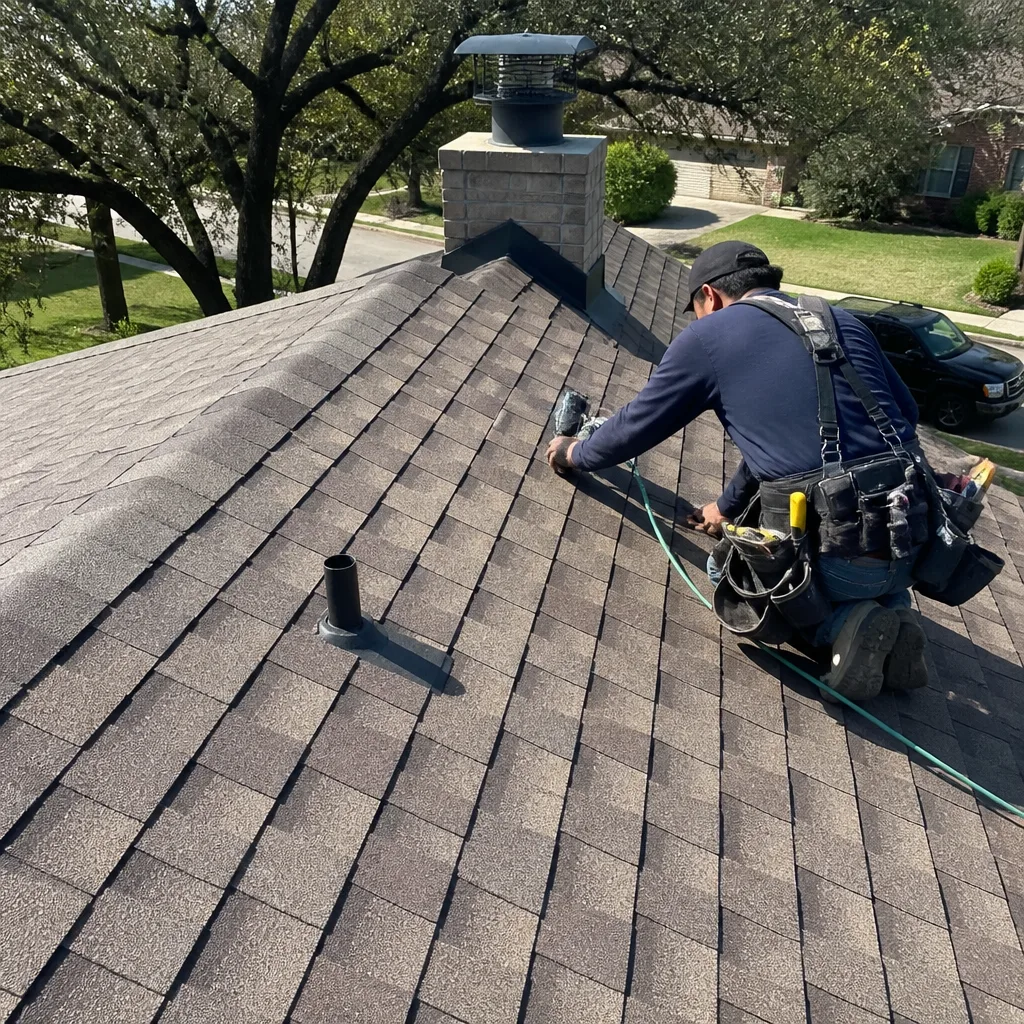 After
After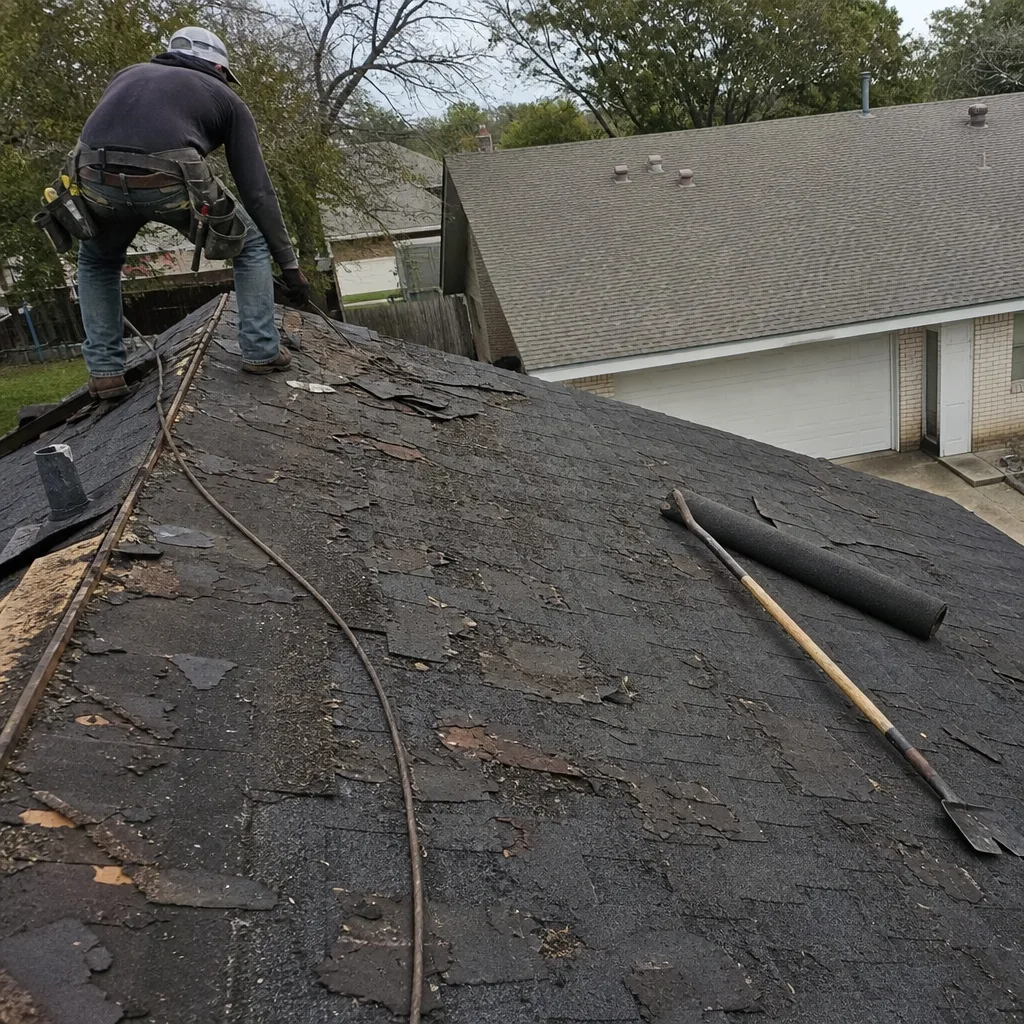 Before
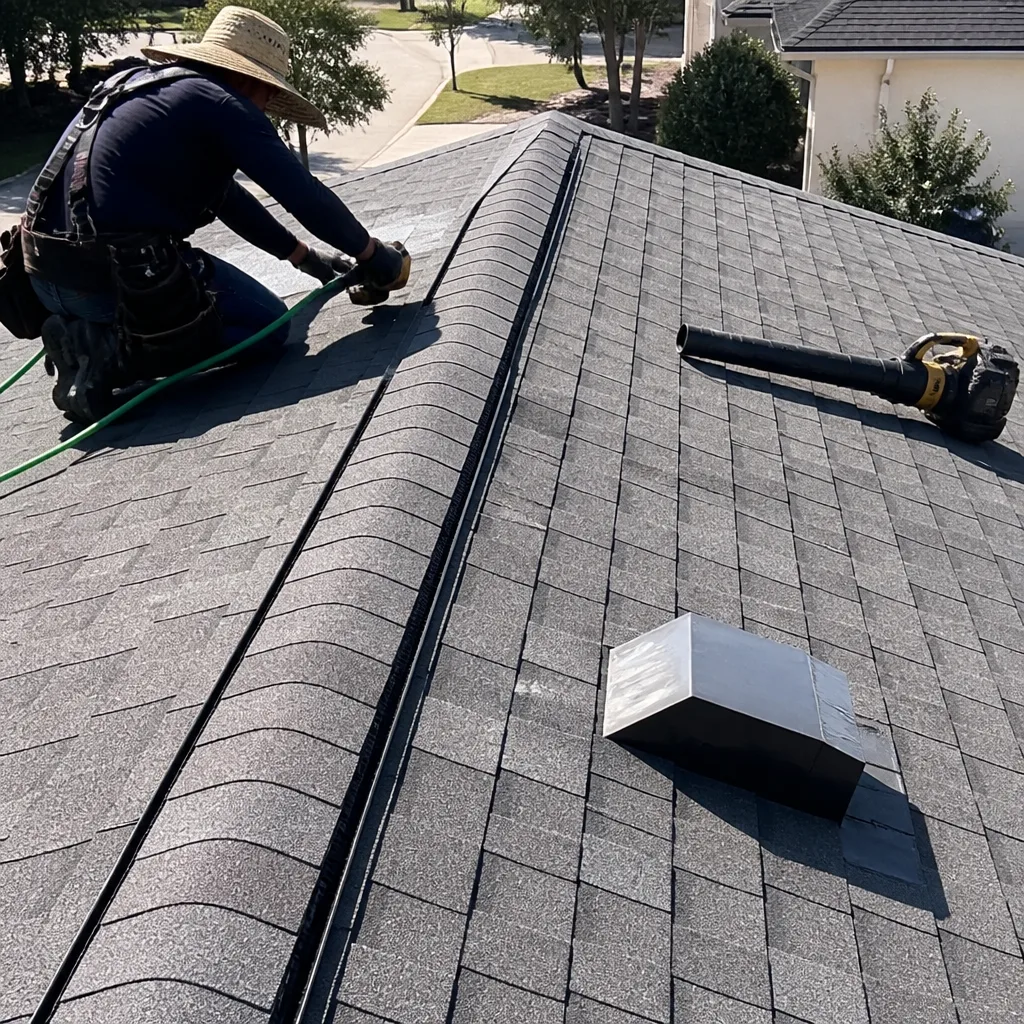 After
AfterReplacement Cost & What’s Included
Here’s what Atlas flashing replacement costs in Austin, with real numbers so you know what to expect before you call.
| Flashing Type | Typical Installed Range (Austin) | What It Includes |
|---|---|---|
| Pipe boot (single vent pipe) | $285 – $395 | New Atlas-compatible boot, sealant, shingle re-seat, written guarantee |
| Step flashing section (wall-to-roof, up to 10 linear feet) | $385 – $520 | New step flashing fabricated or matched to shingle reveal, corner detail work, written guarantee |
| Chimney counter-flashing and saddle replacement | $520 – $640 | Remove and replace counter-flashing, reseal saddle, inspect crown, written guarantee |
The range is driven by three factors: accessibility (how safe and simple it is to work that area), the amount of existing damage behind the old flashing, and whether we need to replace shingles that have been torn or delaminated to reach the flashing properly. Your written price includes the part, the labor, the sealant, debris cleanup, and the 365-Day Done Right Promise. There’s no change order after we start, and no surprise line item when we’re done. What Grant quotes is what you pay.
We never pad a flashing line item because a roof is old or because a neighborhood is desirable. Zilker, Tarrytown, Mueller – same written price structure, same guarantee, same photo-badged technician at your door.
DIY or Call Us?
We’ll be straight with you: flashing replacement is not the place to learn roofing. The metal itself is sharp, the roof surface is steep or fragile, and the cost of a mistake is hidden water damage that compounds every season. What’s safe for a homeowner to do is identify the likely problem: check gutters for granules, look for visible rust or lifted metal from the ground with binoculars, and check the attic for wet decking after rain. That diagnostic work costs nothing and helps you speak with confidence when you call a roofer.
What’s not safe is climbing a ladder with a tube of roofing cement and trying to seal a gap you can’t fully see. Every week in Austin, Grant or one of his techs ends up fixing a previous homeowner patch that made the leak worse by trapping water behind the flashing instead of channeling it away. If your flashing has failed, replacing it properly is cheaper than repairing the interior damage from a bad patch Job. Call (361) 202-8874 and we’ll send someone who can look at it from the top, explain what they found in plain words, and hand you a written price before any metal comes off your roof.
And a note on the door: every Mercer technician is background-checked and identity-verified under the Threshold Verified standard. We send their name and photo to your phone before they arrive. They’ll knock in a clean, marked uniform and show you a photo ID badge before stepping inside. That’s the standard on every visit, every time.
FAQs
Most standard galvanized flashing in Austin lasts 15 to 25 years, but the Texas sun is harder on sealant than on metal. The sealant bond at flashing laps and pipe boot collars is usually the first thing to fail, often at the 8 to 12-year mark. That’s why a roof with 20-year-old shingles can have failed flashing even if the shingles themselves still look serviceable. Call (361) 202-8874 for an honest assessment – the estimate is free.
Small sealant cracks at a pipe boot collar can sometimes be re-sealed as a stopgap, but any flashing with rust-through, lifted laps, or torn metal needs replacement to actually stop the leak. Patching over failed flashing is a short-term fix that hides water behind the patch. We’ll tell you honestly which camp your roof falls into, and the written price will cover only what’s needed. Call (361) 202-8874 for an exact quote.
Most single-pipe boot replacements take 45 to 90 minutes on-site. A step flashing section along one wall typically takes two to three hours. A full chimney flashing and saddle replacement can run half a day. You’ll know the expected time before we start, and it’s in writing with your price.
We stock Atlas-compatible pipe boots, step flashing, and counter-flashing in our Austin trucks, including 26-gauge galvanized and pre-finished aluminum in the most common profiles. For less common color matches or copper work, we order ahead and schedule the install when it arrives – usually within a week. If you need GAF, Owens Corning, or CertainTeed-compatible flashing, we stock those common profiles too. Call (361) 202-8874 and we’ll confirm what’s on the truck for your specific roof.
Written by Grant Whitlock, Owner, Mercer Roofing Co Austin at Mercer Roofing Co Austin, serving Austin and nearby areas.