
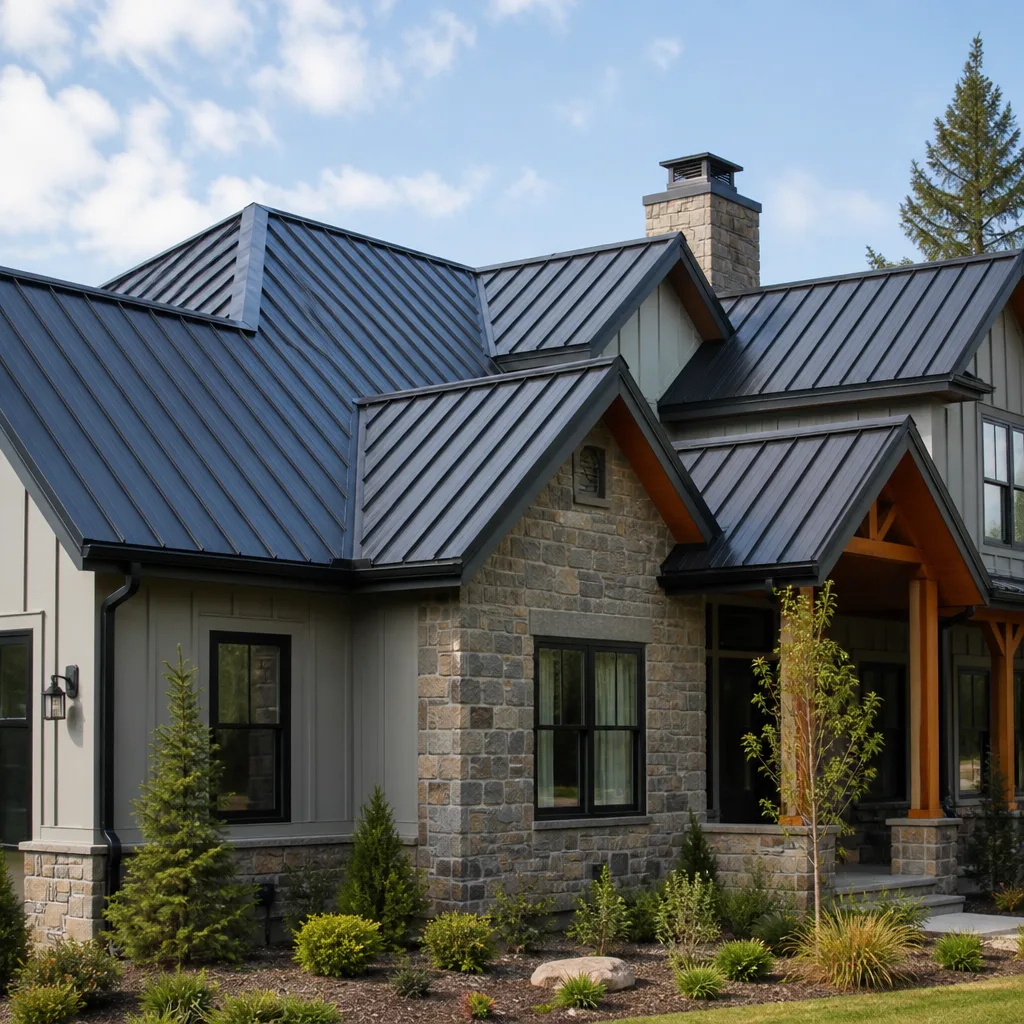
 Metal roofing
 Architectural shingles
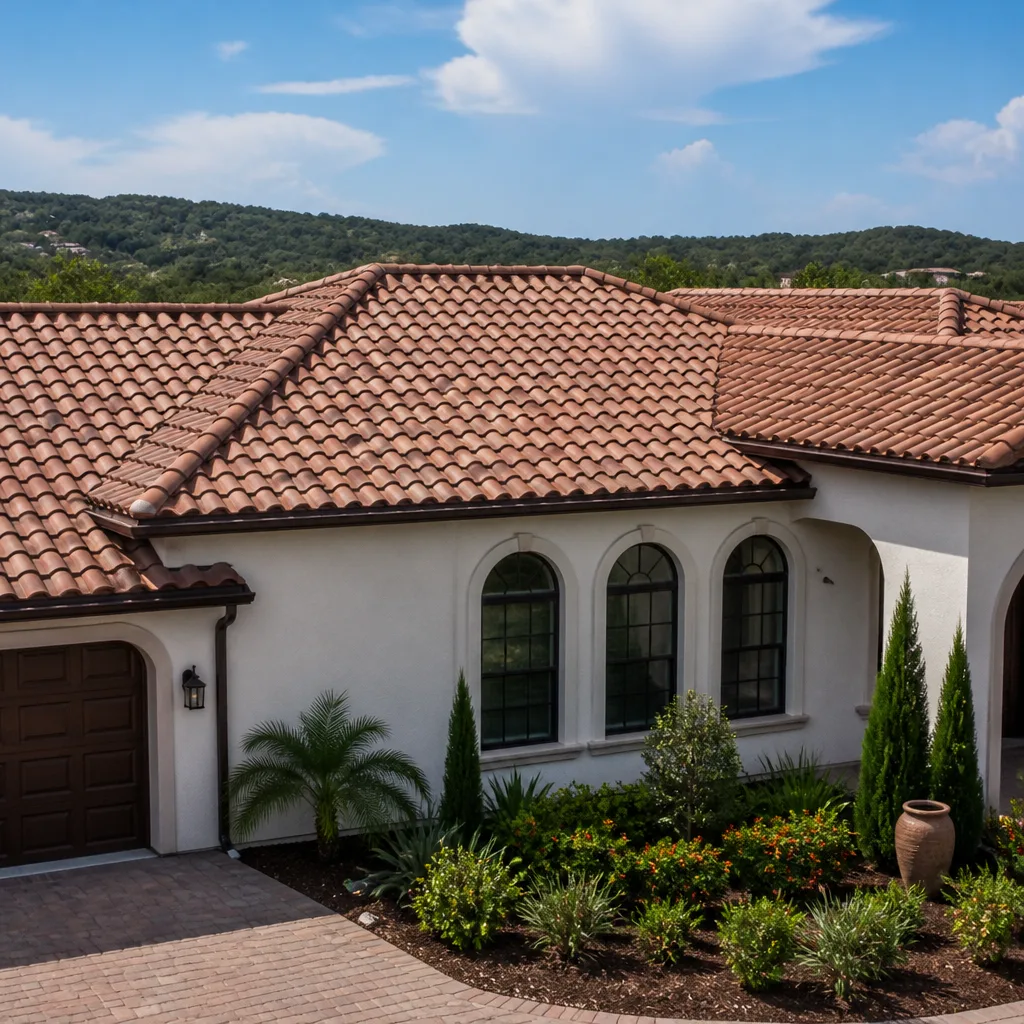 Tile roofing
 GAF
GAF Owens Corning
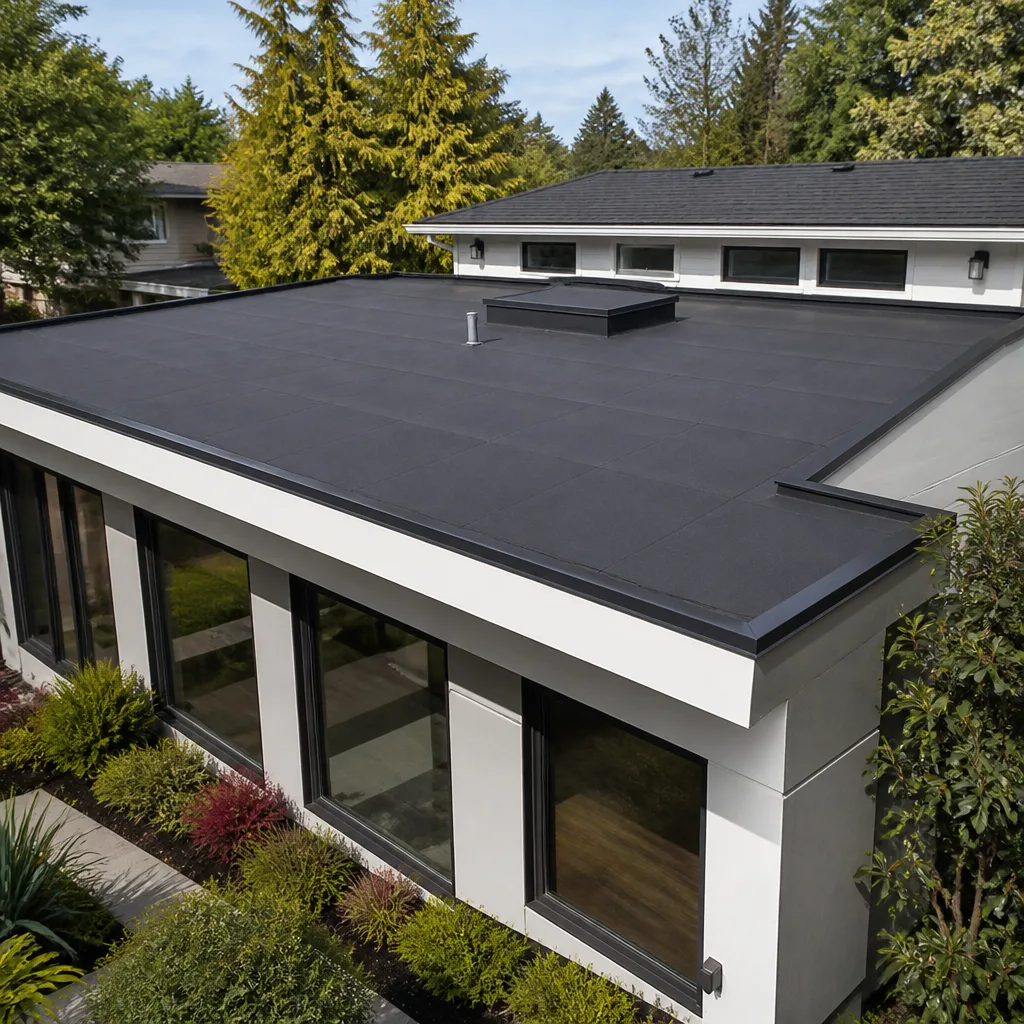 Flat & low-slope
Free roof inspection with deck photos before we talk money - GAF and Owens Corning certified installation
CertainTeed Flashing Replacement: The Austin Owner’s Guide
CertainTeed flashing replacement in Austin typically runs $250 to $650 installed depending on the flashing type, roof pitch, and how much surrounding shingle work is required. We stock CertainTeed-compatible flashing on our trucks and can usually complete the swap the same day we diagnose it. Most Austin homeowners find out their flashing has failed after a storm, when a water stain shows up on a ceiling or along a window frame, or during a roof inspection that catches rust and lifted edges before the leak gets that far.
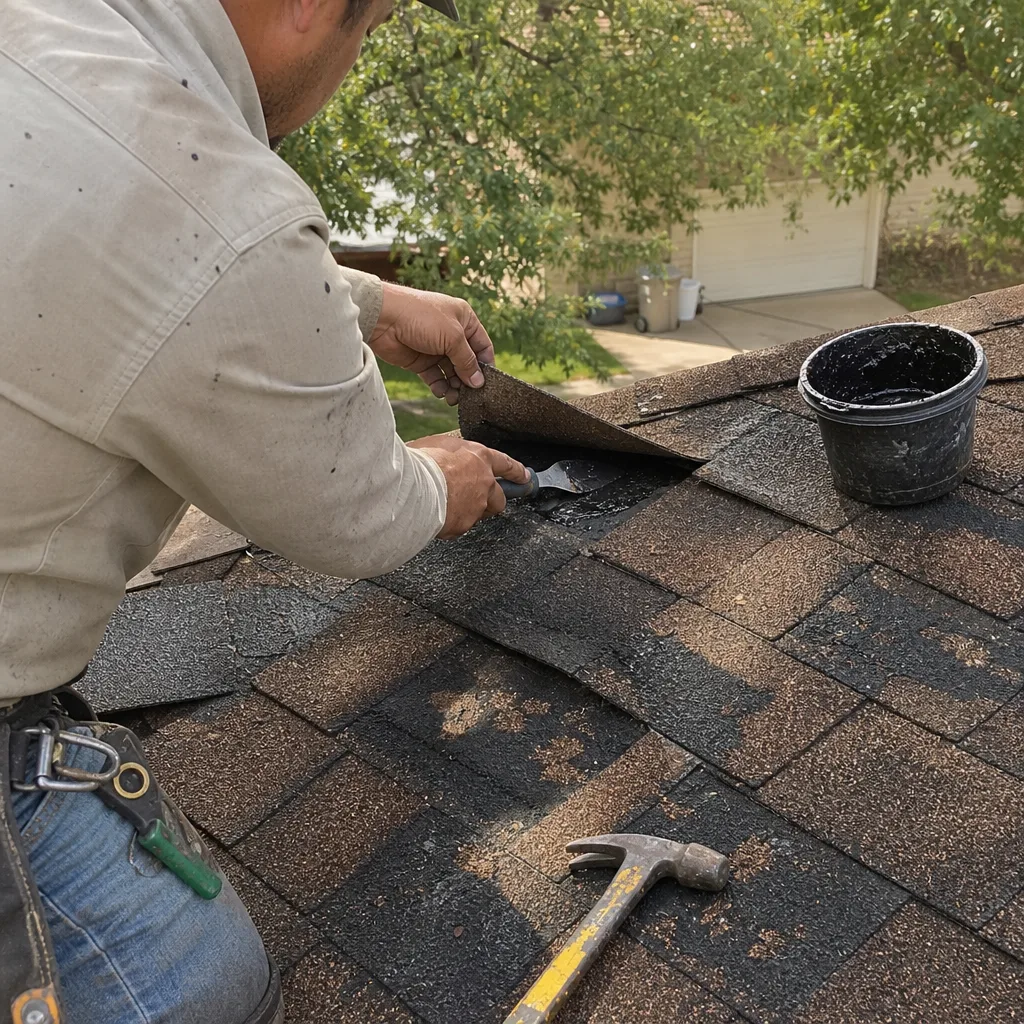
Flashing is the metal or synthetic material that redirects water at every roof transition: chimneys, skylights, valleys, vent pipes, sidewalls, and eaves. CertainTeed makes flashing components sized to work with their shingle lines, and when one piece fails, water follows gravity into places it shouldn’t be. We see it every week in Austin, and we’ve gotten very direct with homeowners about it because the fix is usually straightforward if you catch it before the decking underneath starts rotting.
Which CertainTeed Models This Applies To
CertainTeed flashing is designed to pair with their asphalt shingle systems, including the XT 25, Landmark, Landmark Pro, NorthGate, Grand Manor, and Presidential Shake lines. The flashing itself falls into a few categories: step flashing for sidewalls and chimneys, valley flashing for roof intersections, pipe boot flashing for plumbing vents, and drip edge for the eaves and rakes. CertainTeed’s Integrity Roof System includes prefabricated flashing accessories, but a lot of Austin homes have custom or field-bent flashing that was installed with CertainTeed shingles years ago and now needs matching.
The compatibility gotcha we warn Austin owners about: not all “white metal” flashing is identical. CertainTeed shingle lines have different exposure heights, and step flashing sizes like 5×7 or 5×9 need to correspond to the shingle course so water never wicks backward. Cheap big-box flashing is often 26-gauge or thinner; CertainTeed flashing and quality OEM-equivalent is typically 28-gauge steel minimum, with many Austin roofers preferring 26-gauge in areas with dramatic freeze-thaw cycles. If the flashing was field-formed on the roof decades ago, you’ll want to match both the metal type and the profile, not just the brand name on the shingle bundle.
We’re an independent Austin roofing company. We work with CertainTeed-compatible flashing every day, but we’re not a CertainTeed corporate entity or an exclusive CertainTeed dealer. We also stock parts for GAF and Owens Corning roofs, so if you’re not certain whether the flashing on your roof is still under a manufacturer warranty or whether it’s an OEM part versus a quality aftermarket equivalent, we’ll tell you honestly before quoting anything.
Styles & brands we work with
Signs Your CertainTeed Flashing Replacement Is Failing
- Water stain on an interior ceiling or wall near a roof transition. This usually means step flashing behind a chimney or sidewall has lifted or corroded, and water is traveling along the framing before it shows up inside. The stain is often far from the actual breach, which is why a roofer’s eye beats a guess.
- Rust streaks, pinholes, or thinning metal on exposed flashing. Austin’s hard rains, intense sun, and hail cycles wear flashing down faster than the shingles themselves. Once metal rusts through, it’s not repairable with caulk; replacement is the only reliable fix.
- Lifted or crinkled flashing edges after a storm. High winds and hail can fold step flashing upward or break the seal where flashing meets the shingle. If you can see daylight under a flashing leg from the ground, water’s getting in.
- Granule loss or shingle damage specifically concentrated around vents, skylights, or chimneys. Flashing failure doesn’t always show on the metal; it often shows on the shingles above it, which take more water because the flashing isn’t diverting anything.
- Damp attic sheathing or mold smell near the roofline. Small flashing leaks often stay invisible from outside and only show as damp plywood or a musty odor in the attic. If you’re up there after a rain, check around the pipe boots and chimney corners first.
See the difference
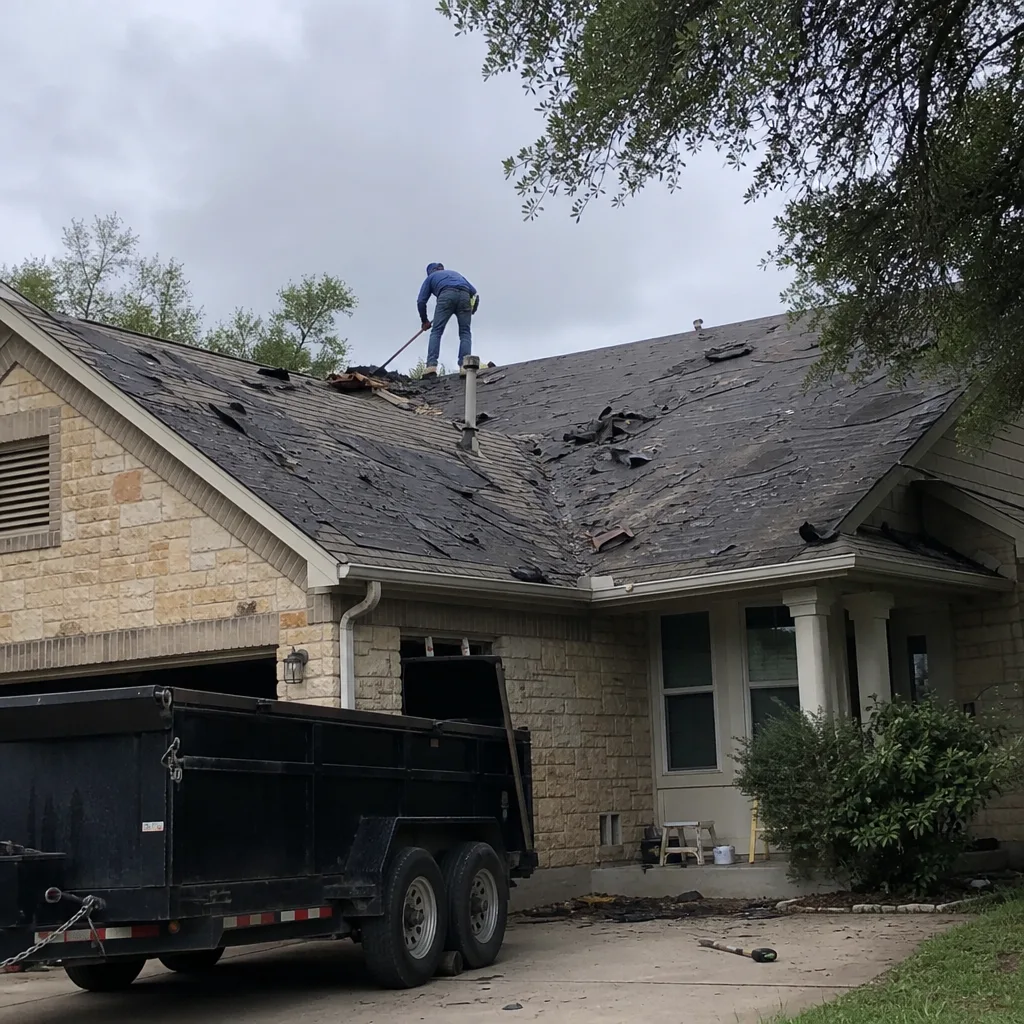 Before
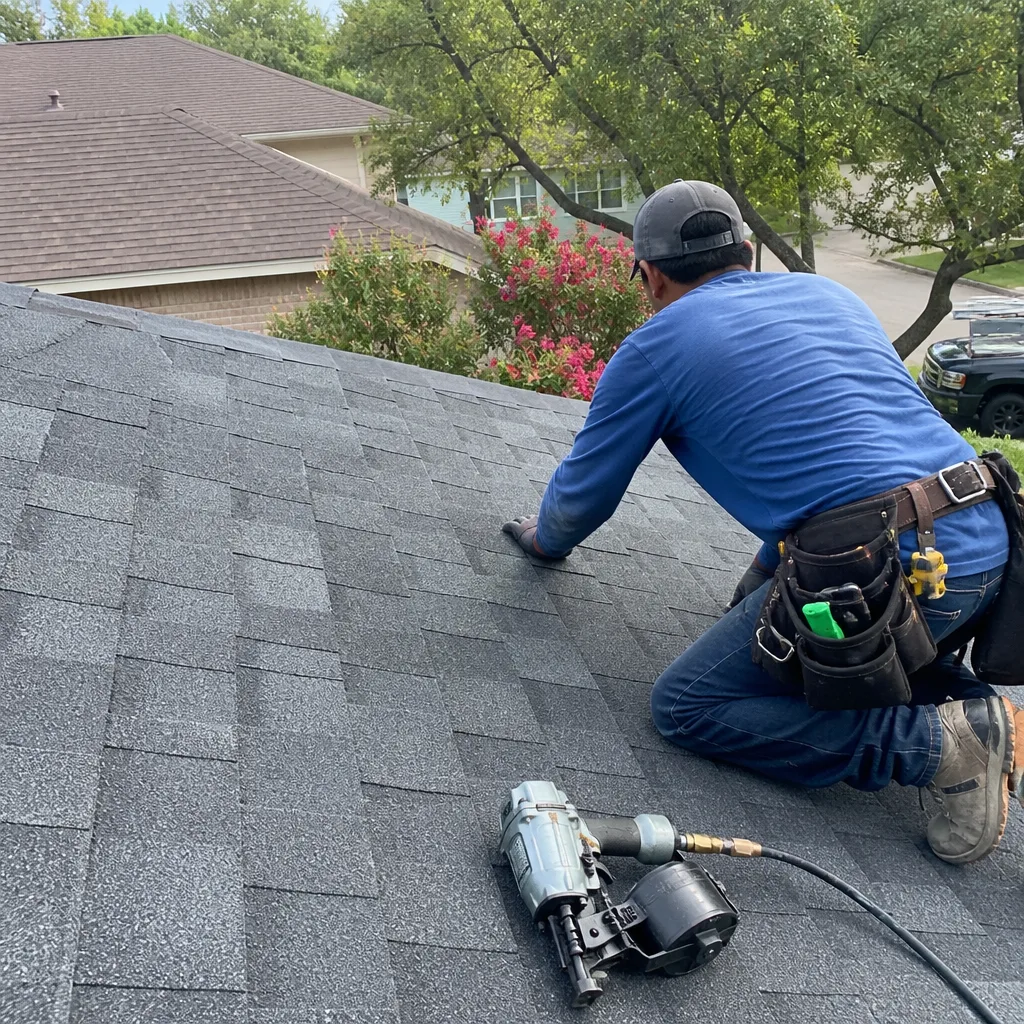 After
After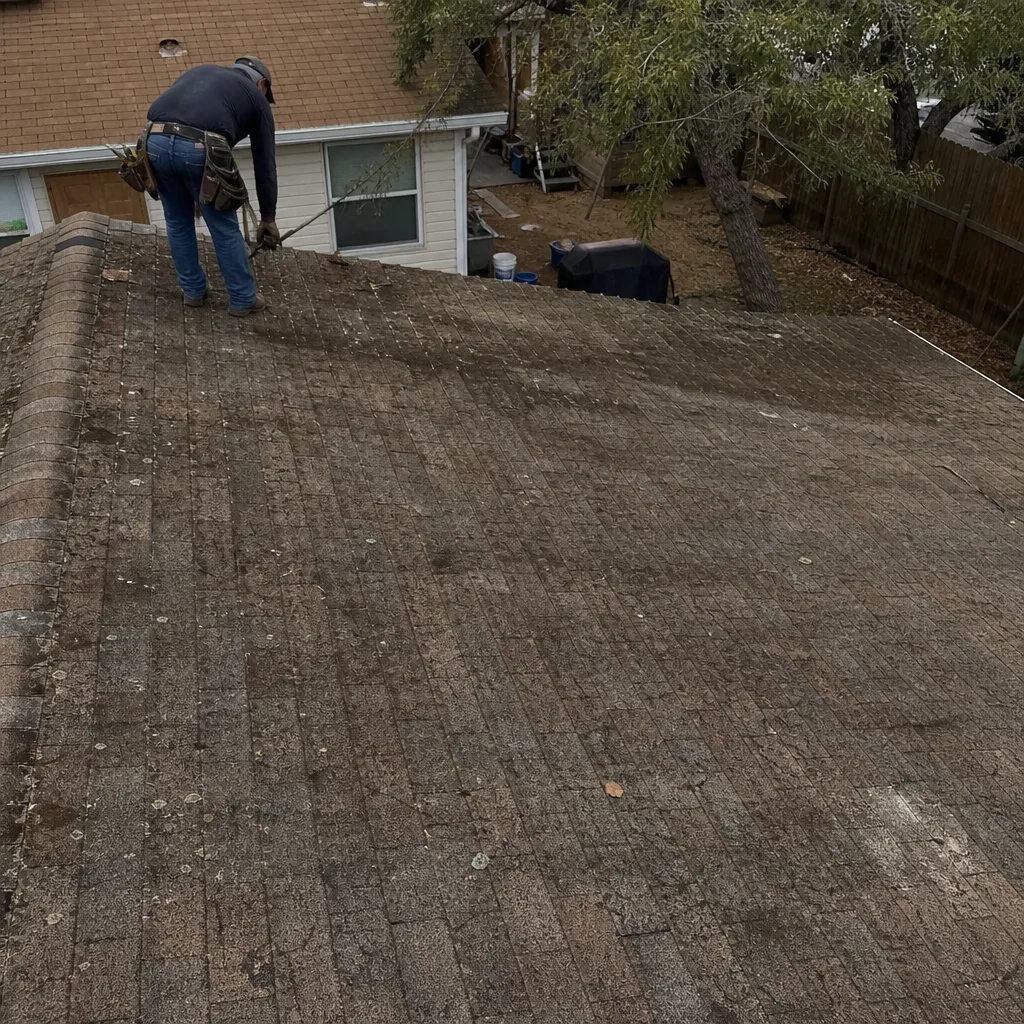 Before
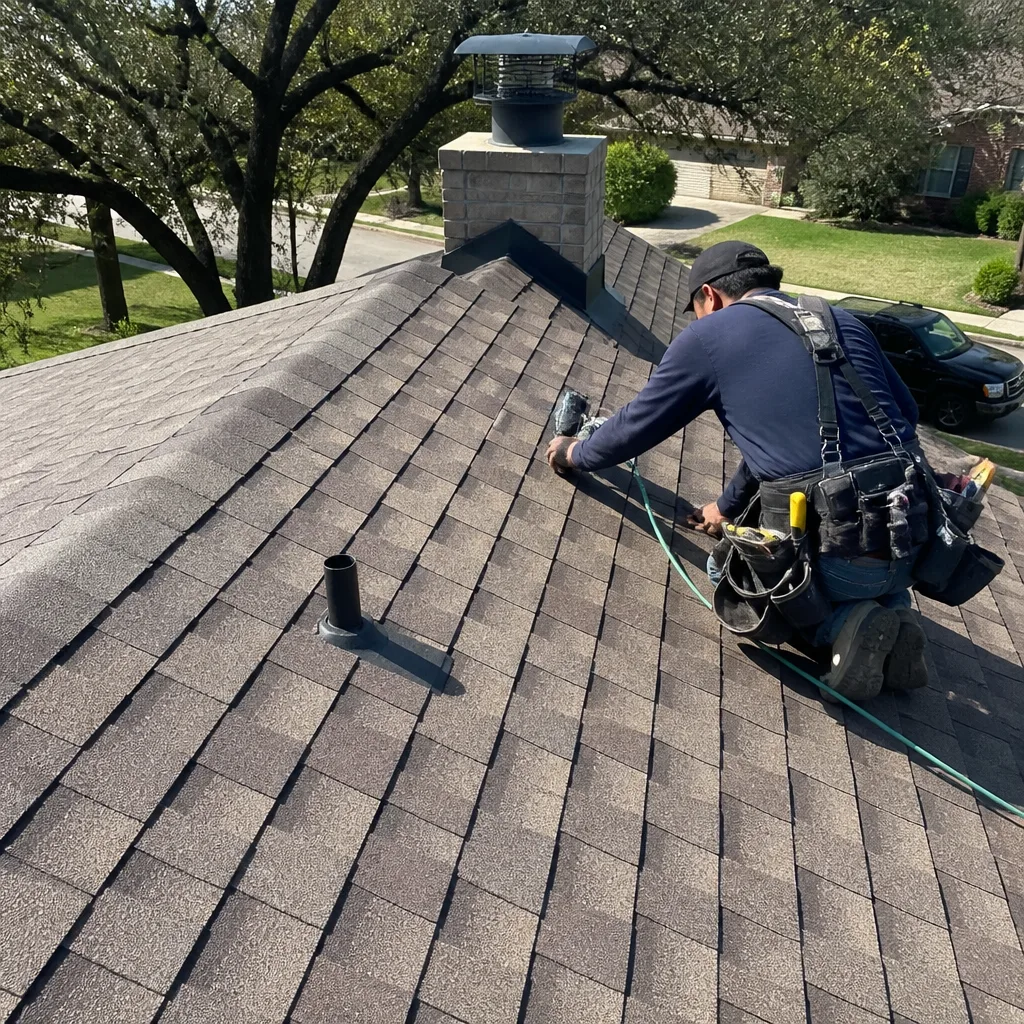 After
After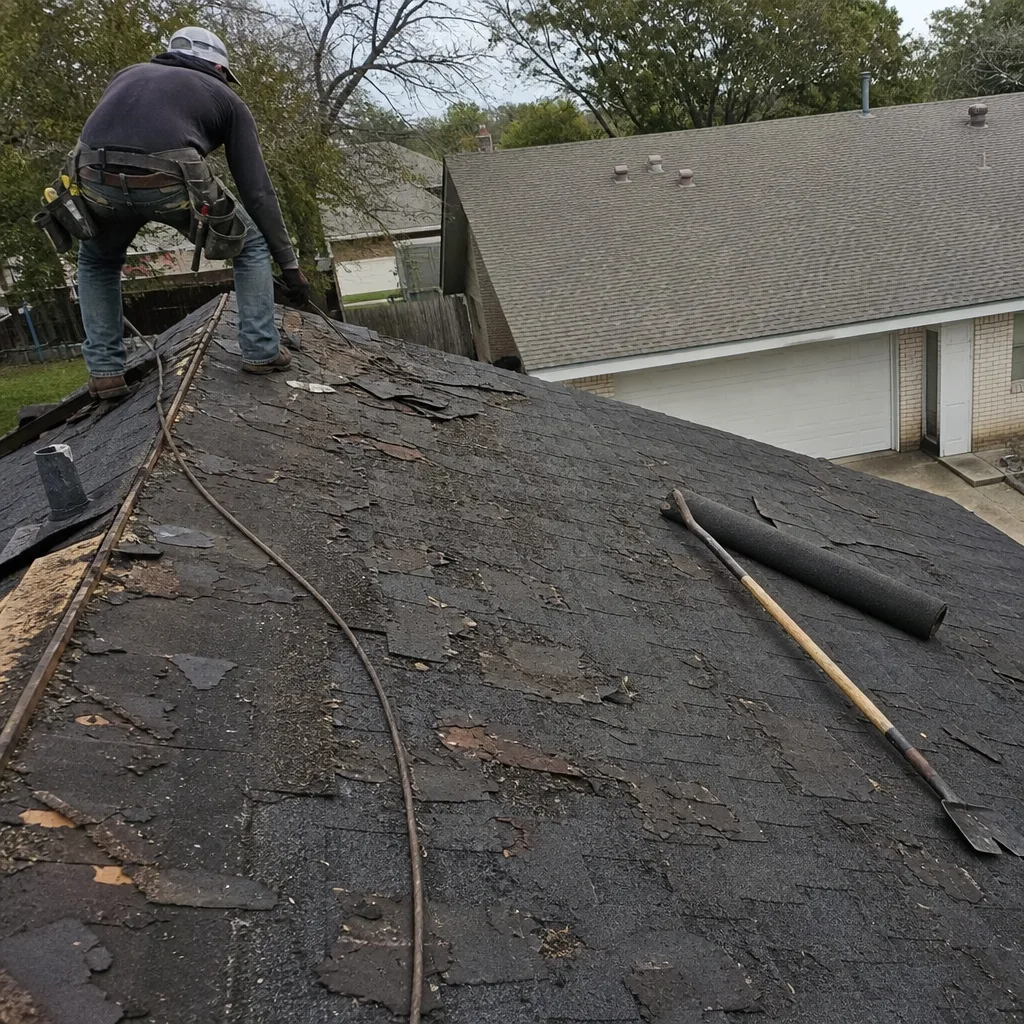 Before
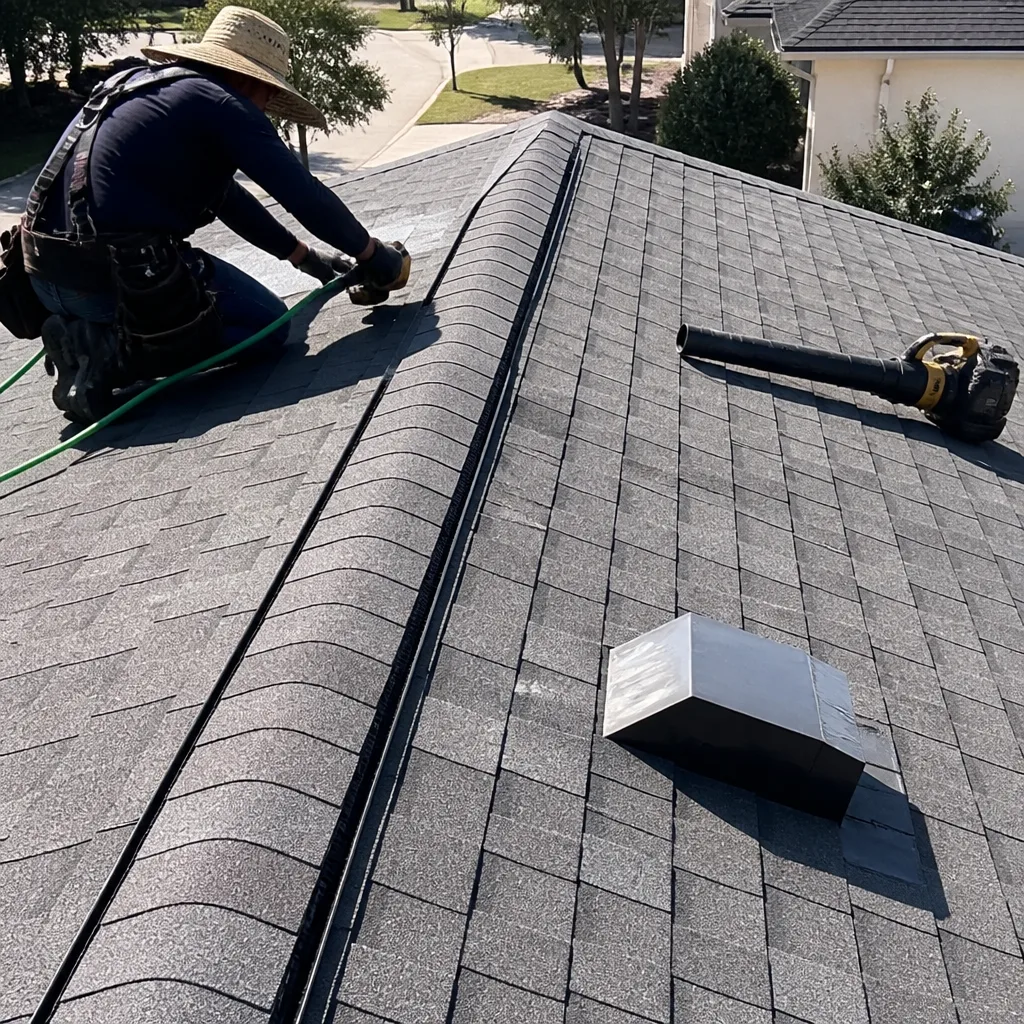 After
AfterReplacement Cost & What’s Included
CertainTeed flashing replacement in Austin generally lands between $250 and $650 installed when we’re replacing a single failure point and the surrounding shingles are still healthy. That range includes the flashing material, removal of the failed piece, any necessary shingle lifting or replacement around it, sealing, and cleanup. If the decking underneath is rotted, or if multiple flashing points need work, the total climbs and we’ll show you the breakdown before any work starts. Written estimates are free, and the price we quote is the price you pay; we don’t do change orders unless you ask us to expand the scope.
Every flashing replacement we perform includes our written 365-Day Done Right Promise. If your flashing repair fails within a year, we come back and make it right at no cost, including a free second visit. That’s the guarantee Grant Whitlock sends with every tech who puts boots on your roof. We don’t just say we guarantee the work; we put the guarantee in your hand before any nails go in.
DIY or Call Us?
You can safely inspect from the ground or from a ladder resting against the gutter: look for rust, lifted edges, or visible gaps at the flashing points. You can also go into the attic with a flashlight after a rain and look for damp wood near vents and transitions. Those are smart homeowner checks, and they’ll help you describe the problem when you call.
What we don’t recommend is working on flashing from the roof surface. Steep Austin pitches, moss and algae on shingles, and the realities of working with a nail gun above your head make this genuinely dangerous work. Flashing replacement also requires getting under existing shingles without tearing them and making sure the nails land on the right part of the shingle. If you get it wrong, you’ve got a new leak on top of the old one. Call us at (361) 202-8874 for a free estimate, and we’ll be out with a written price and a repair plan.
FAQs
In Austin, flashing generally lasts 15 to 25 years, but local conditions shorten that by a lot: repeated hail, long UV exposure, and periods of standing water after heavy rain are the three big ones. We’ve seen CertainTeed roofs in good shape with flashing that rusted out in under 15 years. Call (361) 202-8874 for an inspection if you suspect yours is at that stage.
Small lifted seams can sometimes be re-secured and caulked, but rusted, torn, or badly folded flashing should not be patched; it needs replacement. If our tech can repair it honestly, we’ll tell you. If patching it will buy you a few months only, we’ll tell you that too. Call (361) 202-8874 for an exact quote.
Most single-point flashing replacements take two to four hours once we’re on the roof, including lifting surrounding shingles, fitting the new piece, sealing, and cleanup. Multiple flashing points or rotted decking add time, and we’ll tell you before we start what the full timeline looks like. Call (361) 202-8874 for a free estimate.
We keep common CertainTeed-compatible flashing sizes and profiles on our trucks, including step flashing, pipe boots, and drip edge. If a specialty profile needs to be ordered for certain architectural shingle designs, we’ll let you know the lead time before you commit to anything. Call (361) 202-8874 and we’ll check stock and schedule the visit.
Written by Grant Whitlock, Owner, Mercer Roofing Co Austin at Mercer Roofing Co Austin, serving Austin and nearby areas.