
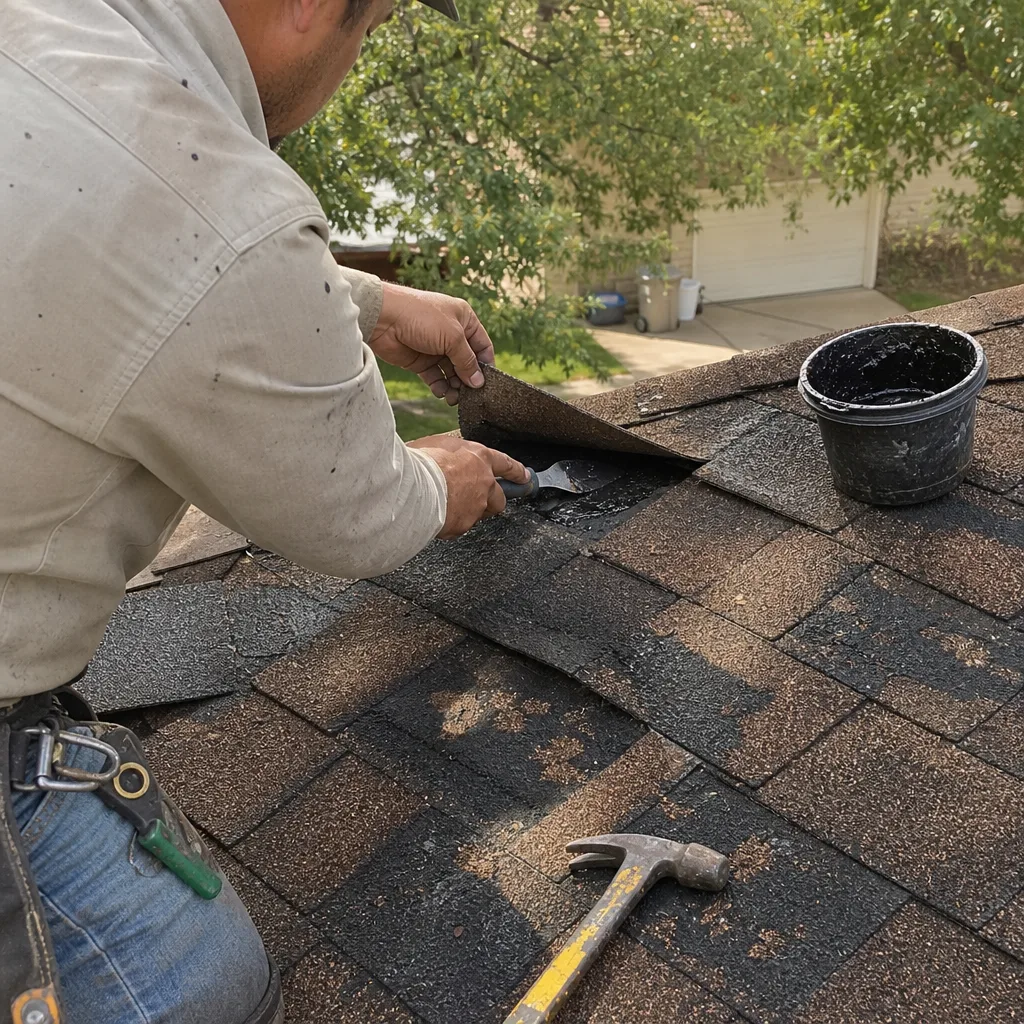
Last updated October 17, 2026
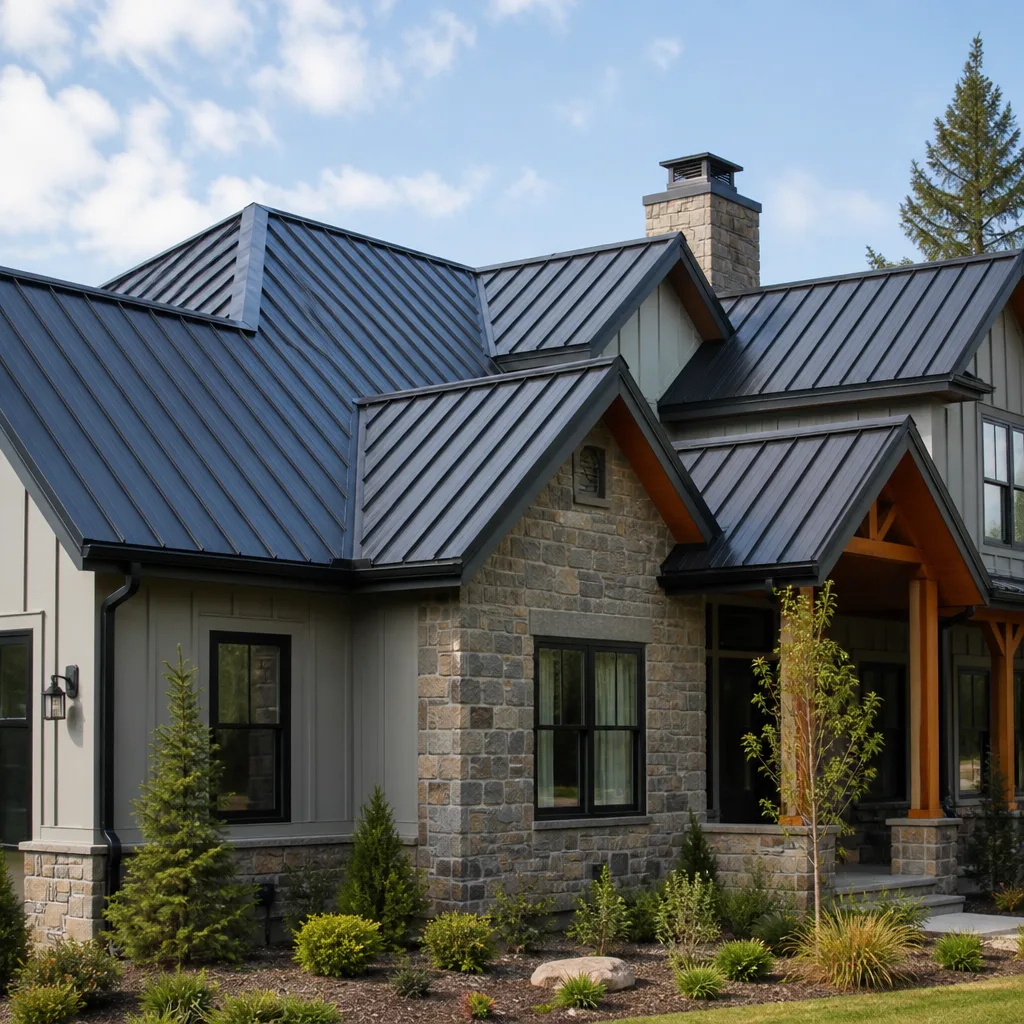 Metal roofing
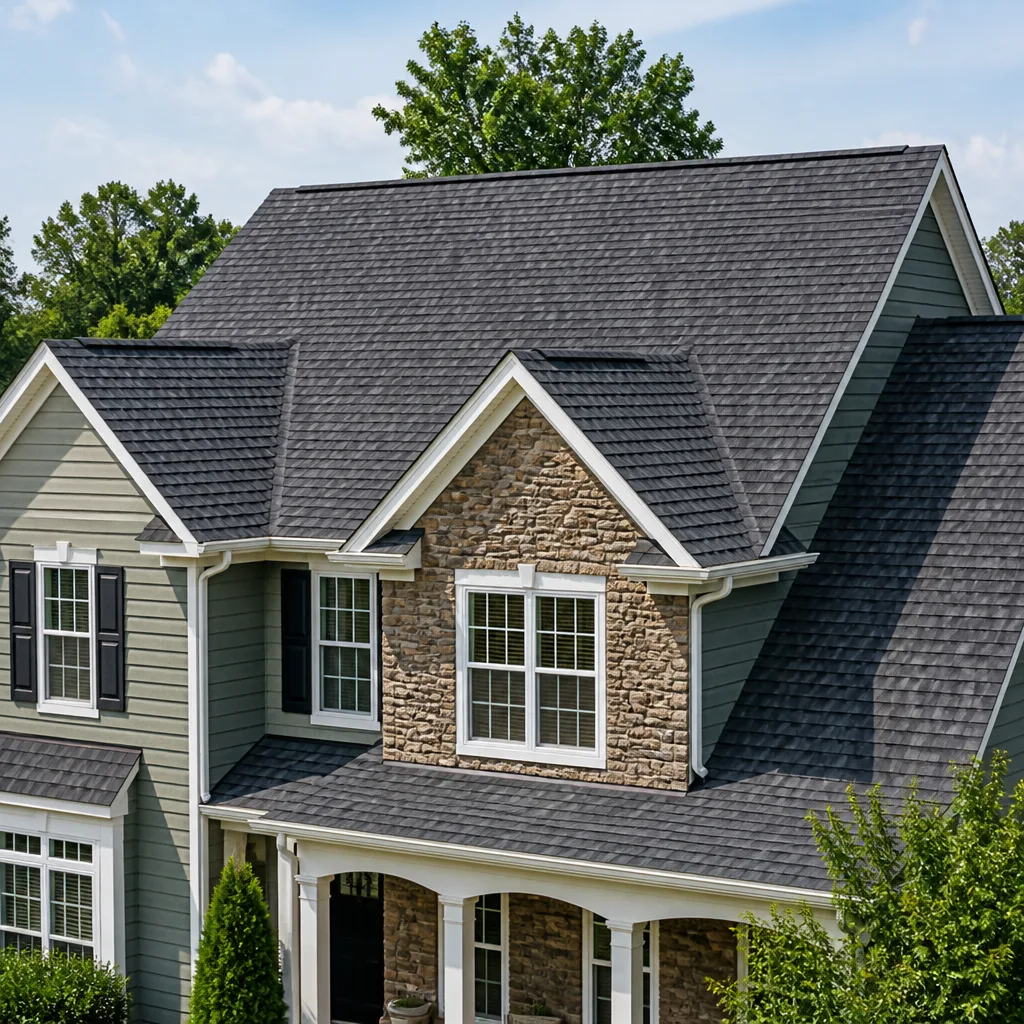 Architectural shingles
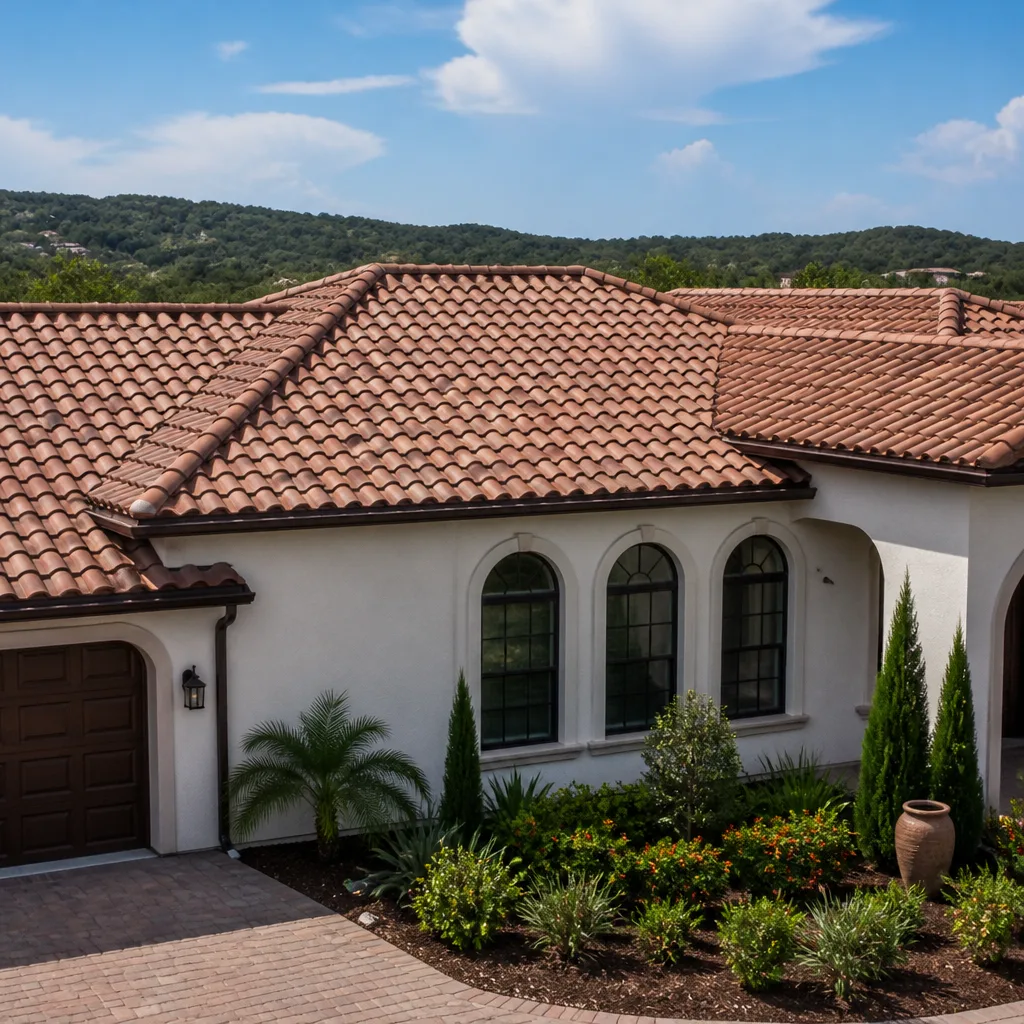 Tile roofing
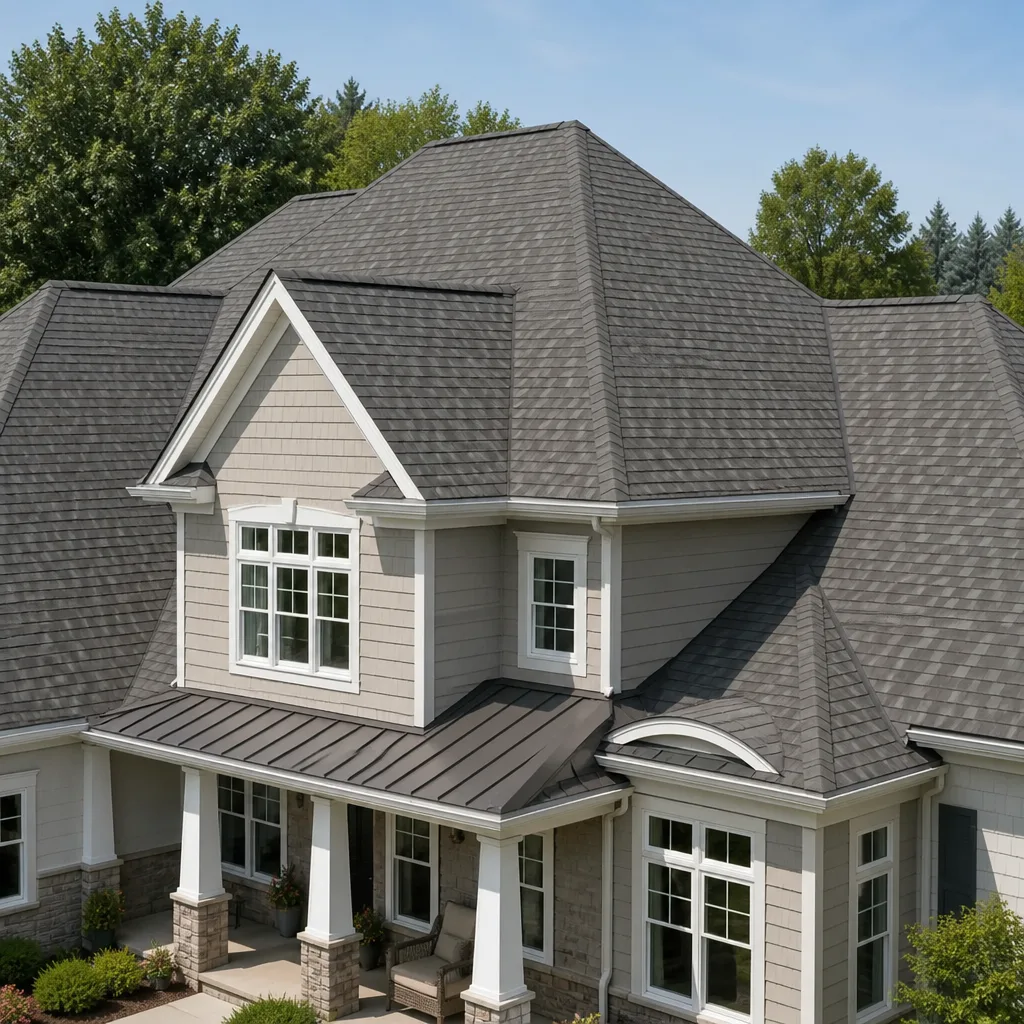 GAF
GAF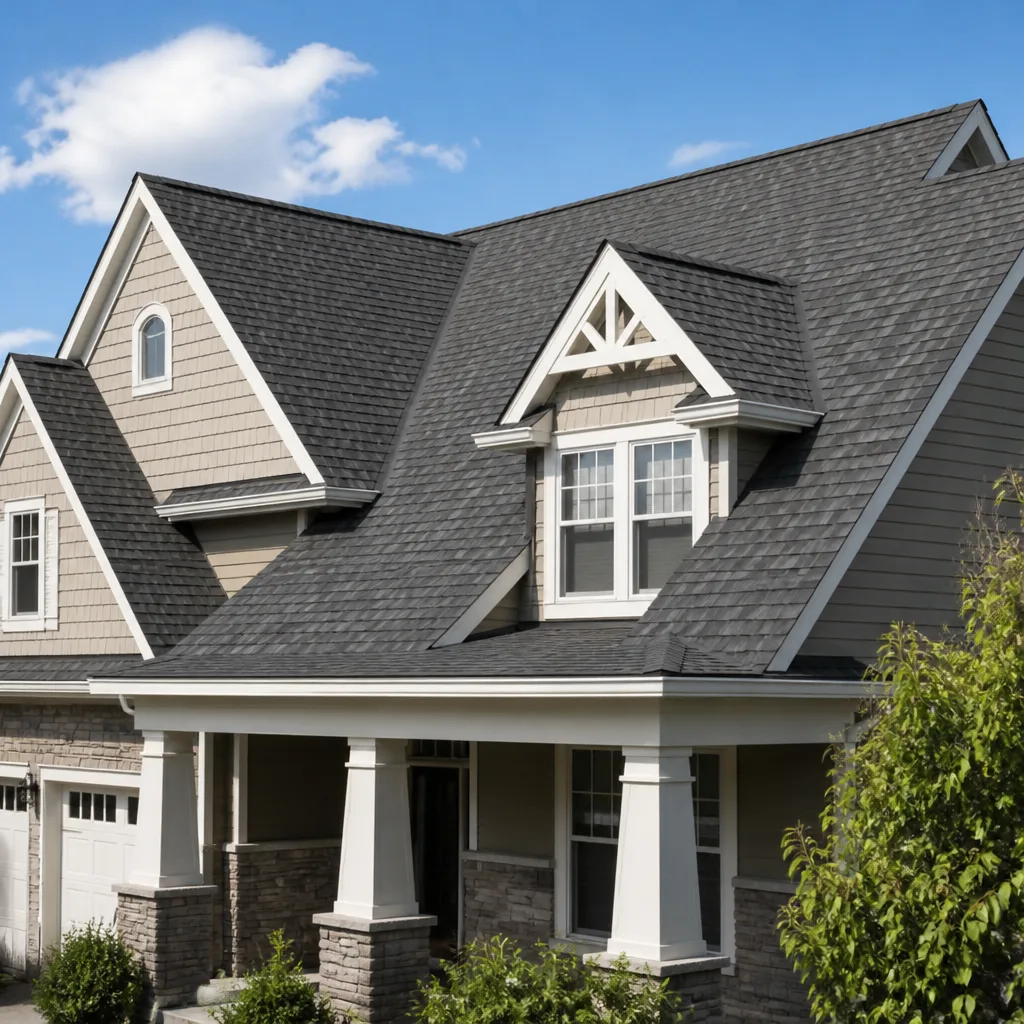 Owens Corning
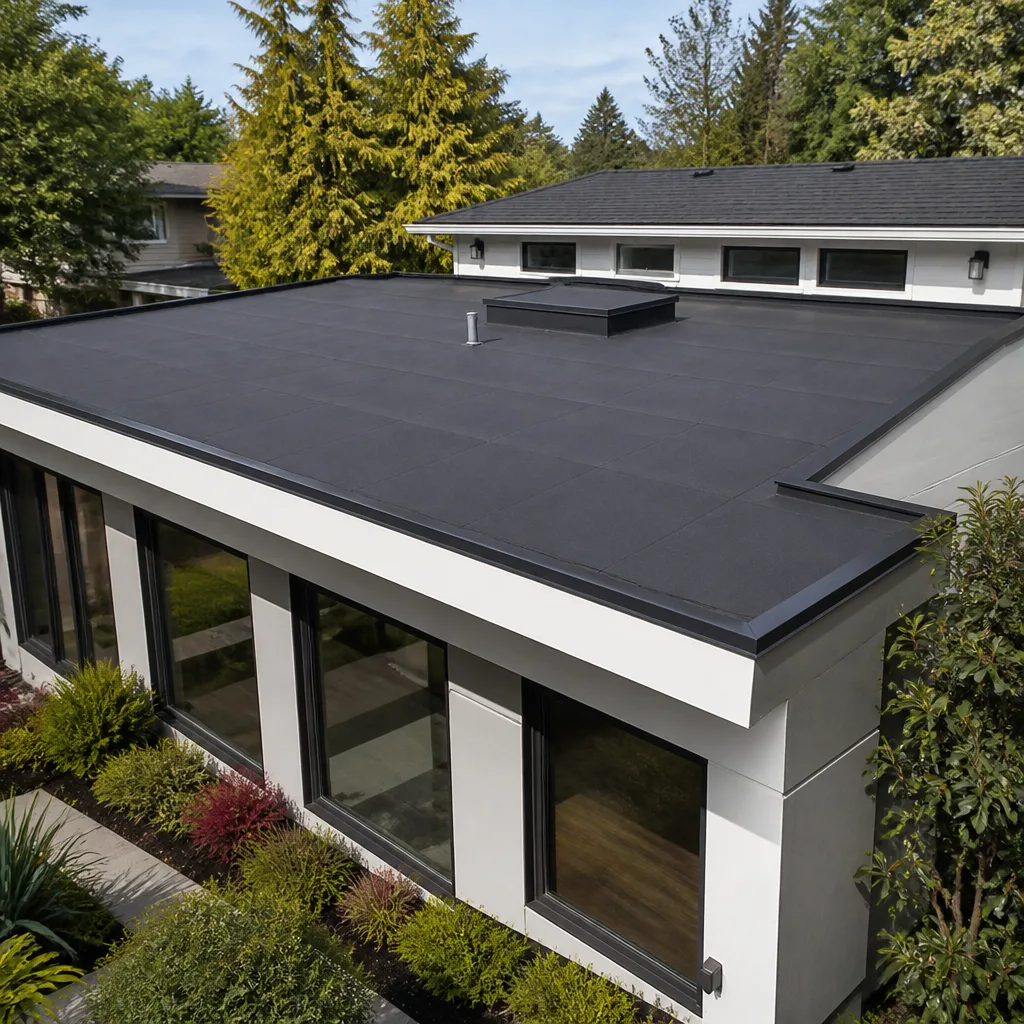 Flat & low-slope
Free roof inspection with deck photos before we talk money - GAF and Owens Corning certified installation
DIY vs Professional Roofing: The Austin Homeowner’s Decision Guide
A homeowner in Austin who DIY-repairs more than 25% of their roof surface without a permit may be required to disclose that as unpermitted work at sale. That fact appears in zero DIY roofing tutorials, but it shows up in every Texas real estate disclosure form. This guide will walk you through the real decision factors: Austin’s permit thresholds, the warranty clauses hiding in shingle manufacturer fine print, the physics of working on a 160-degree roof in July, and a four-question framework that tells you, within five minutes, whether your specific repair belongs in the DIY bucket or the contractor column. We’ll be honest about what’s actually manageable on a Saturday morning and what isn’t.
Styles & brands we work with
Quick Answer
For most Austin homeowners, small, isolated fixes like replacing one or two missing shingles on an accessible slope or resealing a pipe boot collar can be reasonable DIY projects if you have the right tools and a second person on the ground. But anything involving flashing, decking, valleys, more than a few shingles, or any work that exceeds Austin’s permit thresholds should go to a licensed contractor, because the cost of doing it wrong is a voided manufacturer warranty, a permit problem at closing, or a fall from a roof that’s hot enough to burn skin. If you’re unsure which category your repair falls into, read our How to Hire a Roofing Contractor in Austin: A Step-by-Step Guide or call a roofing professional and ask for a written assessment before you climb a ladder.
Table of Contents
- Austin Permit Thresholds: Where DIY Legally Stops
- The Warranty Clause That Voids Coverage on Self-Installed Materials
- What’s Actually Safe to DIY: Three Repairs That Stay in Your Lane
- Austin Heat and Roofing: The Safety Math Nobody Puts in Tutorials
- What Requires a Professional: The Repairs That Protect Your Home and Your Resale Value
- The Four-Question Decision Matrix
- Real Cost Comparison: DIY vs Professional in Austin
- Common Mistakes to Avoid
- When to Call a Professional
- Frequently Asked Questions
- The Bottom Line
Austin Permit Thresholds: Where DIY Legally Stops
Austin’s residential building code draws a line between maintenance and permitted work, and that line is not where most homeowners assume it is. In the City of Austin, a roofing permit is required when the repair scope exceeds 25% of the roof surface area, or when any structural decking, sheathing, or framing is replaced. That threshold matters because it turns a “weekend project” into a regulated construction activity subject to inspection, and unpermitted work that exceeds the threshold becomes a disclosure item when you sell the home.
Here’s the practical breakdown:
- Under 25% of roof surface, no structural components touched: Generally treated as maintenance or minor repair. No permit required in Austin. This is the DIY-eligible zone, assuming the work matches your skill level and you follow manufacturer installation specs exactly.
- Over 25% of roof surface, or any replacement of decking, rafters, or trusses: A permit is required, and the work must be inspected by the City of Austin. DIY work in this category creates a title-transfer liability because the unpermitted status must be disclosed under Texas Property Code seller’s disclosure requirements.
- Full roof replacement: Always requires a permit in Austin, along with a final inspection. No licensed roofer would install a full roof without pulling the permit, and a homeowner who does it themselves is creating a future closing problem and likely voiding the shingle warranty in the same afternoon.
One thing we’ve seen repeatedly in Austin neighborhoods like Allandale, Rosedale, and Mueller: sellers discover the hard way that a previous owner’s unpermitted roof patch over 25% of the surface becomes a negotiation point, a price reduction, or a deal-killer during escrow. Title companies and buyer’s agents now routinely pull permit history during due diligence. A $400 DIY weekend in 2019 can become a $4,000 concession in 2026. Our team at Mercer Roofing Co Austin handles roof repair in Austin with permits pulled and inspections passed on every job that requires them, specifically so homeowners never inherit that disclosure problem.
The Warranty Clause That Voids Coverage on Self-Installed Materials
Most major shingle manufacturers, including GAF, CertainTeed, and Owens Corning, include a clause in their warranty documentation stating that coverage applies only when the materials are installed by a licensed or manufacturer-certified contractor according to the published installation specifications. The exact language varies by brand and product line, but the practical outcome is consistent: if you buy a bundle of architectural shingles from a big-box store and nail them on yourself, the manufacturer’s material warranty is void. You’re fully self-insured from the day the last nail goes in.
This matters more than most homeowners realize. A quality architectural shingle carries a 30-year to lifetime manufacturer warranty, prorated after the initial coverage window. That warranty covers material defects like premature granule loss, cracking, and manufacturing flaws that cause leaks. Here’s how the three most common scenarios play out:
- Homeowner buys shingles at retail and installs them personally: Warranty void. If the shingles fail in year three, the manufacturer will not replace them and will not reimburse installation costs. You buy a new roof again.
- Homeowner hires an unlicensed handyman who installs the shingles: Warranty void for the same reason. The manufacturer requires certified installer documentation, and a handyman without manufacturer certification cannot provide it.
- Homeowner hires a licensed contractor who is manufacturer-certified: Full warranty coverage applies, and in some cases the contractor can register the installation for an enhanced system warranty that includes labor coverage, not just materials.
CertainTeed, for example, offers a certification program called CertainTeed Credentialing with tiers that unlock extended warranty coverage. GAF has a similar program for certified contractors that allows for Golden Pledge or Silver Pledge system warranties covering workmanship as well as materials. Tamko and Boral have their own certification pathways. If you want warranty coverage that actually pays out, the installer’s certification status is the controlling variable, not the quality of the shingle itself.
Before you buy any shingles for a DIY repair, call the manufacturer’s warranty department or check the product data sheet for the phrase “installation by a qualified contractor” or “professional installation required.” You’ll find it. And if you decide to hire a professional for a larger job, ask for the contractor’s manufacturer certification number and verify it with the brand before you sign. A legitimate roofing company in Austin will give you that documentation without hesitation.
What’s Actually Safe to DIY: Three Repairs That Stay in Your Lane
We believe in honest advice, including telling homeowners when a repair is genuinely manageable on their own. These three repair categories are the ones where the risk profile, skill requirement, and permit rules all line up in the homeowner’s favor. If your repair is one of these, and you have the right safety setup, DIY is a reasonable choice.
1. Replacing 1 to 3 Missing Shingles on an Accessible Slope
A single missing shingle on a low-slope section of roof, reachable from a ladder without standing on the roof edge, is the classic DIY repair. The shingle is visible, the damage is isolated, and the replacement process involves removing the damaged shingle’s nails, sliding in a replacement, and securing it with roofing nails placed under the overlapping tab. The key is matching the shingle brand and color, using the correct nail pattern from the manufacturer’s installation guide, and sealing the tab. If the slope is walkable and the weather is cool, this is a two-hour job for a careful homeowner.
2. Resealing a Pipe Boot Collar
Roof penetrations like plumbing vent pipes are sealed with a rubber boot collar that degrades in Austin’s UV exposure, typically within 8 to 12 years. When the rubber cracks, water follows the pipe into the attic. Resealing a pipe boot with a compatible roofing sealant, or replacing the boot collar if the rubber is fully cracked, is a contained repair that doesn’t touch structural components. The critical detail is using the right sealant: polyurethane or butyl-based roofing sealant, not silicone caulk from the hardware aisle. The secondary detail is confirming the pipe boot is firmly seated and the flashing is tucked under the shingle above it, not caulked over it.
3. Clearing Soffit and Gutter Debris That Affects Roof Drainage
Austin’s live oaks and pecan trees drop leaves, twigs, and acorns into gutters and soffits from October through February. Clogged soffit vents reduce attic ventilation, which shortens shingle life by overheating the roof deck in summer. Clearing debris from gutters and soffit vent screens is a maintenance task that requires a ladder, gloves, and no roofing knowledge. This is not a repair, but it prevents repairs, and it’s squarely in the DIY column for any homeowner comfortable on a ladder-add it to your Roof Repair Maintenance Checklist for Austin Homeowners.
If your repair is one of these three, you’re in the reasonable DIY zone. If it’s anything else, keep reading.
Austin Heat and Roofing: The Safety Math Nobody Puts in Tutorials
Roofing in Austin in the summer is a different activity than roofing in most other places in America. The surface temperature of an asphalt shingle roof in direct July sun in Austin regularly exceeds 160°F. That’s hot enough to cause a second-degree burn on bare skin in under one second of contact. It’s hot enough that the shingles themselves soften, which means foot traffic tears granules off the surface and reduces the shingle’s lifespan. And it’s hot enough that the air just above the roof surface is a convection oven, which is why heat exhaustion for someone not acclimated to it sets in fast, sometimes within 30 minutes of continuous exposure.
The heat risk is not about toughness. It’s about physiology. An untrained homeowner on a 160°F roof surface in Austin in July is experiencing core temperature rise at a rate that most people have never encountered. Symptoms of heat exhaustion, including nausea, dizziness, and confusion, impair judgment before the person realizes they’re in trouble. Impaired judgment on a sloped surface with a 20-foot fall on one side is a dangerous combination. OSHA’s heat illness prevention guidelines recommend work-rest cycles for roofers in high-heat conditions, and those guidelines exist because professional roofers, who do this every day, have died on roofs in Texas heat.
Our technicians at Mercer Roofing Co Austin follow specific heat protocols during Austin summers: early morning starts when feasible, hydration schedules, cooling breaks, and a second person on site for any roof work. That’s not because we’re cautious; it’s because we’ve seen what a hot Austin roof does to a person who underestimates it. If you’re planning a DIY roof repair, do it in October, November, March, or April. Do not do it in July or August. The cost of waiting is zero. The cost of heat illness is not.
What Requires a Professional: The Repairs That Protect Your Home and Your Resale Value
Certain repairs carry consequences beyond the immediate leak pattern. They affect the structural integrity of the roof system, the warranty status of your materials, and the future sale of the home. These are not DIY-optional. These are professional-only repairs, and here’s why each one lands in that column.
Flashing Replacement and Repair
Flashing is the metal material that seals the roof’s transitions: chimneys, skylights, dormers, valleys, and wall intersections. When flashing fails, which it does gradually over 15 to 25 years in Austin’s temperature swings, water enters the roof system at the most vulnerable points. Fixing flashing is not a straightforward replacement job. It requires cutting and bending metal to fit the specific geometry of the transition, removing shingles around the penetration without damaging the surrounding field, and installing the new flashing with a watertight integration into the underlayment. Done wrong, flashing leaks are the most common cause of “we fixed the roof and it still leaks” callbacks. This is a professional repair because the diagnostic step alone, finding where the flashing is actually failing versus where the water is emerging, often requires attic inspection and water testing.
Decking or Sheathing Replacement
Roof decking is the plywood or OSB layer beneath the shingles and underlayment. When decking rots from long-term moisture exposure, which happens in Austin homes with older roofs and poor attic ventilation, the structural surface the shingles attach to is compromised. Replacing decking involves removing the shingles and underlayment over the affected area, cutting out the damaged sheathing, installing new sheathing to match the thickness and span rating, and re-nailing everything to code. In Austin, any decking replacement triggers the permit threshold and requires inspection. A homeowner doing this work themselves is replacing structural components without a permit, without an inspection, and likely without the framing knowledge to know whether the rafters beneath the decking are also damaged.
Valley Leak Repairs
Roof valleys are the V-shaped channels where two roof planes meet, and they channel more water than any other part of the roof. Austin’s periodic heavy rainstorms, the kind that drop an inch in thirty minutes, concentrate thousands of gallons of water through the valleys. A valley leak repair requires removing shingles from both planes, inspecting the valley flashing or woven shingle detail underneath, and rebuilding the valley so water flows cleanly. The failure mode here is subtle: a valley that looks fine from the ground can be failing underneath, and a homeowner who patches the visible shingles without addressing the channel underneath makes the leak worse by redirecting water into a different entry point. Professional valley work also protects the surrounding field from damage during the repair, which matters because damaged shingles around a repaired valley become the next leak.
Chimney and Skylight Re-Sealing
Chimney and skylight flashing failures are among the most misdiagnosed roof leaks in Austin. The visible crack in the sealant around a chimney crown might be the only problem, or it might be a symptom of the entire flashing assembly separating from the chimney due to thermal movement. Skylights in particular have specific flashing systems from each manufacturer, and using the wrong sealant or the wrong replacement flashing kit voids the skylight warranty and often makes the leak worse. This category is professional-only because the diagnostic step differentiates a $300 reseal job from a $3,000 flashing replacement, and getting it wrong means paying for both.
Full Roof Replacement
A full roof replacement is never a DIY project. It’s not a question of skill; it’s a question of scale, code compliance, warranty validity, and safety. A full replacement in Austin requires a permit, a tear-off or overlay decision based on existing layers, decking inspection and replacement where needed, new underlayment, ice-and-water shield in the valleys and eaves, new drip edge, new flashing, new ventilation components, and a final inspection. Roof installation in Austin is a multi-day project for a professional crew with equipment, manufacturer certifications, and a dump trailer. A homeowner attempting a full replacement will take weeks, void every warranty on the materials, and likely create a roof that fails inspection and becomes a disclosure liability at sale. It’s not a cost question at that scale. It’s an asset-protection question.
The Four-Question Decision Matrix
You don’t need to climb onto the roof to figure out which category your repair falls into. These four questions, answered honestly from the ground or with a pair of binoculars, will sort nearly every Austin roofing situation into the right bucket within five minutes.
- How much of the roof surface is involved? If the affected area is under 25% of the total roof surface, you’re in the maintenance zone where no Austin permit is required. If it’s over 25%, or if you’re not sure how to calculate the percentage, the answer is almost certainly professional engagement, because the permit risk by itself justifies a contractor.
- What component is actually damaged? Missing shingles on an accessible slope and cracked pipe boot collars are DIY-eligible. Anything involving flashing, decking, valleys, chimney or skylight integration, or structural framing is professional-only, regardless of surface area. The component determines the risk profile more than the square footage does.
- What does the manufacturer warranty require? If the shingle brand on your roof is GAF, CertainTeed, Owens Corning, Tamko, Boral, or any other major manufacturer, the material warranty requires certified installer documentation for the repair to maintain coverage. A DIY patch on a warrantied roof voids the coverage on the entire roof system, not just the patched section. If your roof is under warranty, hands off.
- What’s the season, and what’s your safety setup? If it’s between May and September in Austin, a DIY roof repair is a heat-risk decision before it’s a skill decision. If you don’t have a roofing ladder, fall protection, a second person on site, and a plan for heat management, the answer is professional, regardless of the repair scope. The value of a preserved warranty and a safe outcome exceeds the cost savings of any DIY repair done in unsafe conditions.
Run those four questions against your specific situation. If the answers point to professional help, call a contractor and get a written estimate. If they point to DIY, do the repair in mild weather with proper safety equipment. The goal of the matrix is to keep you off the roof when you shouldn’t be on it, and to keep you from paying for a contractor when a $40 repair on a cool October morning solves the problem.
Real Cost Comparison: DIY vs Professional in Austin
Money is the reason most Austin homeowners consider DIY roofing, so let’s look at the real numbers without flinching-see our Roofing Cost Breakdown: The Austin Homeowner’s Reference for 2026 for deeper detail. These are the actual cost ranges we see in the Austin market for common repair scenarios, showing what DIY actually costs when you include materials, tools, and the hidden costs of warranty loss and future disclosure, versus what the professional repair costs with warranty and permit compliance included.
Scenario 1: Replacing 3 Missing Shingles
- DIY cost: $35 to $90 for a bundle of matching shingles, $15 for roofing nails, $10 for sealant, plus the tools you may already have or need to borrow. Total out-of-pocket: $60 to $115. Hidden cost: voided manufacturer warranty on the roof system if the roof is still under material warranty.
- Professional cost in Austin: $250 to $450 for a licensed repair with a written guarantee covering the repair for 365 days. No warranty voiding, no disclosure risk, and the repair is documented.
Scenario 2: Pipe Boot Collar Reseal
- DIY cost: $15 to $40 for sealant and a replacement collar if needed. Total: $15 to $40. Hidden cost: wrong sealant choice leading to a repeat leak within a year, and a second trip up the ladder.
- Professional cost in Austin: $180 to $300 including the sealant, the collar, and a written repair guarantee. If the repair fails within 365 days, the second visit is free, which is a guarantee no DIY repair carries.
Scenario 3: Valley Leak Repair
- DIY cost: $75 to $150 in materials, plus a full day of work and a high probability of misdiagnosis. Hidden cost: the leak continues, the decking rots, and the eventual repair doubles in scope.
- Professional cost in Austin: $600 to $1,400 depending on the valley length and whether decking replacement is required. The professional repair includes the diagnostic step, the permit if the scope crosses the threshold, and a written guarantee.
Scenario 4: Full Roof Replacement
- DIY cost: $6,000 to $10,000 in materials alone for an average Austin home, plus weeks of labor, zero warranty coverage, almost certain code violations, and a permit liability that follows the home to closing. Real total cost including resale impact: $15,000 to $25,000.
- Professional cost in Austin: $12,000 to $22,000 for a full tear-off and replacement with architectural shingles from GAF, CertainTeed, or similar, including permit, inspection, manufacturer warranty, and a workmanship guarantee. The professional roof costs more up front and less over ten years, and it can be sold with the house.
These are the numbers the DIY tutorials never show: the real cost of a voided warranty, the real cost of an unpermitted repair at closing, and the real cost of doing the job twice because the first attempt didn’t hold. When you see the full picture, the DIY savings apply only to the small, contained repairs in the categories we outlined earlier, and only when the weather and the safety setup cooperate. Everything else costs more to do yourself.
Common Mistakes to Avoid
- Using silicone caulk on roof penetrations. Silicone caulk is not a roofing sealant. It doesn’t bond to asphalt shingles or metal flashing the way polyurethane or butyl sealant does, and it fails within a season or two of Austin’s temperature swings. If you’re resealing anything on your roof, use a sealant labeled for roofing applications.
- Nailing shingles in the wrong location. Shingle nails go under the overlapping tab, not through the exposed surface. An exposed nail head is a future leak point. If your DIY repair leaves visible nail heads, you’ve created the next leak while fixing the current one.
- Ignoring the Austin 25% permit threshold. The permit threshold is not a suggestion. Unpermitted work over 25% of the roof surface becomes a disclosure item at sale under Texas property law, and it will be discovered during due diligence. Don’t create a title problem with a weekend project.
- Walking on a hot roof in summer. A 160°F shingle surface softens the asphalt and tears granules from the surface with every footstep. The granule loss you cause by walking on the roof in July shortens the life of the shingles you’re trying to protect. Do any DIY roof work in mild weather, or don’t do it.
- Assuming the leak location is the leak source. Water travels along the underlayment and decking before it drips through the ceiling. The wet spot on the ceiling is often ten or fifteen feet from the actual roof penetration. If you’re repairing the shingle above the ceiling stain, you’re probably fixing the wrong shingle. Professional leak diagnosis starts in the attic and uses water testing to find the true entry point.
- Forgetting the manufacturer certification requirement. If your roof is under manufacturer warranty, a DIY repair voids the entire warranty, not just the repaired section. Before touching a warrantied roof, read the warranty document. The clause is there.
- Skipping a second person on the ground. A ladder accident on a DIY roof repair is survivable only if someone is there to call for help. The second person is not optional equipment; they’re the difference between a minor injury and a fatal one. If you can’t arrange a second person, this is not the day to do roof work.
When to Call a Professional
Call a professional when the repair involves flashing, decking, valleys, chimney or skylight integration, or any structural component of the roof system. Call a professional when the affected area exceeds 25% of the roof surface, because the Austin permit threshold converts the repair into regulated work. Call a professional when the roof is still under manufacturer warranty, because a certified installer is the only person who can preserve that coverage. Call a professional if the current season in Austin is May through September, unless you have professional-grade heat management and safety equipment. And call a professional if you’ve already attempted a DIY repair that didn’t stop the leak, because the misdiagnosed repair usually makes the actual problem worse. Mercer Roofing Co Austin offers free estimates in Austin. Call (361) 202-8874 and we’ll send a technician with a name, a photo, and a badge to your door. No work starts without a written price, and every repair we make carries a written 365-day guarantee. If it’s not done right within the year, we make it right, no charge.
Frequently Asked Questions
Most roof repairs in Austin cost between $250 and $1,400 depending on the scope, with small isolated repairs like shingle replacement landing in the $250 to $450 range, and larger repairs involving flashing or valley work running from $600 to $1,400. Full roof replacements in Austin typically range from $12,000 to $22,000 for an average single-family home with architectural shingles. Call (361) 202-8874 for an exact quote on your roof; the estimate is free and includes a written price before any work starts.
You can repair less than 25% of your roof surface in Austin without a permit, as long as the work doesn’t involve structural components like decking or framing. Repairs exceeding 25% of the roof surface, or any work that touches structural decking, require a permit from the City of Austin and a final inspection. Unpermitted work over the threshold becomes a disclosure item when you sell the home, which often leads to price reductions or failed closings. When in doubt, ask a licensed contractor whether your specific repair crosses the permit threshold before you start.
Yes, in nearly every case. Major shingle manufacturers like GAF, CertainTeed, Owens Corning, Tamko, and Boral require installation by a manufacturer-certified contractor for warranty coverage to apply, and self-installed materials are explicitly excluded from coverage. The warranty voiding applies to the entire roof system, not just the section you repaired. If your roof is under active manufacturer warranty, any repair should be performed by a certified professional to preserve the coverage.
Replacing one to three missing shingles on an accessible slope, resealing a pipe boot collar with the correct roofing sealant, and clearing soffit and gutter debris that affects drainage are the three repair categories where DIY is generally safe and reasonable. These repairs are contained, require minimal specialized tools, and don’t touch structural components or permit thresholds. Any repair beyond these three categories, especially anything involving flashing, valleys, decking, or penetrations, should go to a professional.
An asphalt shingle roof in direct July sun in Austin reaches surface temperatures above 160°F, which is hot enough to cause a second-degree burn on bare skin in under one second of contact. The heat also softens shingles, which means walking on the roof in summer tears granules from the surface and shortens the roof’s lifespan. Heat exhaustion for someone unacclimated to these conditions can set in within 30 minutes. If you’re doing any DIY roof work in Austin, do it between October and April.
Yes, Mercer Roofing Co Austin provides free written estimates for all roof repair and installation work in Austin. The written price is provided before any work starts, every time, with no surprises on the invoice. Call (361) 202-8874 and a live person will answer; there’s no voicemail, no call-back form, just a scheduled visit with the technician’s name and photo sent to you before they arrive.
The Bottom Line
The DIY-versus-professional roofing decision in Austin is not really about skill or ambition. It’s about three hard facts that govern every roof in this city: the Austin permit threshold that turns unpermitted DIY work into a title-transfer liability, the manufacturer warranty clauses that void coverage on self-installed materials, and the summer heat that makes an Austin roof in July a genuinely dangerous place for anyone without professional heat training. The small repairs, the isolated shingles and the cracked pipe boots done in cool weather with proper safety setup, those are honestly DIY-able. Everything else, including anything touching flashing, decking, valleys, or a warrantied roof system, is a professional job where the cost of doing it wrong exceeds the savings of doing it yourself. If you’re not sure which category your repair falls into, explore more guides & resources or call (361) 202-8874 and ask. The estimate is free, the advice is honest, and the price is in writing before any work starts.
Written by Grant Whitlock, Owner at Mercer Roofing Co Austin, serving Austin since 2000.
See the difference
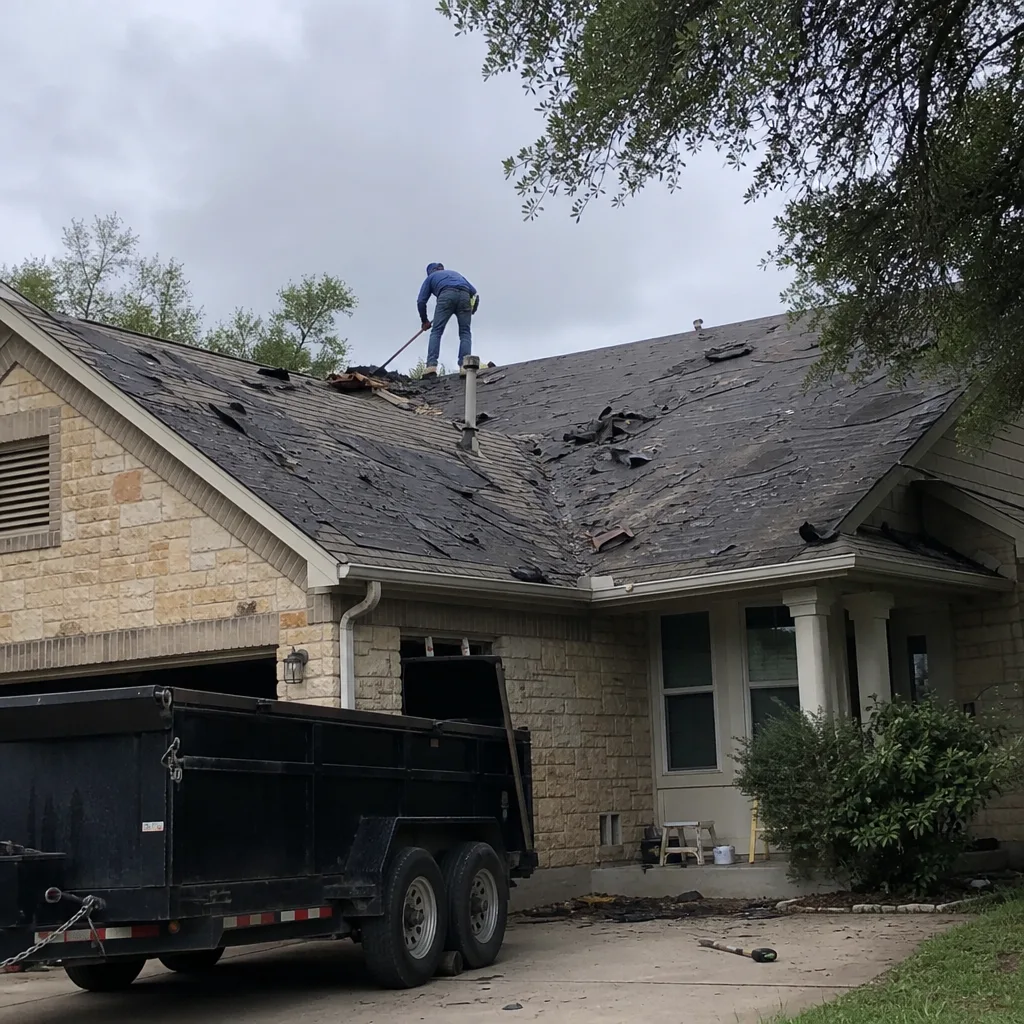 Before
 After
After Before
 After
After Before
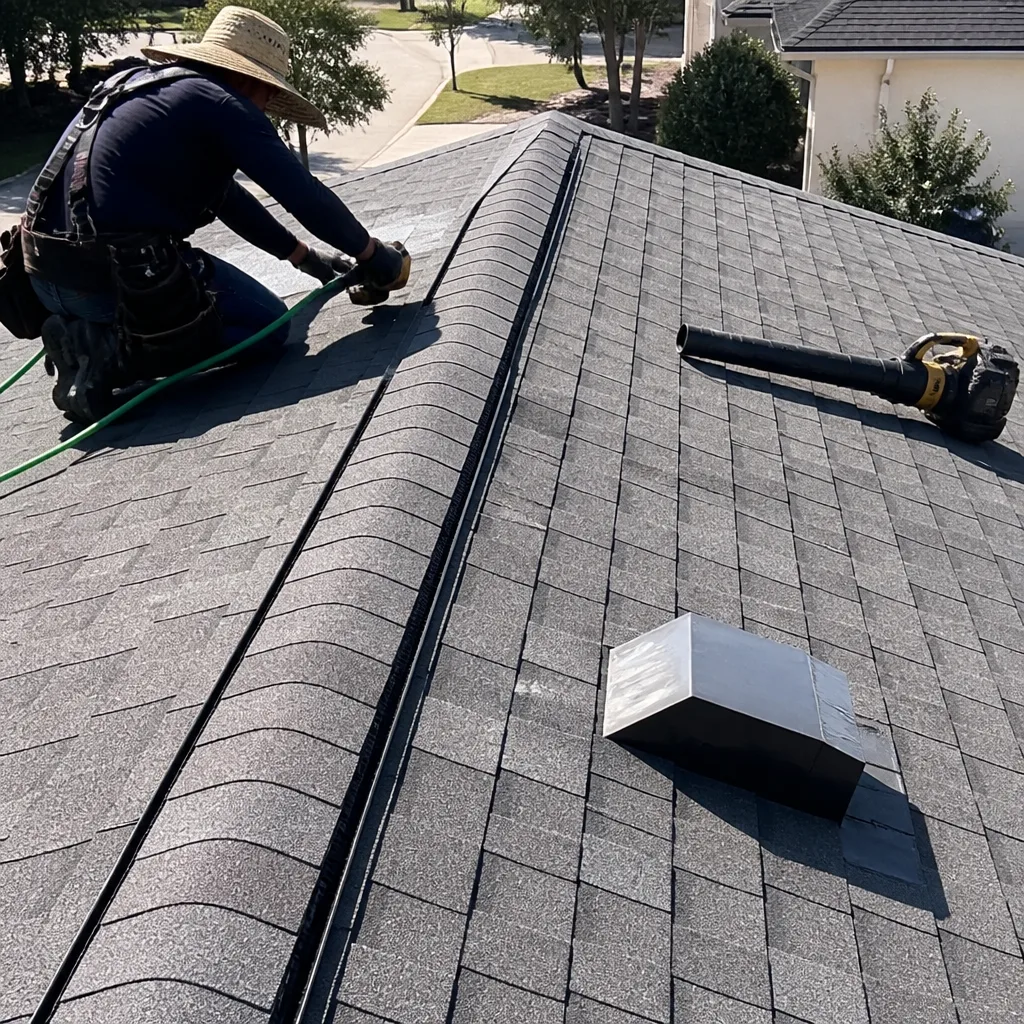 After
After